x

 Oil On CanvasWallArtBaroque
 1682Early Modern
 293.0 x 207.0 cm
Ručně malovaná olejná barva na plátně ve vašem zvoleném rozměru i s rámem, vyrobená našimi umělci na zakázku. ( Koupit tisk Koupit obrázek)





























Vyberte si z našich přednastavených velikostí, které odpovídají původním proporcím díla.

Můžete zadat vlastní rozměry pro konkrétní rám nebo prostor. Pokud se vámi vybraná velikost neshoduje s proporcemi původního obrazu, dílo buď ořízneme, nebo jej doplníme ručně malovanými prvky. Před zahájením výroby vám bude zaslán digitální náhled ke schválení.
Upozorňujeme, že náhled na obrazovce neodpovídá skutečnému ořezu ani rozšíření. Pouze digitální náhled přesně zobrazí finální kompozici.
Ačkoliv je možné zvolit vlastní velikost, pro zachování původních proporcí doporučujeme vybrat rozměr z předdefinovaného seznamu.
Celosvětová doprava () za 3–4 týdny namísto standardních 5 týdnů. (17 srpen). Bez kompromisů v kvalitě.


The Two Trinities
Rozměry reprodukce
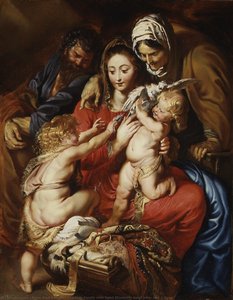
Bartolomé Esteban Murillo's "The Two Trinities," painted in 1682, stands as a pinnacle of Spanish Baroque art. This oil on canvas (measuring 293 x 207 cm) is housed within the National Gallery and exemplifies the era’s dramatic style, rich colors, and profound religious symbolism. The painting depicts a scene centered around the Holy Family – Mary, Jesus, and Joseph – enveloped by celestial figures, creating a powerful visual narrative of faith and divine grace.
The composition is meticulously structured, employing a pyramidal arrangement that draws the viewer's eye towards Christ Child at the apex. Mary kneels in reverent prayer, her gaze fixed upon Jesus, while Joseph stands beside her, offering a gesture of blessing. The background teems with swirling clouds populated by cherubic angels and illuminated by a radiant dove – a potent symbol of the Holy Spirit. This arrangement visually represents the two trinities: the Holy Trinity (God the Father, Jesus Christ, and the Holy Spirit) and the earthly trinity (the Virgin Mary, Jesus, and Saint Joseph). The stepped platform upon which the figures stand elevates their importance, reinforcing the sacred nature of the scene.
Murillo’s style is firmly rooted in the Baroque tradition, characterized by its dramatic use of light and shadow (chiaroscuro) to create a sense of depth and emotional intensity. The lighting emanates from above, highlighting key figures and intensifying the contrasts between light and dark areas. While perspective is somewhat flattened – a common feature of Baroque painting prioritizing emotional impact over strict realism – atmospheric perspective suggests depth through muted colors and less detailed rendering in distant elements. Murillo’s technique showcases smooth brushstrokes and rich pigment layering, typical of oil on canvas paintings. Textures range from the soft folds of drapery to the rougher surfaces of clouds and angels.
Created during a period of intense religious fervor in Spain, "The Two Trinities" reflects the Counter-Reformation’s emphasis on emotional engagement with faith. Murillo's work aimed to inspire devotion through its beauty and accessibility. The painting evokes feelings of serenity, reverence, and awe. It invites viewers to contemplate the divine presence within the human realm, offering a moment of spiritual reflection. Murillo's ability to portray tenderness and grace in religious subjects made him one of the most celebrated painters of his time, and this work remains a testament to his skill and enduring legacy.


1618 - 1682 , Španělsko

Explore the profound elegance of Baroque Classicism. Discover how 17th-century masters synthesized dramatic emotion with classical order through the lens of the Counter-Reformation and the works of legends like Carlo Maratta and Andrea Sacchi.

Explore the profound drama of Spanish Baroque art. Delve into the mastery of light, shadow, and realism through the legendary works of Diego Velázquez and the Spanish Golden Age with our expert-led historical guide.

Explore the dramatic power of Baroque art through an expert guide to light, shadow, and emotion. Discover how the Counter-Reformation shaped 17th-century masterpieces and learn about the profound techniques used by the Old Masters to inspire awe.

Explore the dramatic evolution from Mannerist distortion to Baroque grandeur. Discover how light, shadow, and emotion redefined art history through a masterclass in technical mastery and religious fervor.

Explore the dramatic world of Baroque portraiture. Discover how masters used chiaroscuro and light to evoke profound emotion during the Counter-Reformation. A definitive guide for art enthusiasts seeking to understand the power of 17th-century masterpieces.


Buďte na tahu s nejnovějšími novinkami ze světa umění, exkluzivními nabídkami a inspirativními nápady na dekoraci.
Sdělte nám více o svém projektu a naši odborníci na umění vám připraví 3 personalizované návrhy uměleckých děl.
Nechť pro vás vybereme 3 možnosti – zdarma!


 Náhled
 Sdílet
 Sdílet
 Podrobnosti o díle

 Stáhnout
 Podobné položky
 Rentgenové snímky
 Slideshow
 Zobrazit více







 Skleněná varianta je dostupná pouze u rozměrů menších než 110 cm