x

 Akryl na plátněObrazová tvorba na stěnuPost-Impressionistic Landscape
 1925
1925 53.0 x 68.0 cm
 Pallant House Gallery
Giclée nebo plátěný tisk muzeální kvality s rychlou výrobou a flexibilními možnostmi povrchové úpravy. ( Koupit ručně malovaný obraz Koupit obrázek)





























Vyberte si z našich přednastavených velikostí, které odpovídají původním proporcím díla.

Můžete zadat vlastní rozměry tak, aby výtvor odpovídal konkrétnímu rámu nebo prostoru. Pokud zvolená velikost nebude odpovídat poměru stran původního obrazu, dílo buď ořížeme, nebo obraz rozšíříme pomocí zrcadlového efektu či jednobarevného okraje. Před zahájením výroby vám bude zaslán digitální náhled k schválení.
Mějte prosím na paměti, že náhled na obrazovce neodráží skutečné oříznutí nebo rozšíření. Pouze digitální náhled přesně zobrazí finální kompozici.
Ačkoliv jsou k dispozici i vlastní rozměry, pro zachování původních proporcí doporučujeme vybrat si rozměr z předdefinovaného seznamu.
Celosvětové doručení () do 2 týdnů namísto standardních 4/5 týdnů. (18 srpen)


1925 (landscape)
Rozměry reprodukce
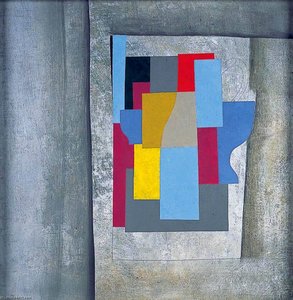
Ben Nicholson OM (1894–1982) stands as one of the most influential figures in British abstract art, a pioneer who championed a radical reimagining of visual experience. His oeuvre transcends mere representation; instead, it seeks to capture the essence of nature—specifically exemplified by “Desert Edge,” painted in 1925 – transforming it into a profound meditation on form and color.
The artwork presents a landscape scene dominated by muted tones and loose brushwork. It depicts an expansive, rolling terrain with scattered rocks and clouds, suggesting a coastal or mountainous region under a cloudy sky. The composition is broadly horizontal, emphasizing the vastness of the space. Immediately noticeable is Nicholson’s masterful use of color—primarily shades of grey, beige, white, and pale brown—creating an atmosphere of quiet contemplation and understated beauty. These hues aren't intended to mimic reality but rather to convey a feeling of serenity and solitude.
Nicholson’s technique – characterized by visible brushstrokes and layering of paint – contributes significantly to the artwork’s textural richness. The impasto surface, particularly prominent in the foreground rocks, lends physicality to the image, inviting viewers to consider not just what is seen but how it feels. This deliberate manipulation of pigment reflects Nicholson's belief that painting should engage all senses, fostering a visceral connection with the subject matter.
Influenced by Cubism and Surrealism, Nicholson’s approach to abstraction wasn’t merely stylistic; it was philosophical. He sought to distill visual experience into its purest form—geometric shapes combined with tonal variations—reflecting a desire to liberate art from descriptive accuracy. “Desert Edge” embodies this ethos perfectly, prioritizing the emotional impact of color and texture over precise depiction.
The painting’s placement within the broader context of Modernism is crucial. Nicholson was part of Unit One, alongside artists like Barbara Hepworth and Stanley Spencer, who actively debated the role of art in society. “Desert Edge” represents a commitment to exploring new artistic languages—a rejection of traditional conventions—and an assertion that beauty could be found beyond representational imagery.
Ultimately, Nicholson’s “Desert Edge” is more than just a landscape painting; it's a testament to the power of abstraction to evoke emotion and contemplation. It invites viewers to consider the fundamental elements of visual perception – color, form, texture – and to appreciate the artist’s ability to transform nature into a source of poetic inspiration.


1894 - 1982 , Spojené království

Explore the profound evolution of Post-Impressionist landscapes. From Van Gogh's emotional brushwork to Cézanne's structural mastery, discover how these visionaries redefined art history through color and form in this expert guide for fine art enthusiasts.

Explore the profound revolution of Post-Impressionism. Delve into the history, techniques, and emotional depth of masters like Van Gogh and Seurat. Discover how to transform your space with museum-quality, hand-painted oil reproductions of these iconic masterpieces.

Delve into the transformative era of Post-Impressionism. From Seurat’s Pointillism to Cézanne’s structure, explore the history behind the masters. Most-Famous-Paintings.com provides museum-grade, hand-painted oil reproductions for the discerning art enthusiast and collector.


Buďte na tahu s nejnovějšími novinkami ze světa umění, exkluzivními nabídkami a inspirativními nápady na dekoraci.
Sdělte nám více o svém projektu a naši odborníci na umění vám připraví 3 personalizované návrhy uměleckých děl.
Nechť pro vás vybereme 3 možnosti – zdarma!


 Náhled
 Sdílet
 Sdílet
 Podrobnosti o díle

 Stáhnout
 Podobné položky
 Rentgenové snímky
 Slideshow
 Zobrazit více







 Skleněná varianta je dostupná pouze u rozměrů menších než 110 cm