x
 Oil On CanvasWallArtBaroque Art
 1680
1680 52.0 x 44.0 cm
 Státní Ermitáž
Koupě vysoce rozlišeného, vylepšeného digitálního obrazu, který je mnohem kvalitnější než online náhled.
Každý soubor je pečlivě připraven našimi odborníky pomocí pokročilých nástrojů a expertní manuální retuše. Zajišťujeme, aby každý obraz disponoval výjimečnou ostrostí, přesnou barevnou věrností a jemnými detaily.
Finální soubor vám bude do 72 hodin zaslán e-mailem, optimalizovaný pro okamžité použití v profesionálním, redakčním i tiskovém prostředí. Nabízíme stejnou kvalitu, které důvěřují špičková designová studia, nakladatelství i galerie.
Stáhněte si soubor ve vysokém rozlišení pro osobní prohlížení, tisk a kreativní projekty. ( Koupit tisk Koupit ručně malovaný obraz)
Když si vyberete Most-Famous-Paintings.com, nezískáváte pouze obrázek – získáváte digitální umělecké dílo s profesionálně vylepšenými detaily, zpracované s precizností a podpořené zárukou za spokojenost. Zde je vše, co vaše objednávka automaticky obsahuje:

Váš digitální obraz ve vysokém rozlišení vám bude zaslán e-mailem do 72 hodin od objednávky – připraven k okamžitému použití.

Vaše umělecké dílo je profesionálně optimalizováno pomocí pokročilých nástrojů umělé inteligence a manuální úpravy, což zajišťuje maximální úroveň detailu, ostrosti a přesnosti barev.

Soubor jste omylem smazali nebo ztratili? Žádný problém – kdykoliv vám ho znovu zašleme zcela zdarma.

Užijte si své umělecké dílo okamžitě bez celních poplatků, daní nebo nákladů na dopravu – digitální stažení je vždy bez daňových povinností.

Pomocí profesionálních nástrojů a správy barev zajišťujeme, aby váš digitální obraz odrážel původní barvy co nejvěrněji.

Pokud nebudete s digitální fotografií spokojeni, provedeme její revizi nebo vám vrátíme 100% během 60 dnů – bez jakýchkoliv dotazů.

Nespokojeni? Získejte plnou částku zpět do 60 dní od přijetí vašeho digitálního souboru – bez jakýchkoliv dotazů.

Koupěte si 3 obrazy, ušetřete 10% - Koupěte si 5, ušetřete 15% - Koupěte si 10+, ušetřete 20%. Ideální pro kreativní projekty, galerie a agentury.
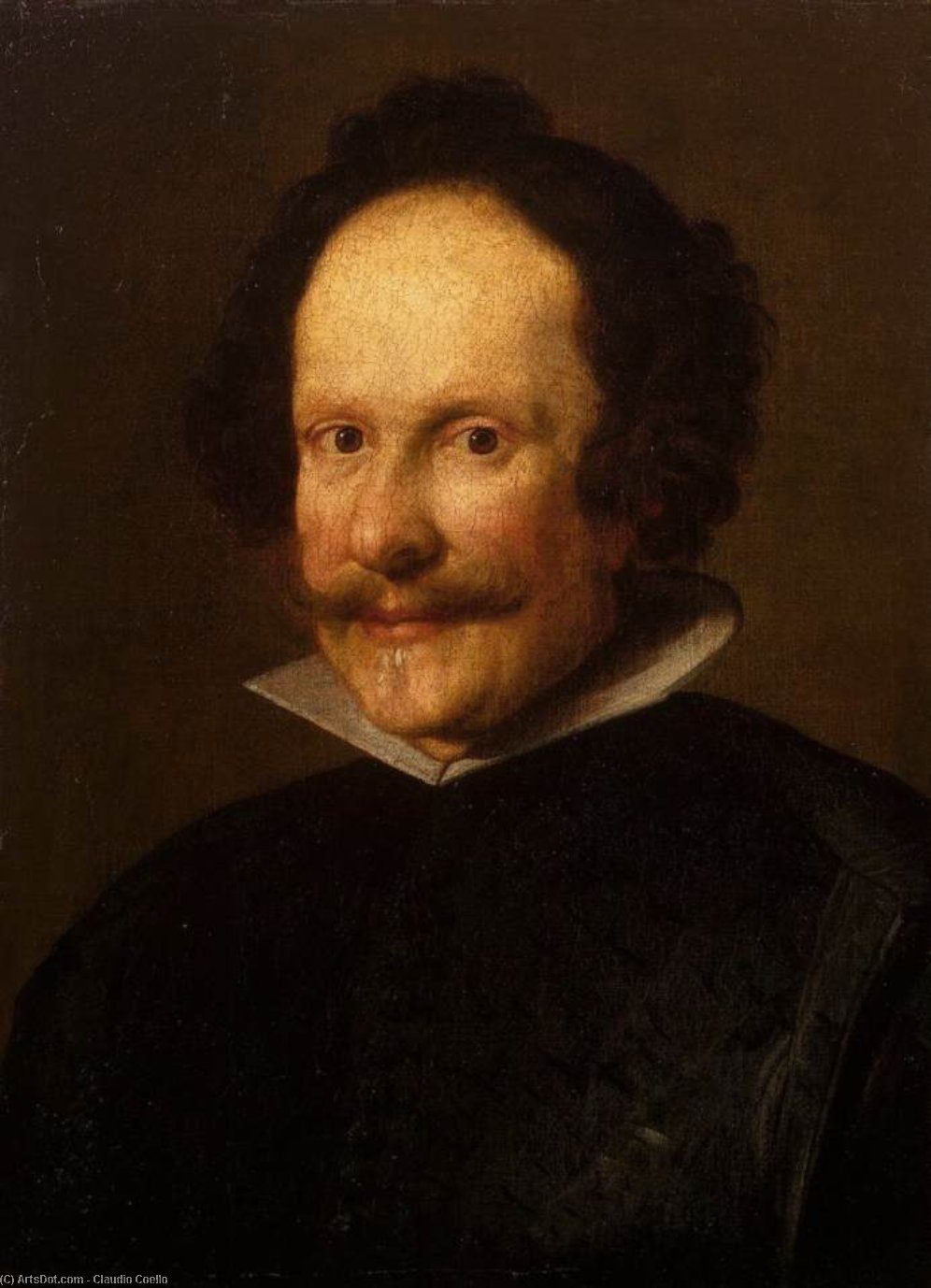
Claudio Coello’s “Self-Portrait,” painted in 1680, stands as a testament to the artistic fervor of the Baroque period and represents one of the most striking examples of self-representation during that era. More than just a likeness of the artist himself, it embodies the ideals of humanist introspection and aristocratic grandeur characteristic of Spanish art under Charles II.
Style and Technique: Coello’s masterful use of chiaroscuro—the dramatic interplay between light and shadow—immediately draws the viewer's eye. The dark background serves to accentuate the luminous flesh tones of his face, creating a palpable sense of depth and dimensionality that transcends mere visual representation. Precise brushstrokes meticulously capture the contours of his features, conveying both physical realism and psychological nuance.
Historical Context: Created during a time of royal patronage and artistic experimentation, Coello’s portrait reflects the broader cultural landscape of Spain in the late 17th century. The Habsburg monarchy actively fostered artistic endeavors, commissioning works that celebrated royal power and piety—a tradition exemplified by the opulent interiors of El Escorial.
Symbolism: The artist's neutral expression, subtly tilted head, and slight smile convey a quiet confidence and contentment – qualities considered desirable in an aristocratic gentleman. These gestures speak to the humanist preoccupation with inner virtue and self-awareness that permeated Baroque art.
Currently housed at The Hermitage museum in St. Petersburg, Russia, “Self-Portrait” is a remarkable survivor of its time. Its journey through history underscores the enduring appeal of artistic masterpieces and their ability to transcend cultural boundaries.
Provenance: Originally part of the royal collection, the painting’s provenance adds to its significance as an emblem of Spanish Baroque art. The Hermitage's acquisition ensures that future generations can appreciate Coello’s skill and contribute to ongoing scholarly research into his oeuvre.
Alongside artists like Anthony Van Dyck and Aert De Gelder, Claudio Coello achieved considerable renown for his self-portraits. Van Dyck's portraits often employed a similar technique of luminous flesh tones against dark backgrounds, emphasizing the sitter’s aristocratic bearing.
Aert De Gelder’s works similarly explored themes of introspection and psychological portraiture, demonstrating that Coello was part of a broader artistic dialogue concerning the representation of the human spirit.
As discussed on Light in painting, the manipulation of light is paramount to creating impactful art—a principle vividly realized in “Self-Portrait.” The artist’s deliberate use of chiaroscuro elevates the image beyond mere depiction, transforming it into a conduit for conveying emotion and intellectual contemplation.
The composition itself—centered on Coello's face—reinforces this effect. It invites viewers to engage with the subject on an emotional level, prompting reflection on themes of identity and self-assurance – core concerns of Baroque art’s humanist vision.
The meticulous attention to detail evident in “Self-Portrait” speaks volumes about Coello's artistic prowess. From the subtle texture of his skin to the precise rendering of his hair, every element contributes to a portrait that captures not only physical likeness but also psychological character.
Furthermore, the painting’s placement within El Escorial—a symbol of royal power and religious devotion—underscores its significance as an artistic monument reflecting the cultural values of its era.


1642 - 1693 , Česko


Buďte na tahu s nejnovějšími novinkami ze světa umění, exkluzivními nabídkami a inspirativními nápady na dekoraci.
Sdělte nám více o svém projektu a naši odborníci na umění vám připraví 3 personalizované návrhy uměleckých děl.
Nechť pro vás vybereme 3 možnosti – zdarma!


 Náhled
 Sdílet
 Sdílet
 Podrobnosti o díle

 Stáhnout
 Podobné položky
 Rentgenové snímky
 Slideshow
 Zobrazit více