


x


 Oil On CanvasWallArtVorticism
 Modern
 152.0 x 224.0 cm
 Tate Britain
Ručně malovaná olejná barva na plátně ve vašem zvoleném rozměru i s rámem, vyrobená našimi umělci na zakázku. ( Přepnout na tisk Přepnout na obrázek)





























Vyberte si z našich přednastavených velikostí, které odpovídají původním proporcím díla.

Můžete zadat vlastní rozměry pro konkrétní rám nebo prostor. Pokud se vámi vybraná velikost neshoduje s proporcemi původního obrazu, dílo buď ořízneme, nebo jej doplníme ručně malovanými prvky. Před zahájením výroby vám bude zaslán digitální náhled ke schválení.
Upozorňujeme, že náhled na obrazovce neodpovídá skutečnému ořezu ani rozšíření. Pouze digitální náhled přesně zobrazí finální kompozici.
Ačkoliv je možné zvolit vlastní velikost, pro zachování původních proporcí doporučujeme vybrat rozměr z předdefinovaného seznamu.
Celosvětová doprava () za 3–4 týdny namísto standardních 5 týdnů. (30 červenec). Bez kompromisů v kvalitě.


The Mud Bath
Rozměry reprodukce
In the realm of early twentieth-century modernism, few works capture the raw, pulsating energy of the machine age quite like David Bomberg’s The Mud Bath. This Vorticist masterpiece serves as a breathtaking exploration of movement, where the boundaries between form and void dissolve into a rhythmic dance of geometry. At first glance, the viewer is met with a controlled chaos—a complex web of interlocking triangles, rectangles, and irregular polygons that seem to vibrate against a muted, earthy backdrop. The composition is anchored by a central vertical axis, reminiscent of a structural pillar or a primordial tree, which acts as a stabilizer for the swirling, angular fragments that orbit it. It is a painting that does not merely sit upon the canvas but seems to actively construct itself before the eyes of the observer.
The color palette of this work is both disciplined and profoundly impactful, utilizing a limited spectrum to achieve maximum visual tension. A dominant, fiery red provides an intense warmth that surges through the composition, while sharp strikes of cobalt blue offer a cooling contrast, adding much-needed depth to the flattened pictorial plane. These primary tones are punctuated by brilliant whites that highlight the edges of the geometric shards, creating a crisp, staccato rhythm. The background, a soft and understated beige, provides a grounding element that prevents the vibrant shapes from feeling untethered, allowing the structural complexity of the work to remain the focal point.
To understand The Mud Bath, one must look toward the radical artistic movements of the post-war era. Bomberg, a prominent figure among the 'Whitechapel Boys,' was deeply immersed in the avant-garde currents of Cubism and Futurism. This specific piece exemplifies the essence of Vorticism—a movement that sought to find the "vortex" at the heart of modern life, capturing the dynamism and mechanical precision of an industrializing world. Unlike the more fluid abstractions found in other movements, Bomberg’s approach here is architectural and structural; he strips away the superficiality of nature to reveal the underlying skeletal energy of the subject matter.
While the title might suggest a literal depiction of a landscape or a natural process, the painting functions primarily as an exploration of pure form. Any connection to the organic—the suggestion of foliage, water, or earth—is purely symbolic, serving as a ghostly echo of reality beneath the heavy layers of abstraction. For the discerning collector or interior designer, this artwork offers more than just visual interest; it provides a sophisticated focal point that commands attention through its historical weight and structural integrity. A high-quality reproduction of this piece brings with it an aura of intellectual depth and a bold, modern aesthetic that can transform a contemporary space into a gallery of profound artistic significance.

David Bomberg se narodil v Birminghamu v polsko-židovské imigrantské rodině Abrahama a Rebeky Bombergové. Svou cestu k umění začal studiem na City and Guilds Technical Art School, než proškoloval jako litograf v Birminghamu.
Pod vedením Waltera Sickerta na Westminster School of Art (1908–1910) nasávl hluboký vliv Sickertova zaměření na formu a městský život. Klíčovým momentem byla jeho konfrontace s dílem Paula Cézanna prostřednictvím výstavy Rogera Frye „Manet a postimpresionisté“ v roce 1910. Následně navštívil Slade School of Art (1911), kde získal prestižní Tonks Prize za svůj portrét spolužáka Isaaca Rosenberga.
Zkušenosti z fronty jako prostý voják během první světové války hluboce zasáhly do jeho umělecké vize a vedly k postupnému odklonu od abstrakce.
V 20. letech se Bomberg začal věnovat figurativnějšímu stylu, zaměřenému na portréty a krajiny čerpané přímo z přírody. Rozvinul si stále více expresivní techniku, která byla definována bohatou texturou impasta a silnou emocionální intenzitou.
Rozsáhlé cesty středním východem (zejména přes Palestinu) a Evropou zásadně ovlivnily jeho pozdější dílo. Jeho zachycení Jeruzaléma patří k jeho nejvýznamnějším přínosům.

1890 - 1957 , Spojené království
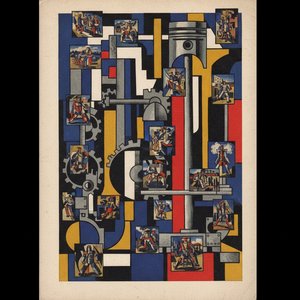
Prozkoumejte 25 ikonických děl Fernanda Légera – průkopníka kubismu a tubismu. Objevte příběhy za obrazy strojového věku, avantgardy a barevné abstrakce. Reprodukce v muzeální kvalitě na Most-Famous-Paintings.cz. Pro inspiraci i luxusní dekorace.
Prozkoumejte 25 ikonických děl Wassily Kandinského – průkopníka abstraktního umění a expresionismu. Objevte příběhy za barevnými kompozicemi, Bauhaus styl a inspirujte se pro váš interiér s reprodukcemi nejvyšší kvality na Most-Famous-Paintings.com.

Prozkoumejte 25 ikonických děl z Metropolitního muzea v New Yorku! Objevte příběhy Van Gogha, Moneta a dalších mistrů. Reprodukce obrazů pro váš interiér na Most-Famous-Paintings.com.
Prozkoumejte 25 ikonických děl z MoMA v New Yorku! Obrazy Van Gogha, Picassa a Warhola ožívají. Inspirace pro moderní dekorace interiéru a luxusní reprodukce umění na Most-Famous-Paintings.com.

Explore the groundbreaking work of David Bomberg, a pivotal figure in British abstraction. Discover his artistic evolution, influences, and lasting legacy through insightful analysis & expert commentary.


Buďte na tahu s nejnovějšími novinkami ze světa umění, exkluzivními nabídkami a inspirativními nápady na dekoraci.
Sdělte nám více o svém projektu a naši odborníci na umění vám připraví 3 personalizované návrhy uměleckých děl.
Nechť pro vás vybereme 3 možnosti – zdarma!


 Náhled
 Sdílet
 Sdílet
 Podrobnosti o díle

 Stáhnout
 Podobné položky
 Rentgenové snímky
 Slideshow
 Zobrazit více







 Skleněná varianta je dostupná pouze u rozměrů menších než 110 cm


