x

 Victorian Realism
 86.0 x 50.0 cm
Giclée nebo plátěný tisk muzeální kvality s rychlou výrobou a flexibilními možnostmi povrchové úpravy. ( Koupit ručně malovaný obraz Koupit obrázek)





























Vyberte si z našich přednastavených velikostí, které odpovídají původním proporcím díla.

Můžete zadat vlastní rozměry tak, aby výtvor odpovídal konkrétnímu rámu nebo prostoru. Pokud zvolená velikost nebude odpovídat poměru stran původního obrazu, dílo buď ořížeme, nebo obraz rozšíříme pomocí zrcadlového efektu či jednobarevného okraje. Před zahájením výroby vám bude zaslán digitální náhled k schválení.
Mějte prosím na paměti, že náhled na obrazovce neodráží skutečné oříznutí nebo rozšíření. Pouze digitální náhled přesně zobrazí finální kompozici.
Ačkoliv jsou k dispozici i vlastní rozměry, pro zachování původních proporcí doporučujeme vybrat si rozměr z předdefinovaného seznamu.
Celosvětové doručení () do 2 týdnů namísto standardních 4/5 týdnů. (18 srpen)


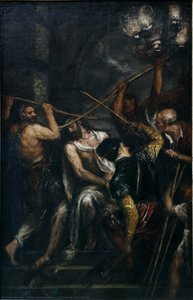
Scottish War The Spear (triptych, left panel)
Rozměry reprodukce

David Scott, a name perhaps less familiar than some of his contemporaries, stands as a pivotal figure in 19th-century British art. Born in Edinburgh in 1806, he wasn’t merely a painter; he was a translator of myth and emotion, a weaver of intricate narratives through the evocative power of color and form. His life, intertwined with intellectual currents and artistic experimentation, culminated in a body of work that continues to resonate with its dramatic intensity and profound symbolic depth. Scott's legacy resides not just in his individual paintings but also in his role as a key contributor to the burgeoning Romantic movement within Scotland.
Scott’s early life was shaped by a unique blend of artistic influence and familial circumstance. Born into a family with roots in engraving – his father, Robert Scott, was a respected professional – he received an education steeped in visual culture from a young age. He attended the prestigious Royal High School in Edinburgh, where he honed his skills in drawing and design. Crucially, his upbringing fostered a deep appreciation for storytelling and allegory, elements that would become central to his artistic vision. His brother, William Bell Scott, also a prominent artist, further enriched this environment, creating a shared creative space and mutual influence.
In 1832, Scott embarked on a transformative journey to Italy – a period that fundamentally altered his artistic trajectory. This sojourn wasn’t simply a vacation; it was an immersive experience designed to ignite his creative spirit. He spent over a year studying the works of Michelangelo and other masters, absorbing their techniques and embracing the dramatic narratives of classical mythology. The Italian light, color palettes, and historical settings profoundly impacted his style, moving him away from the more restrained academic traditions of the time.
Scott’s artistic output is characterized by a remarkable range of subjects – from biblical narratives to historical events and allegorical representations. His most celebrated works often feature complex symbolism, inviting viewers to engage in layers of interpretation. “Vasco de Gama at the Cape of Good Hope” (1842), for example, isn’t merely a depiction of an explorer's encounter; it’s a meditation on courage, faith, and the perils of exploration. Similarly, his illustrations for Coleridge’s *The Rime of the Ancient Mariner* are not simply visual representations of the poem’s story but powerful embodiments of its themes of guilt, redemption, and the interconnectedness of nature.
David Scott’s artistic career was tragically cut short by illness in 1849 at the age of forty-two. Despite his relatively brief life, he left an indelible mark on Scottish art. He played a crucial role in establishing the Edinburgh School of Art, and his work helped to shape the direction of Romantic painting in Scotland. His emphasis on dramatic storytelling, symbolic language, and vibrant color palettes influenced generations of artists who followed. Today, Scott’s paintings are held in major collections across the UK, testament to their enduring beauty and artistic significance. He remains a vital figure in understanding the evolution of British art during a period of profound social and cultural change.

1806 - 1849

Explore the captivating paintings of William Brassey Hole, a Victorian master renowned for his dramatic biblical scenes, Scottish landscapes & industrial life. Discover his technique and lasting legacy.

Explore the captivating portraits of Sir John Watson Gordon, a leading Scottish master. Discover his evolution from neoclassical style to atmospheric Tonalism and influence on 19th-century British art. Learn about his iconic sitters & legacy.

Explore the captivating world of George Paul Chalmers (1833-1878), a pivotal Scottish painter. Discover his landscapes, portraits & connection to the Aesthetic Movement and Colourists. Learn about this 'Angus Rembrandt's' legacy with Most-Famous-Paintings.

Explore the captivating world of Henry Scott Tuke's paintings – a master of British Impressionism renowned for his intimate depictions of youth and sunlit maritime scenes. Discover his legacy & aesthetic influence.

Explore the life & work of Sir David Wilkie, a pivotal figure in Victorian genre painting. Discover his narrative detail, social commentary, and lasting influence on 19th-century British art. Learn more at Most-Famous-Paintings.


Buďte na tahu s nejnovějšími novinkami ze světa umění, exkluzivními nabídkami a inspirativními nápady na dekoraci.
Sdělte nám více o svém projektu a naši odborníci na umění vám připraví 3 personalizované návrhy uměleckých děl.
Nechť pro vás vybereme 3 možnosti – zdarma!


 Náhled
 Sdílet
 Sdílet
 Podrobnosti o díle

 Stáhnout
 Podobné položky
 Rentgenové snímky
 Slideshow
 Zobrazit více







 Skleněná varianta je dostupná pouze u rozměrů menších než 110 cm