x

 Koupit tisk Koupit digitální obrázek
 Sdílet
 Podrobnosti o díle
 Přidat do oblíbených
 Stáhnout
 Podobné položky
 Rentgenové snímky
 Slideshow
 DigitalDigitalPop Art
 2008
2008 84.0 x 80.0 cm
 Mathaf: Arabské muzeum moderního umění
Ručně malovaná olejná barva na plátně ve vašem zvoleném rozměru i s rámem, vyrobená našimi umělci na zakázku.
Vyberte si z našich přednastavených velikostí, které odpovídají původním proporcím díla.

Můžete zadat vlastní rozměry pro konkrétní rám nebo prostor. Pokud se vámi vybraná velikost neshoduje s proporcemi původního obrazu, dílo buď ořízneme, nebo jej doplníme ručně malovanými prvky. Před zahájením výroby vám bude zaslán digitální náhled ke schválení.
Upozorňujeme, že náhled na obrazovce neodpovídá skutečnému ořezu ani rozšíření. Pouze digitální náhled přesně zobrazí finální kompozici.
Ačkoliv je možné zvolit vlastní velikost, pro zachování původních proporcí doporučujeme vybrat rozměr z předdefinovaného seznamu.
Celosvětová doprava () za 3–4 týdny namísto standardních 5 týdnů. (18 červenec). Bez kompromisů v kvalitě.


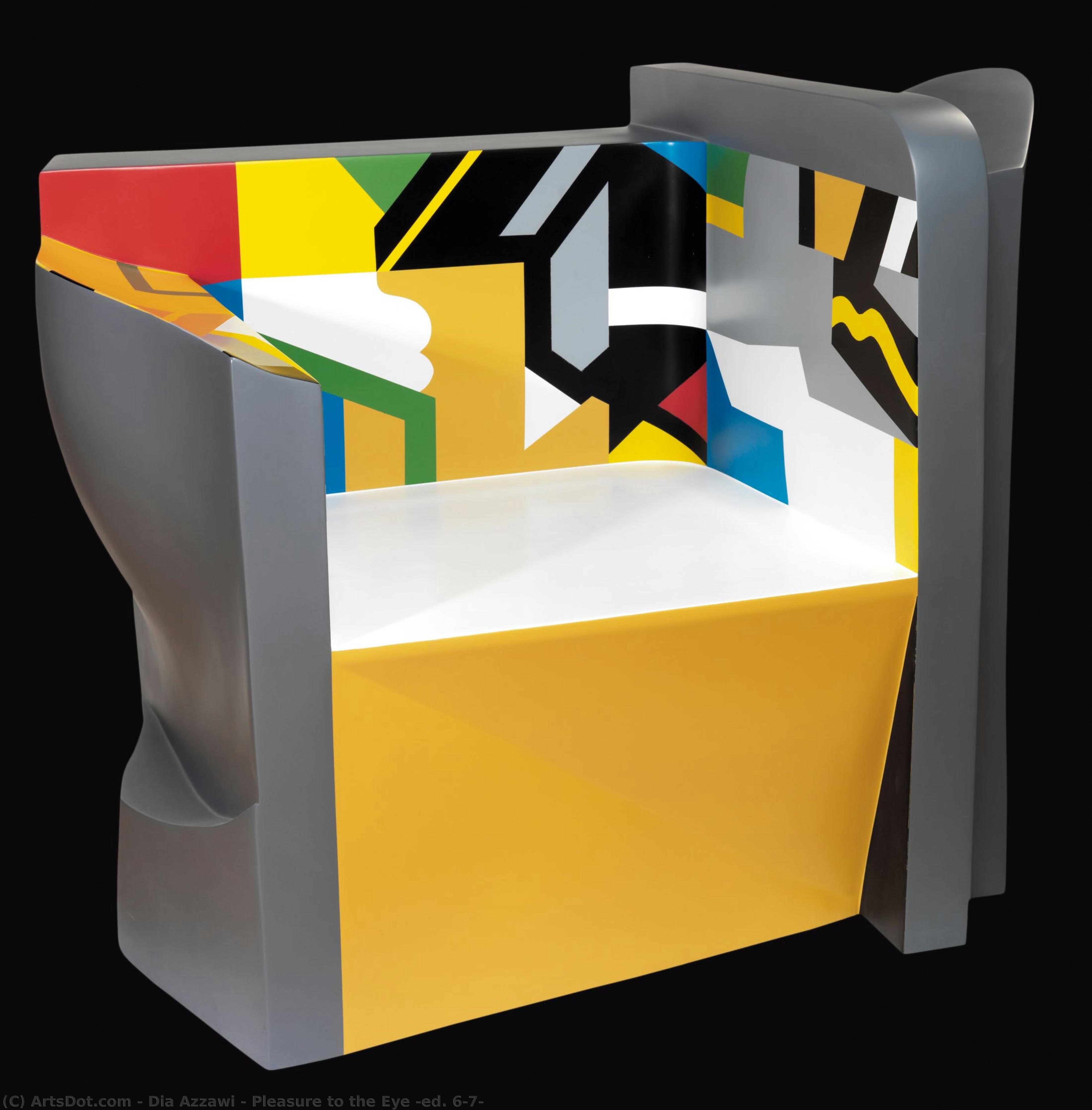
Pleasure to the Eye (ed. 6/7)
Rozměry reprodukce
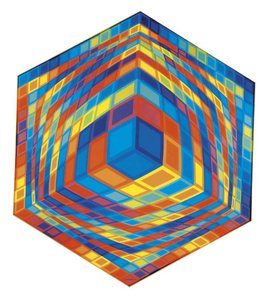
Dia al-Azzawi's "Pleasure to the Eye," created in 2008, isn’t merely a depiction of a file folder; it’s an arresting meditation on information overload and the fragmented nature of modern experience. This digital painting, rendered in bold geometric shapes and a striking color palette, immediately commands attention with its dynamic composition – a seemingly chaotic arrangement that belies a carefully considered structure. The artwork's power lies not in realistic representation but in its evocative abstraction, inviting viewers to contemplate the visual language of data and the complexities of contemporary life.
The piece’s foundation is undeniably Pop Art, drawing influence from artists like Andy Warhol with its embrace of vibrant color blocking and simplified forms. However, al-Azzawi elevates this style through a distinctly geometric sensibility, reminiscent of Constructivism and Minimalism. The dominant shapes – squares, rectangles, and triangles – are meticulously placed, creating a sense of controlled chaos that mirrors the overwhelming flow of information in our digital age. The stark black background serves to amplify these colors, pushing them forward and emphasizing their sharp edges, contributing to an overall feeling of intensity.
Understanding “Pleasure to the Eye” requires acknowledging Dia al-Azzawi's profound connection to his Iraqi heritage. Born in Baghdad in 1939, al-Azzawi’s life and work are inextricably linked to the turbulent history of his homeland – a nation grappling with political upheaval, cultural shifts, and the echoes of ancient civilizations. His early exposure to Mesopotamian ruins and Arabic calligraphy instilled within him a deep appreciation for symbolism and narrative, elements that permeate his entire oeuvre. As documented in biographical accounts, al-Azzawi’s artistic journey was shaped by experiences witnessing war and conflict, leading him to use art as a voice for the silenced – a mission powerfully reflected in this work.
His involvement with groups like the New Vision movement, founded in 1968, further solidified his commitment to challenging conventional artistic norms. This group sought to fuse traditional Arab aesthetics with contemporary expression, reflecting a desire to preserve cultural identity while embracing innovation. Al-Azzawi’s work embodies this spirit, blending geometric abstraction with references to Iraqi folklore and history – subtly hinting at the rich tapestry of his cultural roots.
The deliberate use of form is central to the artwork's impact. The file folder itself, a ubiquitous symbol of organization and information management, is deconstructed into its fundamental geometric components. This fragmentation suggests not just the act of storing data but also the process of breaking down complex ideas into digestible fragments – a metaphor for the way we navigate the digital world. The bold color palette—a vibrant mix of yellows, blues, reds, and greens—adds to this sense of dynamism and energy. These colors aren’t merely decorative; they evoke associations with communication, technology, and perhaps even the intensity of human emotion.
Furthermore, the angular lines that define the folder's surfaces contribute to a feeling of tension and movement. They suggest a relentless flow of information, mirroring the constant stream of data we encounter daily. While overtly abstract, “Pleasure to the Eye” invites viewers to interpret its symbolism – prompting questions about the nature of knowledge, the challenges of communication, and the impact of technology on our perception of reality.
Created in 2008, “Pleasure to the Eye” possesses a remarkable prescience. In an era defined by ubiquitous digital devices and constant connectivity, al-Azzawi's exploration of information overload feels strikingly relevant today. The artwork serves as a potent reminder of the potential for sensory overload and the importance of mindful engagement with the world around us. Its bold aesthetic and layered symbolism continue to resonate with viewers seeking to understand the complexities of contemporary life – making it a compelling piece for collectors, interior designers, and anyone interested in the intersection of art, technology, and culture.


1939 - , Irak

Prozkoumejte 25 ikonických děl z Metropolitního muzea v New Yorku! Objevte příběhy Van Gogha, Moneta a dalších mistrů. Reprodukce obrazů pro váš interiér na Most-Famous-Paintings.com.
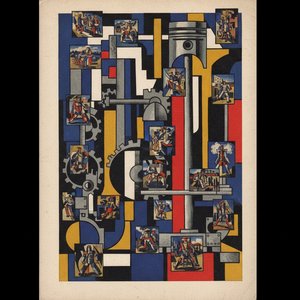
Prozkoumejte 25 ikonických děl Fernanda Légera – průkopníka kubismu a tubismu. Objevte příběhy za obrazy strojového věku, avantgardy a barevné abstrakce. Reprodukce v muzeální kvalitě na Most-Famous-Paintings.cz. Pro inspiraci i luxusní dekorace.
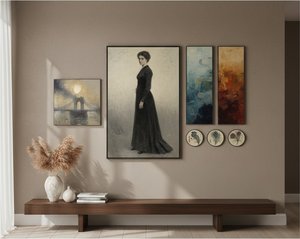
Prozkoumejte 25 ikonických děl Jamese Abbotta McNeilla Whistlera! Obrazy Nocturnes, portréty a estetismus. Inspirace pro interiér s uměleckými reprodukcemi nejvyšší kvality na Most-Famous-Paintings.com. Objevte celou kolekci online.
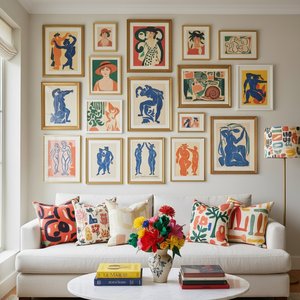
Prozkoumejte 25 ikonických děl Henri Matisse – mistra barev a fauvismu. Objevte příběhy za slavnými obrazy, techniky a inspiraci pro váš interiér. Reprodukce obrazů nejvyšší kvality na Most-Famous-Paintings.com.
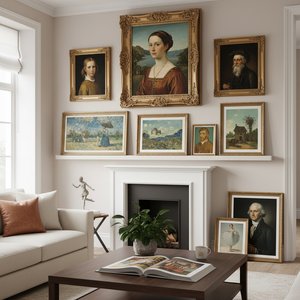
Objevte 25 ikonických děl Národní galerie umění ve Washingtonu! Prozkoumejte příběhy Cézanna, Matisse a Picassa. Inspirace pro váš interiér s reprodukcemi obrazů nejvyšší kvality na Most-Famous-Paintings.com.


Buďte na tahu s nejnovějšími novinkami ze světa umění, exkluzivními nabídkami a inspirativními nápady na dekoraci.
Sdělte nám více o svém projektu a naši odborníci na umění vám připraví 3 personalizované návrhy uměleckých děl.
Nechť pro vás vybereme 3 možnosti – zdarma!


 Sdílet

 Zobrazit více




































 Skleněná varianta je dostupná pouze u rozměrů menších než 110 cm