


x

Giclée nebo plátěný tisk muzeální kvality s rychlou výrobou a flexibilními možnostmi povrchové úpravy. ( Koupit ručně malovaný obraz Koupit obrázek)





























Vyberte si z našich přednastavených velikostí, které odpovídají původním proporcím díla.

Můžete zadat vlastní rozměry tak, aby výtvor odpovídal konkrétnímu rámu nebo prostoru. Pokud zvolená velikost nebude odpovídat poměru stran původního obrazu, dílo buď ořížeme, nebo obraz rozšíříme pomocí zrcadlového efektu či jednobarevného okraje. Před zahájením výroby vám bude zaslán digitální náhled k schválení.
Mějte prosím na paměti, že náhled na obrazovce neodráží skutečné oříznutí nebo rozšíření. Pouze digitální náhled přesně zobrazí finální kompozici.
Ačkoliv jsou k dispozici i vlastní rozměry, pro zachování původních proporcí doporučujeme vybrat si rozměr z předdefinovaného seznamu.
Celosvětové doručení () do 2 týdnů namísto standardních 4/5 týdnů. (22 srpen)


Stepsin Paris
Rozměry reprodukce
Edward Hopper’s "Steps in Paris," painted in 1906, is far more than a mere depiction of an architectural element; it is a masterful distillation of the anxieties and aspirations inherent in the early 20th-century consciousness. Executed in oil on wood—a medium favored by the artist for its unique ability to capture subtle tonal variations—the painting embodies a signature style where stark realism is infused with an almost palpable sense of solitude. Upon first encounter, the viewer is drawn into a meticulously crafted scene, dominated by muted, earthy hues and punctuated by the assertive red railing that bisects the composition diagonally, acting as both a visual guide and a sharp emotional accent.
The staircase itself serves as a profound visual anchor, guiding the eye upward through the frame while simultaneously emphasizing the heavy emptiness surrounding it. Hopper utilizes light—emanating from an unseen source—to sculpt the forms within the painting, highlighting the contours of the stone steps and casting long, melancholic shadows that deepen the sense of stillness. The presence of two figures adds a layer of narrative tension: a man positioned near the top gazing out of a window, representing an individual adrift in the bustling city, and another figure descending the stairs, offering a fleeting glimpse of companionship that is ultimately overshadowed by the pervasive atmosphere of isolation.
Hopper’s technical prowess is evident in his precise brushstrokes and careful blending, which create textures that feel both tactile and luminous. While the painting leans into the traditions of New Realism, it transcends simple documentation through its atmospheric suggestion. The palette, dominated by browns, grays, and the striking red of the railing, contributes to an overall mood of quiet contemplation. This careful manipulation of color and light allows the artwork to function as a window into a psychological landscape, where the physical structure of the Parisian stairs becomes a metaphor for the transitions and thresholds of human life.
For the discerning collector or interior designer, this piece offers a sophisticated focal point that brings a sense of timelessness and intellectual depth to any space. The composition’s balance between movement—suggested by the diagonal railing and the descending figure—and profound stillness makes it an ideal selection for environments seeking to evoke introspection. Whether placed in a modern gallery setting or a classic study, "Steps in Paris" commands attention through its ability to tell a story without words, inviting viewers to linger within its shadows and find beauty in the quiet moments of urban existence.


1931 - 1967 , Spojené státy americké
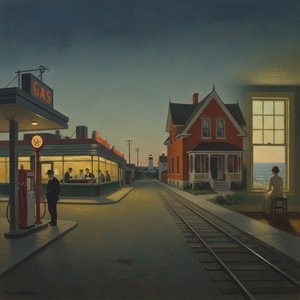
Prozkoumejte top 25 děl Edwarda Hoppera, mistra amerického realismu. Objevte příběhy za ikonickými obrazy plnými samoty a atmosféry. Reprodukce obrazů v nejvyšší kvalitě na Most-Famous-Paintings.com.
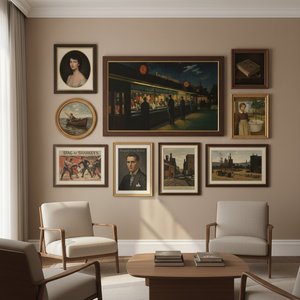
Prozkoumejte 10 ikonických děl amerického realismu od Hopperů po Wyetha. Obrazy plné života, emocí a autenticity. Najděte inspiraci pro váš interiér s uměleckými reprodukcemi nejvyšší kvality na Most-Famous-Paintings.com

Explore the profound beauty of American Realism. From the Ashcan School's urban grit to intimate portraits, discover how artists captured the authentic soul of a nation through unvarnished truth and masterful observation.

Explore the powerful social commentary & artistic representation of American Realism. Discover key artists like Bellows & Sloan, and understand the movement's lasting impact on 20th-century art history.

Explore the life & legacy of Robert Henri, a pivotal figure in American Realism. Discover his captivating portraits, influence on the Ashcan School, and enduring impact on art history. Learn more at Most-Famous-Paintings.


Buďte na tahu s nejnovějšími novinkami ze světa umění, exkluzivními nabídkami a inspirativními nápady na dekoraci.
Sdělte nám více o svém projektu a naši odborníci na umění vám připraví 3 personalizované návrhy uměleckých děl.
Nechť pro vás vybereme 3 možnosti – zdarma!


 Náhled
 Sdílet
 Sdílet
 Podrobnosti o díle

 Stáhnout
 Podobné položky
 Rentgenové snímky
 Slideshow

 Zobrazit více







 Skleněná varianta je dostupná pouze u rozměrů menších než 110 cm


