x

Ručně malovaná olejná barva na plátně ve vašem zvoleném rozměru i s rámem, vyrobená našimi umělci na zakázku. ( Koupit tisk Koupit obrázek)





























Vyberte si z našich přednastavených velikostí, které odpovídají původním proporcím díla.

Můžete zadat vlastní rozměry pro konkrétní rám nebo prostor. Pokud se vámi vybraná velikost neshoduje s proporcemi původního obrazu, dílo buď ořízneme, nebo jej doplníme ručně malovanými prvky. Před zahájením výroby vám bude zaslán digitální náhled ke schválení.
Upozorňujeme, že náhled na obrazovce neodpovídá skutečnému ořezu ani rozšíření. Pouze digitální náhled přesně zobrazí finální kompozici.
Ačkoliv je možné zvolit vlastní velikost, pro zachování původních proporcí doporučujeme vybrat rozměr z předdefinovaného seznamu.
Celosvětová doprava () za 3–4 týdny namísto standardních 5 týdnů. (13 srpen). Bez kompromisů v kvalitě.


the city
Rozměry reprodukce
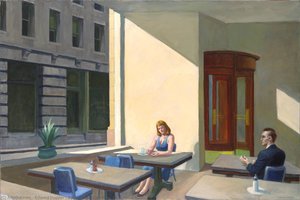
The City, painted by Edward Hopper in 1927, is a striking black and white depiction of early 20th-century American urban life. This artwork isn't merely a representation of buildings and streets; it’s an evocative exploration of solitude within the bustling metropolis.
The painting presents a typical city street, dominated by imposing structures that stretch upwards. Numerous windows suggest countless lives unfolding behind closed doors, yet remain largely anonymous and unknowable. Hopper populates the scene with a few pedestrians – figures absorbed in their own worlds, walking with heads down or lost in thought. A casually leaning bicycle and a stoic fire hydrant punctuate the streetscape, while a clock subtly emphasizes the relentless passage of time.
The City exemplifies Hopper’s signature style – American Realism imbued with profound emotional depth. His masterful use of stark black and white creates a dramatic, almost cinematic effect. The absence of color intensifies the sense of isolation and quiet contemplation. Hopper's precise rendering of architectural details—windows, clocks, fire hydrants—demonstrates meticulous observation. He wasn’t simply recording what he saw; he was distilling it to its essence, revealing psychological truths about modern urban existence.
Created during a period of rapid urbanization and social change in the United States, The City reflects a growing sense of alienation within burgeoning metropolises. Hopper was influenced by writers like Ralph Waldo Emerson, whose transcendentalist ideals explored individualism and introspection. He also drew inspiration from French Impressionists such as Manet and Degas, particularly their ability to capture fleeting moments of modern life with honesty.
The painting’s power lies in its subtle symbolism. The towering buildings represent the overwhelming scale of urban life, while the solitary figures embody a sense of anonymity and disconnection. The clock serves as a constant reminder of time's relentless march, adding to the feeling of transience and perhaps even anxiety. The City evokes nostalgia for a bygone era but also acknowledges the inherent loneliness that can accompany modern existence. It’s a work that invites quiet contemplation on the human condition.
This striking artwork would be a captivating addition to various interior settings:
To best showcase The City, consider displaying it in a well-lit space with ample wall area. A simple, neutral frame will enhance its impact without distracting from Hopper’s masterful composition. Its monochromatic palette makes it exceptionally versatile for pairing with various color schemes.
To gain a deeper understanding of Hopper’s artistic vision, explore other works that share similar themes of urban life and isolation, such as Office in a Small City, City Roofs, August in the City, and Approaching the City. These pieces offer further insight into his unique perspective on American modernity.


1931 - 1967 , Spojené státy americké

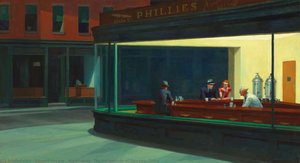
Explore the profound world of Edward Hopper's American realism. Discover the symbolism, themes & enduring legacy of this iconic artist – from 'Nighthawks' to his lesser-known masterpieces. Expert analysis and insights.

Explore the captivating world of Abbott Handerson Thayer, a pioneer of American realism & Symbolism. Discover his ethereal angel paintings, innovative techniques, and lasting influence on art history. Learn about his scientific pursuits & Transcendentalist spirit.

Explore the captivating world of realism in art history! Discover iconic street scenes & genre paintings from masters like Courbet & Brown. Expert analysis & museum-quality reproductions at Most-Famous-Paintings.

Explore the life & art of Edward Seago, a celebrated British Impressionist painter known for evocative landscapes & seascapes. Discover his captivating works and find high-quality reproductions at Most-Famous-Paintings.
Prozkoumejte 10 nejslavnějších obrazů ovládaných odstíny černé. Objevte příběhy za uměleckými díly, techniky a inspiraci ikonických mistrů. Reprodukce obrazů s Most-Famous-Paintings – luxusní dekorace pro váš domov. Prohlédněte si celou kolekci online!


Buďte na tahu s nejnovějšími novinkami ze světa umění, exkluzivními nabídkami a inspirativními nápady na dekoraci.
Sdělte nám více o svém projektu a naši odborníci na umění vám připraví 3 personalizované návrhy uměleckých děl.
Nechť pro vás vybereme 3 možnosti – zdarma!


 Náhled
 Sdílet
 Sdílet
 Podrobnosti o díle

 Stáhnout
 Podobné položky
 Rentgenové snímky
 Slideshow

 Zobrazit více







 Skleněná varianta je dostupná pouze u rozměrů menších než 110 cm