x

Ručně malovaná olejná barva na plátně ve vašem zvoleném rozměru i s rámem, vyrobená našimi umělci na zakázku. ( Koupit tisk Koupit obrázek)





























Vyberte si z našich přednastavených velikostí, které odpovídají původním proporcím díla.

Můžete zadat vlastní rozměry pro konkrétní rám nebo prostor. Pokud se vámi vybraná velikost neshoduje s proporcemi původního obrazu, dílo buď ořízneme, nebo jej doplníme ručně malovanými prvky. Před zahájením výroby vám bude zaslán digitální náhled ke schválení.
Upozorňujeme, že náhled na obrazovce neodpovídá skutečnému ořezu ani rozšíření. Pouze digitální náhled přesně zobrazí finální kompozici.
Ačkoliv je možné zvolit vlastní velikost, pro zachování původních proporcí doporučujeme vybrat rozměr z předdefinovaného seznamu.
Celosvětová doprava () za 3–4 týdny namísto standardních 5 týdnů. (18 srpen). Bez kompromisů v kvalitě.


untitled (9919)
Rozměry reprodukce
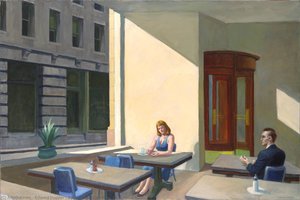
Edward Hopper's "Untitled (9919)," painted in 1942, isn’t merely a depiction of a vintage automobile and its occupant; it’s a distilled essence of American loneliness, a poignant snapshot of urban isolation rendered with remarkable precision and evocative light. The painting immediately draws the viewer into a scene of quiet contemplation, a moment suspended between the mundane and the melancholic. Hopper masterfully utilizes the geometry of the car's interior – the sharply defined dashboard, the prominent steering wheel, the angled windows – to create a sense of contained space, mirroring perhaps the internal landscape of the figure within.
The color palette is deliberately restrained, dominated by warm browns and yellows that suggest the aged leather and worn surfaces of the vehicle. These earthy tones are contrasted with the cool blues and greens of the exterior landscape, creating a subtle tension between the interior world of the driver and the anonymous city beyond. Hopper’s signature use of light – a diffused, almost artificial glow emanating from an unseen source – casts long shadows and highlights textures, lending the scene a palpable sense of depth and realism. It's not a vibrant, celebratory illumination; rather, it feels like the muted light of a late-night street, casting a contemplative mood.
Hopper was a pivotal figure in American Realism, moving beyond mere representation to capture the emotional and psychological complexities of everyday life. He wasn't interested in grand narratives or heroic figures; instead, he focused on the quiet moments, the unspoken anxieties, and the subtle gestures that define the human experience. His meticulous attention to detail – from the wrinkles around the driver’s eyes to the worn fabric of the seat – speaks volumes about his commitment to authenticity. Hopper's technique involved layering thin washes of paint, building up color gradually to create a luminous effect and capturing the nuances of light and shadow with astonishing accuracy.
Born in Nyack, New York, in 1882, Hopper’s early life instilled a deep appreciation for observation and detail. His artistic journey began with commercial illustration but quickly evolved into a profound exploration of American identity. His work often reflects the isolation and alienation prevalent in modern urban environments – themes that resonated deeply during the tumultuous years leading up to and including World War II. The painting’s composition, with its solitary figure seemingly lost in thought, powerfully embodies this sense of detachment.
The driver's posture—leaning slightly forward, absorbed in a book or document—suggests a retreat from the outside world, a desire for solitude. The open window offers a glimpse of a darkened landscape, hinting at an unseen city teeming with life yet inaccessible to the figure within. There’s a subtle tension between observation and detachment; the driver is present but not truly engaged. This ambiguity is central to the painting's enduring appeal.
"Untitled (9919)" isn’t simply a portrait of a man in a car; it’s a meditation on loneliness, contemplation, and the quiet rhythms of modern life. It invites viewers to contemplate their own experiences of isolation and the search for meaning in an increasingly complex world. Hopper's ability to capture such profound emotions with such understated elegance solidifies his place as one of America’s most enduring artists.


1931 - 1967 , Spojené státy americké

Explore the profound history of American Regionalism. Discover how Grant Wood captured the heart of the Midwest through masterpieces like American Gothic. An expert guide to the movement, its cultural impact, and the enduring beauty of American Realism.

Explore the raw, evocative beauty of the Ashcan School. Discover how masters like Bellows and Glackens captured New York's urban soul through American Realism, and learn to bring this gritty, historical elegance into your modern art collection.


Buďte na tahu s nejnovějšími novinkami ze světa umění, exkluzivními nabídkami a inspirativními nápady na dekoraci.
Sdělte nám více o svém projektu a naši odborníci na umění vám připraví 3 personalizované návrhy uměleckých děl.
Nechť pro vás vybereme 3 možnosti – zdarma!


 Náhled
 Sdílet
 Sdílet
 Podrobnosti o díle

 Stáhnout
 Podobné položky
 Rentgenové snímky
 Slideshow
 Zobrazit více







 Skleněná varianta je dostupná pouze u rozměrů menších než 110 cm