x

Ručně malovaná olejná barva na plátně ve vašem zvoleném rozměru i s rámem, vyrobená našimi umělci na zakázku. ( Koupit tisk Koupit obrázek)





























Vyberte si z našich přednastavených velikostí, které odpovídají původním proporcím díla.

Můžete zadat vlastní rozměry pro konkrétní rám nebo prostor. Pokud se vámi vybraná velikost neshoduje s proporcemi původního obrazu, dílo buď ořízneme, nebo jej doplníme ručně malovanými prvky. Před zahájením výroby vám bude zaslán digitální náhled ke schválení.
Upozorňujeme, že náhled na obrazovce neodpovídá skutečnému ořezu ani rozšíření. Pouze digitální náhled přesně zobrazí finální kompozici.
Ačkoliv je možné zvolit vlastní velikost, pro zachování původních proporcí doporučujeme vybrat rozměr z předdefinovaného seznamu.
Celosvětová doprava () za 3–4 týdny namísto standardních 5 týdnů. (18 srpen). Bez kompromisů v kvalitě.


Bare Tree behind a Fence
Rozměry reprodukce
Egon Schiele’s *Bare Tree Behind a Fence*, created in 1912, stands as a cornerstone of Expressionist art—a haunting testament to the artist's profound engagement with psychological turmoil and existential dread. More than just a landscape depiction, it embodies Schiele’s distinctive visual language, characterized by angular lines, muted colors, and an unsettling intimacy that draws viewers into the artist’s inner world.
Schiele's mastery of Expressionism is immediately apparent in *Bare Tree Behind a Fence*. His brushstrokes are forceful, agitated, conveying an overwhelming sense of emotion. The artist eschewed meticulous realism, prioritizing instead the conveyance of subjective experience—the artist’s inner state—over objective representation. Thick impasto creates textural richness and emphasizes the physicality of the painting, mirroring Schiele's preoccupation with the human body.
1912 marks a pivotal moment in art history—the ascendancy of Expressionism as a dominant artistic movement across Europe. Artists like Schiele were actively challenging conventions, rejecting academic traditions and exploring new avenues for conveying emotion and psychological complexity. *Bare Tree Behind a Fence* reflects the broader intellectual climate of the time, marked by anxieties about modernity and a fascination with the darker aspects of human experience.
“The Expressionists sought to depict not what they saw but what they felt,” wrote art historian Norbert Franzke. “They aimed to express inner turmoil and psychological states—often confronting themes of death, sexuality, and suffering—rather than simply reproducing the external world.”*Bare Tree Behind a Fence* continues to resonate with audiences today because it speaks to universal human concerns about vulnerability, loss, and the confrontation with mortality. Schiele’s uncompromising artistic vision remains influential, inspiring artists who strive for authenticity and emotional depth. Reproductions of this iconic artwork offer an opportunity to experience Schiele's profound aesthetic sensibility—a reminder that art can illuminate the complexities of the human psyche.

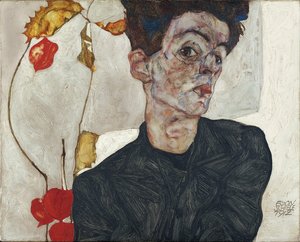
1890 - 1918 , Rakousko

Explore the profound history of landscape masterpieces. From the Barbizon School to Monet's Impressionism, discover how timeless natural scenes bring serenity and prestige to your collection through museum-quality, hand-painted oil reproductions.


Buďte na tahu s nejnovějšími novinkami ze světa umění, exkluzivními nabídkami a inspirativními nápady na dekoraci.
Sdělte nám více o svém projektu a naši odborníci na umění vám připraví 3 personalizované návrhy uměleckých děl.
Nechť pro vás vybereme 3 možnosti – zdarma!


 Náhled
 Sdílet
 Sdílet
 Podrobnosti o díle

 Stáhnout
 Podobné položky
 Rentgenové snímky
 Slideshow

 Zobrazit více







 Skleněná varianta je dostupná pouze u rozměrů menších než 110 cm