x

Ručně malovaná olejná barva na plátně ve vašem zvoleném rozměru i s rámem, vyrobená našimi umělci na zakázku. ( Koupit tisk Koupit obrázek)





























Vyberte si z našich přednastavených velikostí, které odpovídají původním proporcím díla.

Můžete zadat vlastní rozměry pro konkrétní rám nebo prostor. Pokud se vámi vybraná velikost neshoduje s proporcemi původního obrazu, dílo buď ořízneme, nebo jej doplníme ručně malovanými prvky. Před zahájením výroby vám bude zaslán digitální náhled ke schválení.
Upozorňujeme, že náhled na obrazovce neodpovídá skutečnému ořezu ani rozšíření. Pouze digitální náhled přesně zobrazí finální kompozici.
Ačkoliv je možné zvolit vlastní velikost, pro zachování původních proporcí doporučujeme vybrat rozměr z předdefinovaného seznamu.
Celosvětová doprava () za 3–4 týdny namísto standardních 5 týdnů. (20 srpen). Bez kompromisů v kvalitě.


green stockings
Rozměry reprodukce
Egon Schiele's "Green Stockings," painted in 1914, isn’t merely a depiction of a woman in a white dress and vibrant green stockings; it’s a raw, unflinching exploration of the human psyche – a window into the artist’s own turbulent inner world. This oil on canvas work, now residing within the Leopold Museum in Vienna, exemplifies the core tenets of Expressionism, utilizing bold color, distorted forms, and an intensely emotional palette to convey a sense of profound unease and vulnerability. Schiele, born in Tulln an der Donau, Austria, in 1890 – a region steeped in artistic tradition yet shadowed by personal tragedy – channeled his experiences into every brushstroke, creating images that resonate with a haunting intensity.
The painting immediately draws the eye to the striking contrast of the woman’s white dress against the assertive green of her stockings. This deliberate juxtaposition isn't simply decorative; it speaks to a complex interplay of innocence and transgression, restraint and suppressed desire. Schiele’s technique is characterized by rapid, almost frantic brushstrokes, particularly evident in the rendering of the figure’s body. The lines are not smooth or idealized, but rather jagged and fragmented, mirroring the emotional turmoil he sought to capture. He employed a technique known as “pointillism” – applying small dots of color – which contributes to the painting's shimmering quality and adds to its overall sense of movement and instability. Notice how the background is deliberately muted, almost dissolving into a hazy gray, further emphasizing the central figure and intensifying her isolation.
“Green Stockings” is deeply rooted in Schiele’s personal anxieties and his fascination with mortality, themes that permeated much of his oeuvre. The green itself carries significant symbolic weight – often associated with envy, jealousy, or even illicit passion. The stockings themselves can be interpreted as a symbol of vulnerability, exposing the figure's legs and hinting at a potential for exposure or danger. The woman’s averted gaze, directed slightly off-camera, adds another layer of intrigue. She isn’t inviting connection; she’s guarding herself, projecting an aura of guardedness and perhaps even fear. Schiele frequently explored themes of sexuality and the human condition in his work, often depicting figures in states of heightened emotional intensity or physical vulnerability – a direct reflection of his own struggles with illness and loss.
“Green Stockings” firmly places Schiele within the context of Expressionism, a movement that rejected traditional artistic conventions in favor of subjective experience. Artists like Edvard Munch and Vincent van Gogh had paved the way for this shift, prioritizing emotional truth over realistic representation. Schiele’s work aligns with this ethos by distorting form and color to express inner feelings rather than simply mirroring external reality. The painting's raw energy and psychological depth are hallmarks of Expressionism – a movement that sought to capture the anxieties and uncertainties of modern life. It is important to note Schiele's unique approach, often described as “self-expressionism,” where he used his art as a means of confronting his own demons.
Owning a reproduction of "Green Stockings" offers more than just an aesthetic addition to your space; it’s an opportunity to connect with one of the most compelling and emotionally resonant works of the 20th century. Most-Famous-Paintings.com meticulously recreates this masterpiece using skilled artisans and high-quality materials, ensuring a museum-worthy finish that captures every nuance of Schiele's original vision. Whether you’re an art enthusiast, a collector seeking to expand your collection, or simply someone drawn to the painting’s haunting beauty, a handmade oil painting reproduction provides a tangible link to this pivotal work of Expressionist art. Explore the related works and artist biographies on Most-Famous-Paintings.com for a deeper understanding of Egon Schiele's legacy.

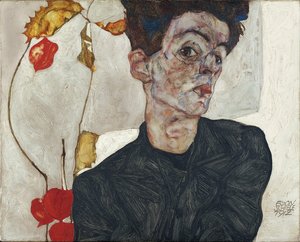
1890 - 1918 , Rakousko
Prozkoumejte top 25 děl Egona Schieleho – mistra expresionismu. Obdivujte portréty, akvarely a kresby plné emocí a psychologické hloubky. Reprodukce obrazů s Most-Famous-Paintings pro váš interiér. Discover all masterpieces on Most-Famous-Paintings.com

Explore the rich history & symbolism of green in art! Discover iconic paintings, techniques, and how to bring verdant harmony into your home with Most-Famous-Paintings's expert guide.

Explore the emotionally charged world of Egon Schiele (1890-1918). Discover his Expressionist masterpieces, psychological themes, and lasting impact on modern art. A comprehensive guide for collectors & enthusiasts.

Objevte umění ruční olejomalby! Průvodce pro galerie a majitele luxusních interiérů. Historie, techniky, restaurování a výběr barev od odborníků. Zachovejte dědictví s Most-Famous-Paintings.

Objevte top 10 slavných obrazů v odstínech chromové zelené! Prozkoumejte příběhy Van Gogha, Moneta a dalších mistrů. Inspirace pro interiér a reprodukce umění nejvyšší kvality na Most-Famous-Paintings.com.


Buďte na tahu s nejnovějšími novinkami ze světa umění, exkluzivními nabídkami a inspirativními nápady na dekoraci.
Sdělte nám více o svém projektu a naši odborníci na umění vám připraví 3 personalizované návrhy uměleckých děl.
Nechť pro vás vybereme 3 možnosti – zdarma!


 Náhled
 Sdílet
 Sdílet
 Podrobnosti o díle

 Stáhnout
 Podobné položky
 Rentgenové snímky
 Slideshow
 Zobrazit více







 Skleněná varianta je dostupná pouze u rozměrů menších než 110 cm