x

Giclée nebo plátěný tisk muzeální kvality s rychlou výrobou a flexibilními možnostmi povrchové úpravy. ( Koupit ručně malovaný obraz Koupit obrázek)





























Vyberte si z našich přednastavených velikostí, které odpovídají původním proporcím díla.

Můžete zadat vlastní rozměry tak, aby výtvor odpovídal konkrétnímu rámu nebo prostoru. Pokud zvolená velikost nebude odpovídat poměru stran původního obrazu, dílo buď ořížeme, nebo obraz rozšíříme pomocí zrcadlového efektu či jednobarevného okraje. Před zahájením výroby vám bude zaslán digitální náhled k schválení.
Mějte prosím na paměti, že náhled na obrazovce neodráží skutečné oříznutí nebo rozšíření. Pouze digitální náhled přesně zobrazí finální kompozici.
Ačkoliv jsou k dispozici i vlastní rozměry, pro zachování původních proporcí doporučujeme vybrat si rozměr z předdefinovaného seznamu.
Celosvětové doručení () do 2 týdnů namísto standardních 4/5 týdnů. (19 srpen)


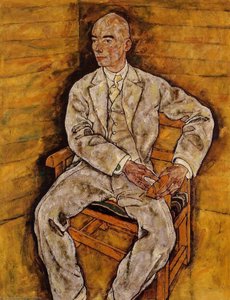
I Love Antitheses
Rozměry reprodukce
Egon Schiele’s “I Love Antitheses,” painted in 1912, is more than just a depiction of a man; it's an embodiment of the anxieties simmering beneath the surface of early 20th-century Vienna – a city grappling with rapid industrialization and intellectual ferment while simultaneously confronting the looming shadow of mortality. The painting immediately arrests the eye with its stark palette dominated by muted reds and blacks, colors deliberately chosen to convey unease and repression.
The artist’s meticulous attention to detail—particularly the two buttons on the man’s jacket—adds a layer of significance beyond mere visual representation. These seemingly insignificant objects serve as anchors within the unsettling space, highlighting the fragility of human existence and emphasizing the contrast between outward appearance and inner turmoil. Schiele deliberately disrupts conventional artistic conventions, prioritizing emotional impact over idealized beauty.
“I Love Antitheses” isn’t merely a portrait; it's a psychological landscape rendered in pigment. It invites viewers to contemplate the complexities of human consciousness and confronts them with uncomfortable truths about vulnerability and mortality—a timeless exploration that continues to resonate powerfully today. Its dramatic use of color and expressive lines solidify Schiele’s place as one of the most influential figures in Expressionist art.

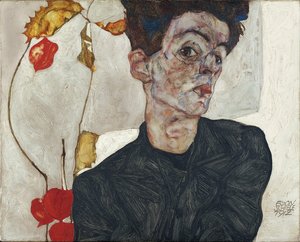
1890 - 1918 , Rakousko

Explore the profound history of Expressionism. From Edvard Munch to Jackson Pollock, discover how artists used distortion and color to convey raw emotion. A definitive guide for art lovers seeking deep historical context and mastery in fine art reproductions.


Buďte na tahu s nejnovějšími novinkami ze světa umění, exkluzivními nabídkami a inspirativními nápady na dekoraci.
Sdělte nám více o svém projektu a naši odborníci na umění vám připraví 3 personalizované návrhy uměleckých děl.
Nechť pro vás vybereme 3 možnosti – zdarma!


 Náhled
 Sdílet
 Sdílet
 Podrobnosti o díle

 Stáhnout
 Podobné položky
 Rentgenové snímky
 Slideshow

 Zobrazit více







 Skleněná varianta je dostupná pouze u rozměrů menších než 110 cm