x


 Preview
 Koupit tisk Koupit digitální obrázek
 Sdílet
 Podrobnosti o díle
 Přidat do oblíbených
 Stáhnout
 Podobné položky
 Rentgenové snímky
 Slideshow
 Acrylic On CanvasWallArtExpressionism
 1913
1913 486.0 x 320.0 cm
 Muzeum Leopoldových
Ručně malovaná olejná barva na plátně ve vašem zvoleném rozměru i s rámem, vyrobená našimi umělci na zakázku.





























Vyberte si z našich přednastavených velikostí, které odpovídají původním proporcím díla.

Můžete zadat vlastní rozměry pro konkrétní rám nebo prostor. Pokud se vámi vybraná velikost neshoduje s proporcemi původního obrazu, dílo buď ořízneme, nebo jej doplníme ručně malovanými prvky. Před zahájením výroby vám bude zaslán digitální náhled ke schválení.
Upozorňujeme, že náhled na obrazovce neodpovídá skutečnému ořezu ani rozšíření. Pouze digitální náhled přesně zobrazí finální kompozici.
Ačkoliv je možné zvolit vlastní velikost, pro zachování původních proporcí doporučujeme vybrat rozměr z předdefinovaného seznamu.
Celosvětová doprava () za 3–4 týdny namísto standardních 5 týdnů. (24 červenec). Bez kompromisů v kvalitě.


Old Gable
Rozměry reprodukce
Egon Schiele’s “Old Gable,” painted in 1913, isn't merely a depiction of a building under construction; it’s a profound meditation on decay, labor, and the relentless march of time—themes central to Schiele’s distinctive Expressionist style. This artwork resides within the Leopold Museum’s Online Sammlung, offering visitors a glimpse into Schiele’s artistic legacy and his meticulous approach to capturing reality.
The painting itself presents a striking visual narrative. A weathered gable roof dominates the composition, partially obscured by scaffolding and beams—symbols of ongoing effort and transformation. The artist skillfully employs pencil and gouache on paper, layering textures to convey both solidity and vulnerability. Schiele’s characteristic angular lines define the architectural elements with precision, yet simultaneously imbue them with an unsettling dynamism.
Schiele's artistic journey began amidst considerable hardship; his father succumbed to syphilis when he was just fourteen, profoundly influencing his worldview and fueling a preoccupation with mortality that permeates much of his oeuvre. Raised initially by his mother and then under the guardianship of Leopold Czihaczek, Schiele’s childhood lacked conventional stability but nurtured an independent spirit—a trait evident in his unwavering dedication to artistic exploration.
The historical context surrounding “Old Gable” is crucial to understanding its significance. Painted during a period marked by intellectual ferment and anxieties about the future, Schiele's work reflects the broader Expressionist movement’s preoccupation with psychological intensity and emotional honesty. Unlike Impressionists who sought to capture fleeting moments of beauty, Schiele aimed to confront viewers with uncomfortable truths about human existence—a bold ambition that distinguishes him from his contemporaries.
Beyond its formal qualities, “Old Gable” resonates emotionally due to Schiele’s masterful use of color and tonal variation. The muted palette—primarily reds and browns—creates a sense of melancholy and emphasizes the passage of time. However, Schiele's expressive brushstrokes inject an element of urgency into the scene, suggesting that despite appearances, change is inevitable. It’s a poignant reminder of the beauty found within imperfection and decay.
Schiele’s artistic reputation solidified after his death in 1918, establishing him as one of Austria's most influential artists. His work continues to inspire admiration for its uncompromising vision and technical brilliance. Reproductions of “Old Gable” are available at Leopold Museum Online Sammlung, allowing collectors and enthusiasts alike to experience the power of Schiele’s artistic legacy.
Further research into Schiele's life and art can be found at Egon Schiele and Old Gable - Google Arts & Culture.

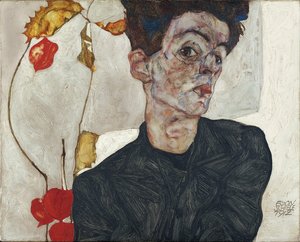
1890 - 1918 , Rakousko
Prozkoumejte top 25 děl Egona Schieleho – mistra expresionismu. Obdivujte portréty, akvarely a kresby plné emocí a psychologické hloubky. Reprodukce obrazů s Most-Famous-Paintings pro váš interiér. Discover all masterpieces on Most-Famous-Paintings.com

Prozkoumejte 25 ikonických děl z Metropolitního muzea v New Yorku! Objevte příběhy Van Gogha, Moneta a dalších mistrů. Reprodukce obrazů pro váš interiér na Most-Famous-Paintings.com.
Prozkoumejte 25 ikonických děl Jamese Abbotta McNeilla Whistlera! Obrazy Nocturnes, portréty a estetismus. Inspirace pro interiér s uměleckými reprodukcemi nejvyšší kvality na Most-Famous-Paintings.com. Objevte celou kolekci online.

Prozkoumejte 25 ikonických děl z Detroit Institute of Arts! Obrazy Van Gogha, Moneta a Rembrandta ožívají. Inspirace pro váš interiér s reprodukcemi nejvyšší kvality na Most-Famous-Paintings.com.
Objevte 25 ikonických děl Národní galerie umění ve Washingtonu! Prozkoumejte příběhy Cézanna, Matisse a Picassa. Inspirace pro váš interiér s reprodukcemi obrazů nejvyšší kvality na Most-Famous-Paintings.com.


Buďte na tahu s nejnovějšími novinkami ze světa umění, exkluzivními nabídkami a inspirativními nápady na dekoraci.
Sdělte nám více o svém projektu a naši odborníci na umění vám připraví 3 personalizované návrhy uměleckých děl.
Nechť pro vás vybereme 3 možnosti – zdarma!


 Sdílet

 Zobrazit více







 Skleněná varianta je dostupná pouze u rozměrů menších než 110 cm