


x

 Oil On CanvasWallArtArt Nouveau
 1913
1913 80.0 x 89.0 cm
Koupě vysoce rozlišeného, vylepšeného digitálního obrazu, který je mnohem kvalitnější než online náhled.
Každý soubor je pečlivě připraven našimi odborníky pomocí pokročilých nástrojů a expertní manuální retuše. Zajišťujeme, aby každý obraz disponoval výjimečnou ostrostí, přesnou barevnou věrností a jemnými detaily.
Finální soubor vám bude do 72 hodin zaslán e-mailem, optimalizovaný pro okamžité použití v profesionálním, redakčním i tiskovém prostředí. Nabízíme stejnou kvalitu, které důvěřují špičková designová studia, nakladatelství i galerie.
Stáhněte si soubor ve vysokém rozlišení pro osobní prohlížení, tisk a kreativní projekty. ( Koupit tisk Koupit ručně malovaný obraz)
Když si vyberete Most-Famous-Paintings.com, nezískáváte pouze obrázek – získáváte digitální umělecké dílo s profesionálně vylepšenými detaily, zpracované s precizností a podpořené zárukou za spokojenost. Zde je vše, co vaše objednávka automaticky obsahuje:

Váš digitální obraz ve vysokém rozlišení vám bude zaslán e-mailem do 72 hodin od objednávky – připraven k okamžitému použití.

Vaše umělecké dílo je profesionálně optimalizováno pomocí pokročilých nástrojů umělé inteligence a manuální úpravy, což zajišťuje maximální úroveň detailu, ostrosti a přesnosti barev.

Soubor jste omylem smazali nebo ztratili? Žádný problém – kdykoliv vám ho znovu zašleme zcela zdarma.

Užijte si své umělecké dílo okamžitě bez celních poplatků, daní nebo nákladů na dopravu – digitální stažení je vždy bez daňových povinností.

Pomocí profesionálních nástrojů a správy barev zajišťujeme, aby váš digitální obraz odrážel původní barvy co nejvěrněji.

Pokud nebudete s digitální fotografií spokojeni, provedeme její revizi nebo vám vrátíme 100% během 60 dnů – bez jakýchkoliv dotazů.

Nespokojeni? Získejte plnou částku zpět do 60 dní od přijetí vašeho digitálního souboru – bez jakýchkoliv dotazů.

Koupěte si 3 obrazy, ušetřete 10% - Koupěte si 5, ušetřete 15% - Koupěte si 10+, ušetřete 20%. Ideální pro kreativní projekty, galerie a agentury.
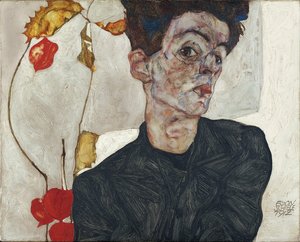
Egon Schiele's "Sawmill," painted in 1913, isn’t merely a depiction of a rustic building; it’s a raw, intensely personal glimpse into the anxieties and beauty of early 20th-century Austria. Created during a period of profound upheaval – both personally for Schiele and politically across Europe – the painting vibrates with an unsettling energy that belies its seemingly simple subject matter. The scene unfolds within a landscape dominated by muted browns and greens, punctuated by the stark geometry of the sawmill itself. This structure, rendered in warm, earthy tones, becomes a focal point, simultaneously representing industry and a brutal confrontation with mortality. Schiele’s masterful use of texture, achieved through thick, impasto brushstrokes, imbues the canvas with a palpable sense of movement – you can almost hear the rhythmic groan of the machinery and feel the dampness of the surrounding hillside.
“Sawmill” firmly resides within the realm of Art Nouveau, though it transcends mere stylistic adherence. While embracing the movement’s emphasis on sinuous lines and organic forms – evident in the undulating curves of the hillside and the suggestion of human figures within the building – Schiele injects a distinctly unsettling quality. Unlike the often-idealized representations of nature found in some Art Nouveau works, Schiele's landscape is imbued with a sense of vulnerability and decay. The muted palette and the stark contrast between light and shadow contribute to this feeling, hinting at an underlying melancholy. The painting’s composition feels deliberately unbalanced, mirroring perhaps the artist’s own internal struggles.
Beyond its formal elements, “Sawmill” is rich with symbolic weight. The sawmill itself has become a potent symbol of labor, industry, and ultimately, mortality. It represents the relentless cycle of production and destruction, mirroring Schiele’s preoccupation with death – a theme that permeated much of his oeuvre following the loss of his father. The small building adjacent to the main structure could be interpreted as a refuge, a place of rest or perhaps even a tomb, further reinforcing the painting's somber mood. The placement of these structures within the vast landscape emphasizes humanity’s smallness and vulnerability in the face of nature’s power.
Understanding Egon Schiele requires acknowledging the profound impact of his personal life. Born in Vienna in 1890, Schiele's early years were marked by illness and loss – a tragedy that profoundly shaped his artistic vision. His father’s death from syphilis at the age of fourteen cast a long shadow over his psyche, fueling an obsession with themes of mortality, fragility, and the human condition. This emotional intensity is powerfully conveyed in “Sawmill,” where every brushstroke seems to carry the weight of unspoken grief. His unique style, characterized by elongated figures, distorted perspectives, and a raw, expressive quality, continues to captivate viewers today. The painting stands as a testament to his ability to transform personal pain into enduring artistic expression.
For those seeking to experience the power of Schiele’s vision firsthand, Most-Famous-Paintings.com offers meticulously crafted oil painting reproductions of “Sawmill.” These handmade reproductions capture not only the visual details but also the emotional depth and textural richness of the original, allowing you to bring this poignant work into your own space.

1890 - 1918 , Rakousko


Buďte na tahu s nejnovějšími novinkami ze světa umění, exkluzivními nabídkami a inspirativními nápady na dekoraci.
Sdělte nám více o svém projektu a naši odborníci na umění vám připraví 3 personalizované návrhy uměleckých děl.
Nechť pro vás vybereme 3 možnosti – zdarma!


 Náhled
 Sdílet
 Sdílet
 Podrobnosti o díle

 Stáhnout
 Podobné položky
 Rentgenové snímky
 Slideshow
 Zobrazit více


