


x

Giclée nebo plátěný tisk muzeální kvality s rychlou výrobou a flexibilními možnostmi povrchové úpravy. ( Koupit ručně malovaný obraz Koupit obrázek)





























Vyberte si z našich přednastavených velikostí, které odpovídají původním proporcím díla.

Můžete zadat vlastní rozměry tak, aby výtvor odpovídal konkrétnímu rámu nebo prostoru. Pokud zvolená velikost nebude odpovídat poměru stran původního obrazu, dílo buď ořížeme, nebo obraz rozšíříme pomocí zrcadlového efektu či jednobarevného okraje. Před zahájením výroby vám bude zaslán digitální náhled k schválení.
Mějte prosím na paměti, že náhled na obrazovce neodráží skutečné oříznutí nebo rozšíření. Pouze digitální náhled přesně zobrazí finální kompozici.
Ačkoliv jsou k dispozici i vlastní rozměry, pro zachování původních proporcí doporučujeme vybrat si rozměr z předdefinovaného seznamu.
Celosvětové doručení () do 2 týdnů namísto standardních 4/5 týdnů. (21 srpen)


Seated Woman
Rozměry reprodukce
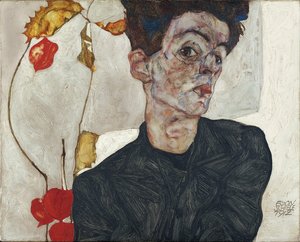
Egon Schiele's "Seated Woman," painted in 1913 amidst the tumultuous backdrop of early 20th-century Vienna, is far more than a simple portrait; it’s a haunting meditation on mortality, vulnerability, and the raw intensity of human emotion. Born in Tulln an der Donau in 1890, Schiele's life was tragically cut short at just 28, leaving behind a body of work characterized by its unsettling honesty and profound psychological depth. This particular painting, executed in watercolor on paper, exemplifies these qualities perfectly, offering a glimpse into the artist’s intensely personal vision.
The subject herself remains partially obscured, her face veiled in shadow, drawing our attention immediately to her posture and the delicate tension within her form. She is seated on what appears to be a simple chair, her head resting heavily upon another unseen figure's lap – an arrangement that speaks volumes about power dynamics, intimacy, and perhaps even a sense of surrender. The pose itself is deliberately awkward, almost painfully contorted; her back arches dramatically, suggesting both vulnerability and a fierce determination to endure. This isn’t the idealized beauty celebrated in much of Viennese art at the time; instead, Schiele presents a woman stripped bare, not just physically but emotionally.
Schiele's masterful use of watercolor is crucial to the painting’s impact. The medium lends itself beautifully to capturing fleeting moments and conveying a sense of immediacy. Notice how the colors bleed into one another, creating soft edges and an almost ethereal quality. However, this softness is juxtaposed with sharply defined lines – particularly evident in the woman's limbs and the chair’s frame – which inject a feeling of unease and instability. These angular lines contribute to the overall sense of tension within the composition.
The artist employs a remarkably restrained palette: primarily muted browns, creams, and greens, punctuated by flashes of red in the chair upholstery and the woman's hair. This limited color scheme amplifies the painting’s emotional resonance, creating a mood that is both melancholic and unsettling. The absence of bright colors reinforces the sense of isolation and vulnerability at the heart of the work.
Painted in 1913, “Seated Woman” reflects the anxieties and uncertainties of its time. Vienna was a city grappling with social upheaval, artistic experimentation, and a growing awareness of mortality – themes that would become increasingly prominent in Schiele’s oeuvre. The presence of the unseen figure supporting her head is particularly significant; it could be interpreted as representing death itself, or perhaps a symbol of dependence and vulnerability. Schiele's own life was marked by loss and illness, including the early deaths of his father and sister, experiences that undoubtedly informed his artistic vision.
Interestingly, Schiele’s work often explored themes of eroticism alongside mortality, as evidenced in other paintings from this period. This juxtaposition – a celebration of beauty intertwined with an awareness of decay – is characteristic of the Expressionist movement's willingness to confront uncomfortable truths about the human condition. The painting can be seen as a poignant exploration of the delicate balance between life and death, pleasure and pain.
"Seated Woman" remains a powerfully evocative work of art, offering a rare glimpse into the inner world of one of Expressionism’s most tormented yet brilliant artists. Its unsettling beauty, combined with its profound psychological depth, continues to resonate with viewers today. Whether viewed as a meditation on mortality or a celebration of human vulnerability, this painting stands as a testament to Schiele's unique artistic vision and his ability to capture the complexities of the human experience.

1890 - 1918 , Rakousko

Explore the profound history and technical mastery of watercolor painting. From medieval manuscripts to the luminous works of John Singer Sargent, discover how artists capture light and transparency through this delicate, enduring medium.


Buďte na tahu s nejnovějšími novinkami ze světa umění, exkluzivními nabídkami a inspirativními nápady na dekoraci.
Sdělte nám více o svém projektu a naši odborníci na umění vám připraví 3 personalizované návrhy uměleckých děl.
Nechť pro vás vybereme 3 možnosti – zdarma!


 Náhled
 Sdílet
 Sdílet
 Podrobnosti o díle

 Stáhnout
 Podobné položky
 Rentgenové snímky
 Slideshow

 Zobrazit více







 Skleněná varianta je dostupná pouze u rozměrů menších než 110 cm


