x

Giclée nebo plátěný tisk muzeální kvality s rychlou výrobou a flexibilními možnostmi povrchové úpravy. ( Koupit ručně malovaný obraz Koupit obrázek)
Vyberte si z našich přednastavených velikostí, které odpovídají původním proporcím díla.

Můžete zadat vlastní rozměry tak, aby výtvor odpovídal konkrétnímu rámu nebo prostoru. Pokud zvolená velikost nebude odpovídat poměru stran původního obrazu, dílo buď ořížeme, nebo obraz rozšíříme pomocí zrcadlového efektu či jednobarevného okraje. Před zahájením výroby vám bude zaslán digitální náhled k schválení.
Mějte prosím na paměti, že náhled na obrazovce neodráží skutečné oříznutí nebo rozšíření. Pouze digitální náhled přesně zobrazí finální kompozici.
Ačkoliv jsou k dispozici i vlastní rozměry, pro zachování původních proporcí doporučujeme vybrat si rozměr z předdefinovaného seznamu.
Celosvětové doručení () do 2 týdnů namísto standardních 4/5 týdnů. (15 srpen)


self portrait 1913
Rozměry reprodukce
Egon Schiele's "Self Portrait," painted in 1913, stands as a haunting testament to the anxieties and introspection characteristic of Expressionism. More than just a likeness of the artist himself, it embodies a profound psychological exploration rendered with an uncompromising visual language that continues to captivate audiences today.
Painted amidst the burgeoning Expressionist movement in Vienna—a period marked by social upheaval and artistic experimentation—Schiele’s “Self Portrait” reflects the broader intellectual climate of its era. Influenced by artists like Edvard Munch and Vincent van Gogh, Schiele adopted techniques that prioritized emotional intensity over realistic depiction. The painting's raw aesthetic aligns with the Expressionists’ desire to convey subjective experience and confront uncomfortable truths about human existence.
Schiele’s masterful line work is arguably the painting’s most striking feature. Each stroke pulsates with energy, capturing the artist's emotional state—a whirlwind of anxiety and self-awareness. The lines aren’t merely delineating form; they are communicating feeling directly to the viewer, embodying Schiele’s conviction that art should transcend mere visual representation.
"Self Portrait" transcends its formal elements to deliver a visceral experience of psychological vulnerability. It compels viewers to confront uncomfortable questions about identity and mortality—themes that resonate powerfully across generations. Schiele's unflinching honesty continues to inspire artists and scholars alike, cementing “Self Portrait”’s place as an enduring masterpiece of Expressionist art.

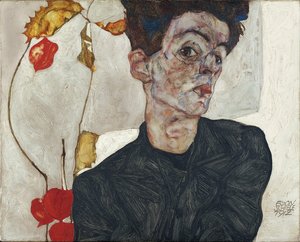
1890 - 1918 , Rakousko

Transform your photos into stunning personalized art! Most-Famous-Paintings offers museum-quality reproductions & custom portraits in any style. Expert artists, free consultations & worldwide shipping. Create a timeless heirloom today!

Explore the life & art of Philip de László, master portraitist of European aristocracy. Discover his stunning paintings, royal commissions, and enduring legacy. A guide for discerning collectors.
Prozkoumejte 10 nejslavnějších obrazů ovládaných odstíny černé. Objevte příběhy za uměleckými díly, techniky a inspiraci ikonických mistrů. Reprodukce obrazů s Most-Famous-Paintings – luxusní dekorace pro váš domov. Prohlédněte si celou kolekci online!

Explore the fascinating evolution of portraiture from classical masterpieces to digital art! Discover symbolism, techniques & societal impact. Expert insights for collectors & enthusiasts at Most-Famous-Paintings.
Prozkoumejte 25 ikonických děl Marka Rothka, mistra abstraktního expresionismu. Objevte příběhy za jeho barevnými plátny a emoce v umění. Reprodukce obrazů nejvyšší kvality na Most-Famous-Paintings.com.


Buďte na tahu s nejnovějšími novinkami ze světa umění, exkluzivními nabídkami a inspirativními nápady na dekoraci.
Sdělte nám více o svém projektu a naši odborníci na umění vám připraví 3 personalizované návrhy uměleckých děl.
Nechť pro vás vybereme 3 možnosti – zdarma!


 Náhled
 Sdílet
 Sdílet
 Podrobnosti o díle

 Stáhnout
 Podobné položky
 Rentgenové snímky
 Slideshow
 Zobrazit více




































 Skleněná varianta je dostupná pouze u rozměrů menších než 110 cm