x

 Acrylic On CanvasWallArtExpressionism
 1916
1916 34.0 x 27.0 cm
Giclée nebo plátěný tisk muzeální kvality s rychlou výrobou a flexibilními možnostmi povrchové úpravy. ( Koupit ručně malovaný obraz Koupit obrázek)





























Vyberte si z našich přednastavených velikostí, které odpovídají původním proporcím díla.

Můžete zadat vlastní rozměry tak, aby výtvor odpovídal konkrétnímu rámu nebo prostoru. Pokud zvolená velikost nebude odpovídat poměru stran původního obrazu, dílo buď ořížeme, nebo obraz rozšíříme pomocí zrcadlového efektu či jednobarevného okraje. Před zahájením výroby vám bude zaslán digitální náhled k schválení.
Mějte prosím na paměti, že náhled na obrazovce neodráží skutečné oříznutí nebo rozšíření. Pouze digitální náhled přesně zobrazí finální kompozici.
Ačkoliv jsou k dispozici i vlastní rozměry, pro zachování původních proporcí doporučujeme vybrat si rozměr z předdefinovaného seznamu.
Celosvětové doručení () do 2 týdnů namísto standardních 4/5 týdnů. (14 srpen)


Sitting Child
Rozměry reprodukce
Egon Schiele’s “Sitting Child,” created in 1916, isn't merely a depiction of a young boy playing with a toy; it’s a profoundly unsettling and intensely personal portrait. Rendered in stark black and white pencil on paper, the drawing immediately draws the viewer into a world of quiet observation and subtle unease. Measuring just 34 x 27 cm, its intimate scale amplifies the feeling of being privy to a private moment, as if we’ve stumbled upon an artist's fleeting study. The simplicity of the composition – a child seated on the ground, absorbed in their play – belies the complex emotions simmering beneath the surface. This isn’t a sentimental portrayal of childhood; instead, it’s a glimpse into Schiele’s uniquely perceptive and often melancholic vision of humanity.
The drawing's style is undeniably rooted in Expressionism, a movement characterized by its focus on subjective emotion and distorted forms. Schiele’s lines are not clean or precise; they writhe and twist with an almost palpable energy, conveying a sense of restlessness and vulnerability. Notice how the child’s body isn’t rendered with anatomical accuracy – rather, it's suggested through fragmented lines, creating a feeling of instability and fragility. This deliberate distortion mirrors Schiele’s broader exploration of mortality and psychological distress, themes that frequently permeate his work. The use of monochrome further intensifies this effect, stripping away any potential distractions and forcing the viewer to confront the raw emotion at the heart of the image.
To understand “Sitting Child,” it’s crucial to consider the historical context in which it was created. 1916 was a turbulent year, marked by the escalating horrors of World War I and a pervasive sense of anxiety within Europe. Schiele himself was grappling with personal tragedy – his father's death from syphilis just four years prior had left an indelible mark on his psyche. This experience fueled a lifelong preoccupation with themes of illness, decay, and the fleeting nature of life. The drawing can be interpreted as a meditation on these anxieties, subtly projected onto the innocent figure of the child.
Schiele’s artistic influences are equally important to consider. He was deeply impacted by the work of Vincent van Gogh, particularly his expressive use of line and color. However, Schiele pushed beyond mere imitation, developing a highly individual style characterized by its angularity, distortion, and psychological depth. The drawing also reveals echoes of earlier Renaissance depictions of the Madonna and Child, but Schiele subverts this traditional iconography by imbuing the scene with an unsettling ambiguity. The child’s gaze is averted, suggesting introspection or perhaps even a hint of sadness – a stark contrast to the idealized serenity often associated with images of motherhood.
The teddy bear clutched in the child's hand is more than just a simple toy; it’s a potent symbol. In Schiele’s work, objects frequently carry layered meanings, representing desires, fears, or unresolved traumas. The teddy bear, often associated with comfort and security, here seems to offer little solace. Its presence alongside the child’s somewhat melancholic expression suggests a yearning for something lost or unattainable. The very act of sitting alone on the ground could symbolize isolation or vulnerability – a poignant reflection of the artist's own feelings of alienation.
Ultimately, “Sitting Child” is a deeply ambiguous and emotionally resonant work. It’s not a cheerful depiction of childhood innocence; rather, it’s a haunting meditation on mortality, anxiety, and the complexities of human experience. Schiele masterfully captures a fleeting moment in time, inviting us to contemplate the hidden depths beneath the surface of seemingly ordinary subjects. The drawing's power lies in its ability to evoke a sense of unease and introspection, leaving the viewer with more questions than answers – a testament to Schiele’s genius as an artist and his profound understanding of the human psyche.

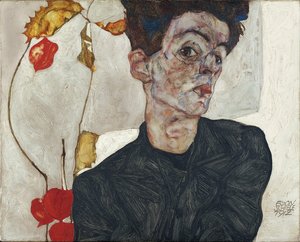
1890 - 1918 , Rakousko
Prozkoumejte 10 ikonických děl expresionismu od Muncha, van Gogha a dalších. Objevte příběhy umělců, techniky a emoce v obrazech. Reprodukce obrazů nejvyšší kvality na Most-Famous-Paintings.com – inspirace pro váš interiér! Prohlédněte si celou kolekci online.

Objevte 25 ikonických děl Johna Singera Sargenta – portrétů, impresionistických krajin a elegantních kompozic. Prozkoumejte příběhy umění, techniky a inspiraci pro váš interiér s reprodukcemi nejvyšší kvality na Most-Famous-Paintings.com

Explore the captivating world of Arturo Souto's abstract expressionism. Discover his unique style, emotional depth, and investment potential – a guide for discerning art collectors.

Prozkoumejte 10 legendárních akrylových mistrovských děl, které změnily umění! Objevte příběhy Pollocka, Rothka a dalších. Reprodukce obrazů nejvyšší kvality pro váš interiér na Most-Famous-Paintings.com.

Explore the emotionally charged world of Egon Schiele (1890-1918). Discover his Expressionist masterpieces, psychological themes, and lasting impact on modern art. A comprehensive guide for collectors & enthusiasts.


Buďte na tahu s nejnovějšími novinkami ze světa umění, exkluzivními nabídkami a inspirativními nápady na dekoraci.
Sdělte nám více o svém projektu a naši odborníci na umění vám připraví 3 personalizované návrhy uměleckých děl.
Nechť pro vás vybereme 3 možnosti – zdarma!


 Náhled
 Sdílet
 Sdílet
 Podrobnosti o díle

 Stáhnout
 Podobné položky
 Rentgenové snímky
 Slideshow
 Zobrazit více







 Skleněná varianta je dostupná pouze u rozměrů menších než 110 cm