x

Giclée nebo plátěný tisk muzeální kvality s rychlou výrobou a flexibilními možnostmi povrchové úpravy. ( Koupit ručně malovaný obraz Koupit obrázek)





























Vyberte si z našich přednastavených velikostí, které odpovídají původním proporcím díla.

Můžete zadat vlastní rozměry tak, aby výtvor odpovídal konkrétnímu rámu nebo prostoru. Pokud zvolená velikost nebude odpovídat poměru stran původního obrazu, dílo buď ořížeme, nebo obraz rozšíříme pomocí zrcadlového efektu či jednobarevného okraje. Před zahájením výroby vám bude zaslán digitální náhled k schválení.
Mějte prosím na paměti, že náhled na obrazovce neodráží skutečné oříznutí nebo rozšíření. Pouze digitální náhled přesně zobrazí finální kompozici.
Ačkoliv jsou k dispozici i vlastní rozměry, pro zachování původních proporcí doporučujeme vybrat si rozměr z předdefinovaného seznamu.
Celosvětové doručení () do 2 týdnů namísto standardních 4/5 týdnů. (17 srpen)


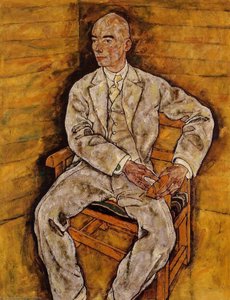
untitled (2996)
Rozměry reprodukce
Egon Schiele's "Untitled (2996)," a haunting depiction of a woman seated on the ground, is more than just a portrait; it’s a raw and intensely personal exploration of vulnerability, anxiety, and the precariousness of existence. Painted in 1918, tragically near the end of his life, this work embodies the core tenets of Schiele's Expressionist style – a deliberate distortion of form, an emphasis on emotional intensity, and a willingness to confront uncomfortable truths about the human condition. The painting’s power lies not in its precise representation but in its evocative atmosphere, a palpable sense of unease that draws the viewer into the woman’s internal world.

The subject, shrouded in a dark, enveloping garment, occupies the lower half of the canvas. Her posture – slumped and seemingly defeated – immediately conveys distress. Her face, though partially obscured, holds an expression of profound sorrow or perhaps even resignation. The background is deliberately blurred, populated by indistinct figures that serve to isolate the central figure and amplify her solitude. Schiele’s signature technique—bold, gestural lines—dominates the composition. He employs a thick impasto application of paint, creating a textured surface that adds to the painting's visceral impact. The lines themselves are not merely descriptive; they actively communicate emotion, conveying the woman’s inner turmoil with an almost violent energy.
To understand “Untitled (2996),” it’s crucial to consider Schiele's deeply troubled life. Born in 1890 into a family marked by illness and loss, he experienced the early deaths of his father (from syphilis) and sister, events that profoundly shaped his artistic vision. His father’s descent into madness and subsequent death cast a long shadow over Schiele’s psyche, fueling an obsession with mortality and the fragility of human existence – themes repeatedly explored in his work. The painting can be interpreted as a direct reflection of this personal trauma, a visual manifestation of grief, isolation, and the struggle to find meaning in the face of overwhelming loss.
Furthermore, Schiele’s artistic development was heavily influenced by Gustav Klimt, a prominent figure in the Viennese Secession movement. However, while Klimt often depicted idealized beauty, Schiele relentlessly pursued an unflinching portrayal of human vulnerability and psychological distress. His work stands as a stark contrast to Klimt's polished surfaces, prioritizing emotional honesty over aesthetic perfection.
The woman’s dark clothing can be seen as symbolic of concealment, perhaps representing a hidden pain or a desire for anonymity. The ground she sits upon—a simple, unadorned surface—suggests a lack of support or stability. However, it's the expressive lines that truly carry the weight of meaning in this painting. Schiele’s use of jagged, broken lines creates a sense of unease and instability, mirroring the woman’s emotional state. The lines aren’t simply outlining forms; they are actively shaping the viewer’s perception, drawing attention to the subject's vulnerability and projecting her inner turmoil outward.
"Untitled (2996)" is a profoundly moving work that offers a rare glimpse into the tormented soul of Egon Schiele. It’s a testament to his courage in confronting difficult emotions and his willingness to expose the darker aspects of human experience. Reproductions of this painting, available through Most-Famous-Paintings.com, allow viewers to connect with this powerful artwork on a deeper level, appreciating its raw emotional intensity and enduring relevance. Consider commissioning a hand-painted reproduction to bring this evocative image into your home or office – a tangible reminder of the complexities of human emotion and the beauty found within vulnerability.

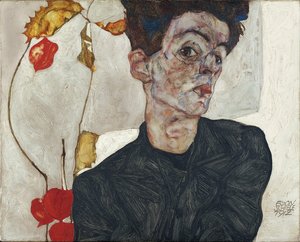
1890 - 1918 , Rakousko

Explore the profound history of Expressionism. From Edvard Munch to Jackson Pollock, discover how artists used distortion and color to convey raw emotion. A definitive guide for art lovers seeking deep historical context and mastery in fine art reproductions.

Explore the profound history of Surrealist Expressionism. Discover how artists blended dream logic with raw emotion to navigate post-war trauma through masterful, evocative imagery and psychological depth.
Explore the profound depth of Figurative Expressionism. From Edvard Munch to William H. Johnson, learn how masters use the human form to capture raw emotion through color and distortion in this expert art history guide.


Buďte na tahu s nejnovějšími novinkami ze světa umění, exkluzivními nabídkami a inspirativními nápady na dekoraci.
Sdělte nám více o svém projektu a naši odborníci na umění vám připraví 3 personalizované návrhy uměleckých děl.
Nechť pro vás vybereme 3 možnosti – zdarma!


 Náhled
 Sdílet
 Sdílet
 Podrobnosti o díle

 Stáhnout
 Podobné položky
 Rentgenové snímky
 Slideshow
 Zobrazit více







 Skleněná varianta je dostupná pouze u rozměrů menších než 110 cm