


x

Ručně malovaná olejná barva na plátně ve vašem zvoleném rozměru i s rámem, vyrobená našimi umělci na zakázku. ( Koupit tisk Koupit obrázek)





























Vyberte si z našich přednastavených velikostí, které odpovídají původním proporcím díla.

Můžete zadat vlastní rozměry pro konkrétní rám nebo prostor. Pokud se vámi vybraná velikost neshoduje s proporcemi původního obrazu, dílo buď ořízneme, nebo jej doplníme ručně malovanými prvky. Před zahájením výroby vám bude zaslán digitální náhled ke schválení.
Upozorňujeme, že náhled na obrazovce neodpovídá skutečnému ořezu ani rozšíření. Pouze digitální náhled přesně zobrazí finální kompozici.
Ačkoliv je možné zvolit vlastní velikost, pro zachování původních proporcí doporučujeme vybrat rozměr z předdefinovaného seznamu.
Celosvětová doprava () za 3–4 týdny namísto standardních 5 týdnů. (23 srpen). Bez kompromisů v kvalitě.


untitled (5194)
Rozměry reprodukce
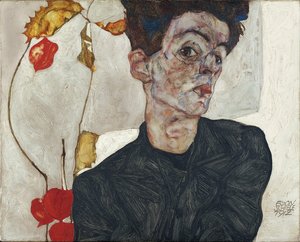
Egon Schiele’s “Untitled (5194),” a profoundly unsettling yet undeniably captivating work, plunges the viewer directly into the heart of human suffering. Painted in 1918, just months before his untimely death at the young age of 28, this image transcends mere representation; it's an embodiment of existential angst and the raw vulnerability inherent within the female form. The painting depicts a woman in the throes of childbirth, her body contorted in a desperate plea for release, her face obscured by shadow – a deliberate choice that amplifies the scene’s intensity and forces us to confront the primal nature of birth without sentimentality.
Schiele's signature style is powerfully evident here. The elongated figures, the sharp, angular lines, and the almost brutal honesty with which he renders the human body are hallmarks of his Expressionist approach. He wasn’t interested in idealized beauty; instead, he sought to expose the underlying anxieties and psychological turmoil that simmered beneath the surface. Notice how the woman's limbs are stretched taut, her posture a testament to the immense physical strain she endures. The stark contrast between light and shadow further emphasizes this sense of struggle – a visual representation of the battle raging within her.
To fully appreciate “Untitled (5194),” it’s crucial to understand the context of Schiele's life. Born in Vienna in 1890, he was profoundly shaped by a series of devastating losses – the early deaths of his father from syphilis and his sister Elvira from illness. These experiences instilled within him an enduring preoccupation with mortality, disease, and the fragility of human existence. His art became a vehicle for exploring these themes, often depicted through distorted figures and unsettling imagery. The bottle at the bottom left corner is a subtle yet significant detail; it could represent nourishment, sustenance, or perhaps even a fleeting moment of comfort amidst the overwhelming pain.
The two observers flanking the central figure are equally compelling. Their presence suggests a witness to an intensely private and agonizing event – perhaps a husband, a partner, or a close friend. They stand as silent observers, mirroring our own sense of helplessness in the face of such profound suffering. Their averted gazes hint at their inability to fully comprehend or alleviate the woman’s ordeal, reinforcing the painting's overall theme of isolation and vulnerability.
Schiele’s use of line is particularly noteworthy. The lines are not smooth or graceful; they are jagged, restless, and imbued with a palpable sense of urgency. This reflects the emotional turmoil depicted in the scene – the woman's pain, her struggle for survival, and perhaps even a hint of despair. The lack of detail in the woman’s face allows the viewer to project their own emotions onto the image, making it deeply personal and universally relatable. It is not simply a depiction of childbirth; it’s an exploration of the human condition – our capacity for both immense suffering and profound resilience.
“Untitled (5194)” remains a powerfully evocative work, offering a glimpse into the tormented psyche of one of art history's most enigmatic figures. Its raw honesty and unflinching portrayal of pain continue to resonate with viewers today, serving as a poignant reminder of the enduring power of art to confront difficult truths and explore the depths of human emotion. Most-Famous-Paintings offers meticulously crafted hand-painted reproductions that faithfully capture the intensity and emotional depth of this extraordinary masterpiece.

1890 - 1918 , Rakousko

Explore the profound history of Surrealist Expressionism. Discover how artists blended dream logic with raw emotion to navigate post-war trauma through masterful, evocative imagery and psychological depth.

Explore the profound history of Expressionism. From Edvard Munch to Jackson Pollock, discover how artists used distortion and color to convey raw emotion. A definitive guide for art lovers seeking deep historical context and mastery in fine art reproductions.
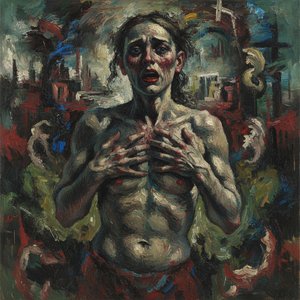
Explore the profound depth of Figurative Expressionism. From Edvard Munch to William H. Johnson, learn how masters use the human form to capture raw emotion through color and distortion in this expert art history guide.

Explore the profound emotional depth of Expressionist portraiture. From Edvard Munch to Francis Bacon, discover how masters used distortion and color to reveal inner truths. Learn about this pivotal movement and find museum-quality oil reproductions for your collection.

Explore the raw emotion and visceral power of Neo-Expressionism. From Basquiat's urban energy to the rejection of Minimalism, discover the history behind this transformative movement through our expert art guides and museum-quality reproductions.


Buďte na tahu s nejnovějšími novinkami ze světa umění, exkluzivními nabídkami a inspirativními nápady na dekoraci.
Sdělte nám více o svém projektu a naši odborníci na umění vám připraví 3 personalizované návrhy uměleckých děl.
Nechť pro vás vybereme 3 možnosti – zdarma!


 Náhled
 Sdílet
 Sdílet
 Podrobnosti o díle

 Stáhnout
 Podobné položky
 Rentgenové snímky
 Slideshow
 Zobrazit více







 Skleněná varianta je dostupná pouze u rozměrů menších než 110 cm


