x


Ručně malovaná olejná barva na plátně ve vašem zvoleném rozměru i s rámem, vyrobená našimi umělci na zakázku. ( Přepnout na tisk Přepnout na obrázek)





























Vyberte si z našich přednastavených velikostí, které odpovídají původním proporcím díla.

Můžete zadat vlastní rozměry pro konkrétní rám nebo prostor. Pokud se vámi vybraná velikost neshoduje s proporcemi původního obrazu, dílo buď ořízneme, nebo jej doplníme ručně malovanými prvky. Před zahájením výroby vám bude zaslán digitální náhled ke schválení.
Upozorňujeme, že náhled na obrazovce neodpovídá skutečnému ořezu ani rozšíření. Pouze digitální náhled přesně zobrazí finální kompozici.
Ačkoliv je možné zvolit vlastní velikost, pro zachování původních proporcí doporučujeme vybrat rozměr z předdefinovaného seznamu.
Celosvětová doprava () za 3–4 týdny namísto standardních 5 týdnů. (4 srpen). Bez kompromisů v kvalitě.


untitled (7228)
Rozměry reprodukce
Egon Schiele’s “Untitled (7228),” a stark black and white depiction of a densely populated cityscape, isn’t merely a painting; it’s a distilled essence of anxiety, mortality, and the relentless march of time. Created during his tragically short but intensely productive career – spanning from 1890 to 1918 – this work embodies the core tenets of Expressionism, capturing not just visual reality but also the emotional turmoil simmering beneath its surface. The image presents a scene dominated by towering buildings, their silhouettes punctuated by the solemnity of church spires and the subtle chaos of chimneys rising from humble dwellings. A blanket of snow covers the ground, lending an atmosphere of quiet desolation and emphasizing the cold, isolating nature of urban existence.
Schiele’s technique is immediately arresting. He employs a deliberately angular and fragmented approach to his lines, creating a sense of unease and distortion. The buildings aren't rendered with smooth, idealized forms; instead, they are jagged, almost skeletal, suggesting fragility and decay. This deliberate roughness contrasts sharply with the meticulous detail he applies to certain elements – perhaps the texture of the snow or the intricate patterns on some of the rooftops – creating a dynamic tension within the composition. The limited palette of black, white, and grey further amplifies this effect, stripping away any potential for warmth or comfort and forcing the viewer to confront the stark realities presented.
Schiele’s personal life profoundly shaped his artistic vision, and “Untitled (7228)” is deeply intertwined with themes of loss and mortality. His father's death from syphilis at a young age cast a long shadow over his existence, fueling an obsession with the fragility of human life and the inevitability of decay. This preoccupation manifests powerfully in the painting’s overall mood – a palpable sense of melancholy and impending doom. The repetitive nature of the buildings, mirroring the relentless cycle of urban life, can be interpreted as a metaphor for the cyclical nature of existence itself, constantly reminding us of our own mortality.
The image also subtly echoes Schiele's fascination with death, a recurring motif in his oeuvre. While not explicitly depicting a corpse or a funeral scene, the painting’s somber atmosphere and the suggestion of isolation evoke a sense of mourning. The stark contrast between light and shadow further contributes to this feeling of unease, as if the city itself is shrouded in grief.
Beyond its emotional impact, “Untitled (7228)” offers a fascinating study in architectural symbolism. The variety of building styles – from grand churches to modest houses – reflects the social stratification of the era and hints at the underlying tensions within urban society. The towering spires of the churches can be interpreted as symbols of authority and tradition, while the smaller dwellings represent the struggles of everyday life. The chimneys, a common feature of European cities, suggest both warmth and industry, but also the potential for pollution and decay.
Interestingly, Schiele’s early interest in trains – a motif that occasionally appears in his work – is subtly present here as well. The dense arrangement of buildings can be seen as a visual equivalent to a railway station, evoking a sense of movement, transit, and the constant flow of people through the city. This connection adds another layer of complexity to the painting’s meaning, suggesting a broader commentary on human experience and the relentless pursuit of progress.
Most-Famous-Paintings offers meticulously crafted hand-painted reproductions of Egon Schiele's “Untitled (7228),” allowing you to bring this powerfully evocative artwork into your home or office. Each reproduction is created using traditional oil painting techniques, faithfully capturing the artist’s distinctive style and emotional intensity. More than just a decorative piece, this reproduction serves as a poignant reminder of Schiele's profound insights into the human condition – a testament to the beauty and sorrow inherent in our shared experience. Explore the full artwork details here.

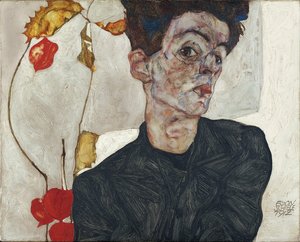
1890 - 1918 , Rakousko
Prozkoumejte sílu černé, bílé a šedé v moderním interiéru! Odborný průvodce abstraktním uměním, psychologií barev a inspirace od mistrů jako Richter a Rothko. Vytvořte sofistikovaný prostor s Most-Famous-Paintings.
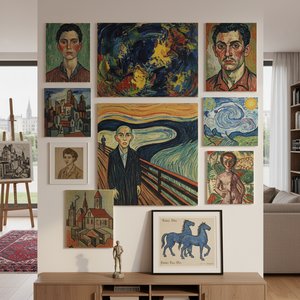
Prozkoumejte 10 ikonických děl expresionismu od Muncha, van Gogha a dalších. Objevte příběhy umělců, techniky a emoce v obrazech. Reprodukce obrazů nejvyšší kvality na Most-Famous-Paintings.com – inspirace pro váš interiér! Prohlédněte si celou kolekci online.

Explore the captivating world of Cornelis Springer (1817-1891), a Dutch master renowned for his detailed cityscapes and atmospheric paintings. Discover his life, style & available artworks at Most-Famous-Paintings.
Prozkoumejte 10 nejslavnějších obrazů ovládaných odstíny černé. Objevte příběhy za uměleckými díly, techniky a inspiraci ikonických mistrů. Reprodukce obrazů s Most-Famous-Paintings – luxusní dekorace pro váš domov. Prohlédněte si celou kolekci online!

Explore the rich history & artistic power of black and white photography. From early techniques to iconic masters like Ansel Adams, discover why monochrome continues to captivate art lovers today. Expert insights for collectors.


Buďte na tahu s nejnovějšími novinkami ze světa umění, exkluzivními nabídkami a inspirativními nápady na dekoraci.
Sdělte nám více o svém projektu a naši odborníci na umění vám připraví 3 personalizované návrhy uměleckých děl.
Nechť pro vás vybereme 3 možnosti – zdarma!


 Náhled
 Sdílet
 Sdílet
 Podrobnosti o díle

 Stáhnout
 Podobné položky
 Rentgenové snímky
 Slideshow
 Zobrazit více







 Skleněná varianta je dostupná pouze u rozměrů menších než 110 cm