x

Ručně malovaná olejná barva na plátně ve vašem zvoleném rozměru i s rámem, vyrobená našimi umělci na zakázku. ( Koupit tisk Koupit obrázek)





























Vyberte si z našich přednastavených velikostí, které odpovídají původním proporcím díla.

Můžete zadat vlastní rozměry pro konkrétní rám nebo prostor. Pokud se vámi vybraná velikost neshoduje s proporcemi původního obrazu, dílo buď ořízneme, nebo jej doplníme ručně malovanými prvky. Před zahájením výroby vám bude zaslán digitální náhled ke schválení.
Upozorňujeme, že náhled na obrazovce neodpovídá skutečnému ořezu ani rozšíření. Pouze digitální náhled přesně zobrazí finální kompozici.
Ačkoliv je možné zvolit vlastní velikost, pro zachování původních proporcí doporučujeme vybrat rozměr z předdefinovaného seznamu.
Celosvětová doprava () za 3–4 týdny namísto standardních 5 týdnů. (19 srpen). Bez kompromisů v kvalitě.


untitled (7272)
Rozměry reprodukce
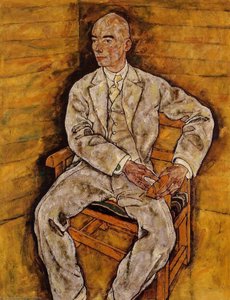
Egon Schiele's "Untitled (7272)" is not merely a depiction of a reclining figure; it’s an immersion into the raw, unsettling heart of the Expressionist soul. Painted in 1918, just months before his untimely death during World War I, this work encapsulates the artist’s profound exploration of mortality, vulnerability, and the complex dance between life and death – themes that relentlessly haunted his oeuvre. The painting immediately commands attention with its stark monochrome palette, a deliberate choice that amplifies the sense of isolation and psychological intensity. The figure, rendered in a strikingly elongated form, dominates the canvas, yet simultaneously feels incredibly intimate, as if inviting the viewer into a private moment of introspection.
Schiele’s signature style is powerfully evident in every line. Angular, expressive strokes define the body's contours, creating a sense of dynamic tension. The figure isn’t simply posed; it’s actively struggling with its own physicality, its limbs elongated and subtly distorted – a deliberate departure from realistic representation. This distortion isn’t haphazard; it serves to externalize an internal state of turmoil, reflecting Schiele’s own anxieties about his body, his sexuality, and the looming specter of war. The background is deliberately vague, almost non-existent, pushing all focus onto the central subject and intensifying the feeling of claustrophobia and vulnerability. The flattened perspective further contributes to this sense of unease, stripping away any illusion of depth or distance.
Schiele’s work is steeped in symbolism, often drawing upon personal experiences and anxieties. The nude figure itself is a recurring motif for Schiele, frequently representing themes of sexuality, vulnerability, and self-portraiture. Here, however, it transcends mere physical representation. The pose suggests a profound introspection, a grappling with the inevitability of death – a preoccupation that was particularly acute during the war years. The subtle suggestion of a closed eye hints at a dreamlike state, perhaps a descent into the subconscious where anxieties and desires collide. The presence of the partially visible hand, reaching out as if grasping for something intangible, adds another layer of interpretation: a yearning for connection, for meaning, or simply for an escape from the overwhelming weight of existence.
The artwork's texture speaks volumes about Schiele’s chosen medium – charcoal on paper. The rough, uneven surface reflects the artist’s rapid, gestural technique, conveying a sense of urgency and immediacy. The shading is masterful, skillfully modeling form and creating dramatic contrasts between light and shadow. This isn’t a polished, idealized image; it's a raw, unfiltered expression of emotion. The use of varying shades of gray – from deep blacks outlining the figure to lighter grays suggesting volume – creates a powerful sense of depth and atmosphere. The work embodies the artist’s commitment to capturing not just the appearance of his subject but also their inner life.
Additional Research: For further exploration, consider visiting the Wikipedia page on Egon Schiele, or delving into resources like the Egon Schiele Art Centrum in Český Krumlov for insights into his life and work. You can also examine a detailed reproduction of “Death and the Maiden” (1915) at Wikipedia, which offers a compelling comparison.

1890 - 1918 , Rakousko

Explore the profound history and technical mastery of charcoal art. From prehistoric origins to Renaissance chiaroscuro, learn the essential additive and subtractive techniques used by masters to capture light, shadow, and raw emotional depth in monochrome fine art.


Buďte na tahu s nejnovějšími novinkami ze světa umění, exkluzivními nabídkami a inspirativními nápady na dekoraci.
Sdělte nám více o svém projektu a naši odborníci na umění vám připraví 3 personalizované návrhy uměleckých děl.
Nechť pro vás vybereme 3 možnosti – zdarma!


 Náhled
 Sdílet
 Sdílet
 Podrobnosti o díle

 Stáhnout
 Podobné položky
 Rentgenové snímky
 Slideshow

 Zobrazit více







 Skleněná varianta je dostupná pouze u rozměrů menších než 110 cm