x

Giclée nebo plátěný tisk muzeální kvality s rychlou výrobou a flexibilními možnostmi povrchové úpravy. ( Koupit ručně malovaný obraz Koupit obrázek)





























Vyberte si z našich přednastavených velikostí, které odpovídají původním proporcím díla.

Můžete zadat vlastní rozměry tak, aby výtvor odpovídal konkrétnímu rámu nebo prostoru. Pokud zvolená velikost nebude odpovídat poměru stran původního obrazu, dílo buď ořížeme, nebo obraz rozšíříme pomocí zrcadlového efektu či jednobarevného okraje. Před zahájením výroby vám bude zaslán digitální náhled k schválení.
Mějte prosím na paměti, že náhled na obrazovce neodráží skutečné oříznutí nebo rozšíření. Pouze digitální náhled přesně zobrazí finální kompozici.
Ačkoliv jsou k dispozici i vlastní rozměry, pro zachování původních proporcí doporučujeme vybrat si rozměr z předdefinovaného seznamu.
Celosvětové doručení () do 2 týdnů namísto standardních 4/5 týdnů. (15 srpen)


untitled (7630)
Rozměry reprodukce
Egon Schiele’s “Untitled (7630),” a deceptively simple black and white composition, is far more than a depiction of a modest house with a steeple. It’s a concentrated distillation of anxiety, mortality, and the profound loneliness that permeated the artist's life and work. Created around 1912-1914, during a period of intense personal turmoil and artistic experimentation, this painting offers a haunting glimpse into Schiele’s psychological landscape – a world where architectural solidity clashes with an underlying sense of unease. The photograph itself presents a stark, almost photographic quality, emphasizing the textures of the building materials and the subtle shifts in light and shadow, lending it a timelessness that belies its intensely personal origins.
The scene is dominated by a modest dwelling, its yellow roof a small beacon of warmth against the muted tones. The presence of multiple chimneys speaks to both domesticity and perhaps a hint of confinement – a suggestion that this space, while providing shelter, also holds within it a sense of restriction. A clock hangs prominently on the wall, an insistent reminder of time’s relentless march, further amplifying the painting's themes of mortality and the fleeting nature of existence. The steeple in the background, a traditional symbol of faith and stability, seems oddly isolated, almost dwarfed by the surrounding structures, mirroring the protagonist’s own feeling of being adrift. Schiele frequently employed architectural elements to explore themes of confinement and isolation, using them as visual metaphors for the psychological states he sought to capture.
Executed in a monochrome palette, “Untitled (7630)” exemplifies Schiele’s signature style: bold, expressive lines that convey raw emotion rather than precise representation. The artist's use of line is particularly striking—thick, gestural strokes define the contours of the buildings and create a sense of dynamism within the static composition. This technique, deeply rooted in Expressionism, allows him to imbue the scene with an almost palpable feeling of tension and vulnerability. Schiele’s meticulous attention to detail, particularly in rendering the textures of the walls and roof tiles, adds another layer of complexity to the work, highlighting the contrast between the rough materiality of the buildings and the underlying emotional turmoil.
Born in Vienna in 1890, Egon Schiele’s life was tragically short, cut short by illness and war. His early exposure to loss—the deaths of his father and sister—deeply impacted his artistic vision, fueling an obsession with mortality and the fragility of human existence. “Untitled (7630)” can be interpreted as a reflection of this personal experience, capturing a sense of isolation and vulnerability that resonates powerfully across time. The painting’s quiet intensity invites viewers to contemplate the darker aspects of the human condition—the anxieties, fears, and uncertainties that lie beneath the surface of everyday life. Reproductions of this work offer a unique opportunity to engage with Schiele's intensely personal vision, allowing us to connect with his emotional world on a profound level.
To explore more about Egon Schiele’s life and art, we encourage you to visit the artwork database or discover the Egon Schiele Art Centrum in Český Krumlov.

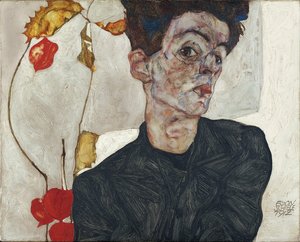
1890 - 1918 , Rakousko

Explore the profound artistry of black and white photography. From the chemistry of gelatin silver to the chiaroscuro of the Old Masters, discover how monochrome captures the eternal essence of light, form, and emotion for the discerning art collector.


Buďte na tahu s nejnovějšími novinkami ze světa umění, exkluzivními nabídkami a inspirativními nápady na dekoraci.
Sdělte nám více o svém projektu a naši odborníci na umění vám připraví 3 personalizované návrhy uměleckých děl.
Nechť pro vás vybereme 3 možnosti – zdarma!


 Náhled
 Sdílet
 Sdílet
 Podrobnosti o díle

 Stáhnout
 Podobné položky
 Rentgenové snímky
 Slideshow
 Zobrazit více







 Skleněná varianta je dostupná pouze u rozměrů menších než 110 cm