x

Ručně malovaná olejná barva na plátně ve vašem zvoleném rozměru i s rámem, vyrobená našimi umělci na zakázku. ( Přepnout na tisk Přepnout na obrázek)





























Vyberte si z našich přednastavených velikostí, které odpovídají původním proporcím díla.

Můžete zadat vlastní rozměry pro konkrétní rám nebo prostor. Pokud se vámi vybraná velikost neshoduje s proporcemi původního obrazu, dílo buď ořízneme, nebo jej doplníme ručně malovanými prvky. Před zahájením výroby vám bude zaslán digitální náhled ke schválení.
Upozorňujeme, že náhled na obrazovce neodpovídá skutečnému ořezu ani rozšíření. Pouze digitální náhled přesně zobrazí finální kompozici.
Ačkoliv je možné zvolit vlastní velikost, pro zachování původních proporcí doporučujeme vybrat rozměr z předdefinovaného seznamu.
Celosvětová doprava () za 3–4 týdny namísto standardních 5 týdnů. (8 srpen). Bez kompromisů v kvalitě.


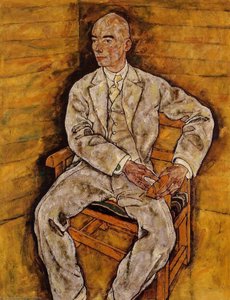
untitled (9575)
Rozměry reprodukce
Egon Schiele's "untitled (9575)" is not merely a painting; it’s an unflinching gaze into the depths of human emotion, a raw and intensely personal expression rendered with the signature boldness that defined this pivotal figure of Expressionism. Created during a period of profound upheaval – his life tragically cut short in 1918 amidst the horrors of World War I – the work embodies Schiele’s preoccupation with mortality, sexuality, and the psychological complexities of the human condition. The image depicts a woman, her features both vulnerable and defiant, presented against an undefined backdrop that amplifies the drama of her presence. Her long hair, seemingly caught in a moment of disarray, adds to the sense of immediacy and emotional turbulence.
Schiele’s distinctive style is immediately recognizable. He eschewed traditional academic techniques in favor of a highly individual approach characterized by elongated figures, distorted perspectives, and a deliberate use of line – thick, jagged strokes that seem to vibrate with energy. This particular piece showcases his mastery of capturing fleeting expressions; the subtle curve of her lips, painted with a vivid red lipstick, hints at an unspoken narrative, while her direct gaze compels the viewer into an uncomfortable yet captivating dialogue. The painting’s color palette is restrained – primarily muted tones punctuated by the striking red of her mouth – contributing to its overall sense of somber intensity.
Schiele's biography is inextricably linked to his art, and the pervasive influence of personal tragedy is palpable throughout his oeuvre. The early death of his father, a man consumed by syphilis, cast a long shadow over his childhood, shaping his artistic vision with an acute awareness of fragility and decay. Similarly, the loss of his sister Elvira at a young age fueled a deep-seated fear of mortality that he relentlessly explored through his art. This exploration isn’t simply morbid; it's intertwined with a fascination – even an embrace – of eroticism and the raw physicality of human experience. As noted in the Wikipedia article on Schiele, “The presence of death, but also the connection between death and eros in several of his works from this period, is associated with this event.”
Interestingly, the painting’s creation coincided with Schiele's military service during World War I. This tumultuous period undoubtedly informed the work’s emotional intensity, contributing to its exploration of themes like loss, vulnerability, and the unsettling juxtaposition of life and death. The influence of Gustav Klimt, a mentor figure in Schiele’s early career, is also evident – though Schiele quickly forged his own distinct path, rejecting Klimt's decorative style in favor of a more psychologically driven approach.
While the subject matter appears straightforward—a woman looking directly at the viewer—"untitled (9575)" is rich with symbolic potential. The red lipstick, a bold statement against the muted background, can be interpreted as an assertion of self, a defiant act in the face of mortality. Her slightly disheveled hair suggests a state of emotional turmoil, perhaps reflecting the anxieties and uncertainties of her time. The lack of specific context invites interpretation; we are left to project our own emotions and experiences onto the figure, creating a deeply personal connection with the artwork.
Drawing parallels to Schiele’s “Death and the Maiden” (1915), another powerful work exploring the intersection of death and eroticism, reveals a recurring thematic concern. Both paintings utilize a Renaissance motif – the contrast between death and the maiden – but imbue it with Schiele's signature intensity and psychological depth. The film adaptation of Schiele’s life, “Death and the Maiden,” further solidifies this connection, demonstrating the enduring fascination with his work.
Most-Famous-Paintings offers meticulously crafted hand-painted reproductions of Egon Schiele's "untitled (9575)," allowing you to experience the raw emotion and captivating intensity of this iconic artwork in your own space. These reproductions faithfully capture the artist’s distinctive style, utilizing traditional oil painting techniques to recreate the texture, color palette, and dynamic energy of the original. Whether you are an art collector, a design enthusiast, or simply seeking a piece that speaks to the complexities of human experience, a Most-Famous-Paintings reproduction of Schiele's portrait is a powerful addition to any collection – a testament to the enduring legacy of one of Expressionism’s most compelling figures.

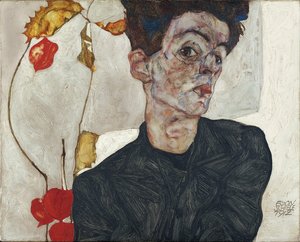
1890 - 1918 , Rakousko
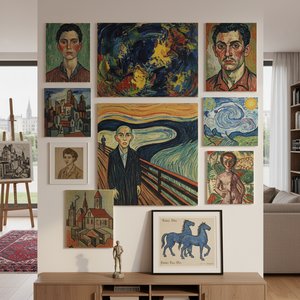
Prozkoumejte 10 ikonických děl expresionismu od Muncha, van Gogha a dalších. Objevte příběhy umělců, techniky a emoce v obrazech. Reprodukce obrazů nejvyšší kvality na Most-Famous-Paintings.com – inspirace pro váš interiér! Prohlédněte si celou kolekci online.

Explore the dramatic world of Baroque painting! Discover its history, defining characteristics, iconic artists like Caravaggio & Rubens, and lasting influence on Western art. Expert insights for collectors.

Explore the dramatic world of Baroque art! Discover iconic masters like Caravaggio & Rembrandt, their techniques, and the movement's lasting impact. Expert insights for collectors & enthusiasts at Most-Famous-Paintings.

Objevte 10 legendárních akrylových maleb na papíře, které změnily svět umění! Prozkoumejte příběhy slavných malířů a ikonické obrazy moderního a současného umění. Reprodukce obrazů pro váš interiér – Most-Famous-Paintings.cz

Explore the emotionally charged world of Egon Schiele (1890-1918). Discover his Expressionist masterpieces, psychological themes, and lasting impact on modern art. A comprehensive guide for collectors & enthusiasts.


Buďte na tahu s nejnovějšími novinkami ze světa umění, exkluzivními nabídkami a inspirativními nápady na dekoraci.
Sdělte nám více o svém projektu a naši odborníci na umění vám připraví 3 personalizované návrhy uměleckých děl.
Nechť pro vás vybereme 3 možnosti – zdarma!


 Náhled
 Sdílet
 Sdílet
 Podrobnosti o díle

 Stáhnout
 Podobné položky
 Rentgenové snímky
 Slideshow
 Zobrazit více







 Skleněná varianta je dostupná pouze u rozměrů menších než 110 cm