


x

Koupě vysoce rozlišeného, vylepšeného digitálního obrazu, který je mnohem kvalitnější než online náhled.
Každý soubor je pečlivě připraven našimi odborníky pomocí pokročilých nástrojů a expertní manuální retuše. Zajišťujeme, aby každý obraz disponoval výjimečnou ostrostí, přesnou barevnou věrností a jemnými detaily.
Finální soubor vám bude do 72 hodin zaslán e-mailem, optimalizovaný pro okamžité použití v profesionálním, redakčním i tiskovém prostředí. Nabízíme stejnou kvalitu, které důvěřují špičková designová studia, nakladatelství i galerie.
Stáhněte si soubor ve vysokém rozlišení pro osobní prohlížení, tisk a kreativní projekty. ( Koupit tisk Koupit ručně malovaný obraz)
Když si vyberete Most-Famous-Paintings.com, nezískáváte pouze obrázek – získáváte digitální umělecké dílo s profesionálně vylepšenými detaily, zpracované s precizností a podpořené zárukou za spokojenost. Zde je vše, co vaše objednávka automaticky obsahuje:

Váš digitální obraz ve vysokém rozlišení vám bude zaslán e-mailem do 72 hodin od objednávky – připraven k okamžitému použití.

Vaše umělecké dílo je profesionálně optimalizováno pomocí pokročilých nástrojů umělé inteligence a manuální úpravy, což zajišťuje maximální úroveň detailu, ostrosti a přesnosti barev.

Soubor jste omylem smazali nebo ztratili? Žádný problém – kdykoliv vám ho znovu zašleme zcela zdarma.

Užijte si své umělecké dílo okamžitě bez celních poplatků, daní nebo nákladů na dopravu – digitální stažení je vždy bez daňových povinností.

Pomocí profesionálních nástrojů a správy barev zajišťujeme, aby váš digitální obraz odrážel původní barvy co nejvěrněji.

Pokud nebudete s digitální fotografií spokojeni, provedeme její revizi nebo vám vrátíme 100% během 60 dnů – bez jakýchkoliv dotazů.

Nespokojeni? Získejte plnou částku zpět do 60 dní od přijetí vašeho digitálního souboru – bez jakýchkoliv dotazů.

Koupěte si 3 obrazy, ušetřete 10% - Koupěte si 5, ušetřete 15% - Koupěte si 10+, ušetřete 20%. Ideální pro kreativní projekty, galerie a agentury.
Domenikos Theotokopoulos, universally known as El Greco—“the Greek”—stands as one of the most singular and intensely felt figures in art history. Born in Candia (modern-day Crete) in 1541, his life was a vibrant tapestry woven from Byzantine traditions, Venetian influences, and ultimately, the fiery spirit of Spain. “The Repentant St. Peter,” painted around 1605, is not merely a depiction of a biblical scene; it’s a visceral embodiment of remorse, faith, and the profound struggle between earthly failings and divine grace—a testament to El Greco's unique ability to infuse religious subject matter with an almost unbearable emotional intensity.
The painting immediately commands attention through its dramatic use of chiaroscuro – the stark contrast between light and shadow. El Greco masterfully employs this technique, plunging the viewer into a world of deep darkness punctuated by brilliant highlights that sculpt the figure of St. Peter with startling realism. This isn’t simply an artistic choice; it mirrors the psychological drama unfolding within the scene—the overwhelming weight of guilt and the desperate yearning for redemption. The dark background, adorned with subtly rendered foliage, serves to isolate the saint, intensifying his isolation and emphasizing the gravity of his repentance.
El Greco’s distinctive style is instantly recognizable—a radical departure from the prevailing Renaissance ideals. His figures are elongated, almost impossibly so, with limbs that stretch and twist in a way that defies anatomical accuracy. This deliberate distortion isn't an error; it’s a conscious decision to convey heightened emotion and spiritual intensity. The figure of St. Peter is no longer a solid, grounded presence; he appears to be dissolving into the darkness, his body contorted in agony as he kneels in prayer. This elongated form, coupled with his flickering brushwork—a technique that creates an almost vibrating sense of movement—is a hallmark of El Greco’s oeuvre and anticipates elements of Expressionism centuries later.
The composition itself is strikingly intimate. El Greco eschews the traditional, grand scale often associated with religious paintings, opting instead for a close-up view that forces the viewer to confront St. Peter's suffering directly. This immediacy—the feeling that we are witnessing a deeply personal moment of confession—is profoundly affecting. The crossed keys, symbols of his role as the first Pope and keeper of Heaven’s gates, hang heavy with significance, representing both his past failures and his renewed commitment to faith.
“The Repentant St. Peter” is deeply rooted in the religious and artistic traditions of its time. El Greco drew heavily on Byzantine iconography, particularly the use of halos and the depiction of saints in moments of intense spiritual struggle. However, he transformed these conventions into something entirely his own—a highly personal expression of faith filtered through a uniquely tormented soul. The painting’s creation coincided with El Greco's period in Toledo, Spain, where he found a receptive audience for his emotionally charged works and established a lasting legacy. Duncan Phillips famously categorized El Greco as a “baroque way,” recognizing his stylistic innovations as precursors to both classical order and romantic emotion – a testament to the artist’s profound influence on subsequent generations of artists.
The painting's placement within The Phillips Collection, alongside works by other masters like Rembrandt and Van Gogh, highlights El Greco’s position as a pivotal figure in art history. His ability to evoke such raw emotion through his distinctive style continues to resonate with viewers today, making “The Repentant St. Peter” not just a beautiful painting but a powerful meditation on faith, guilt, and the enduring human capacity for redemption.
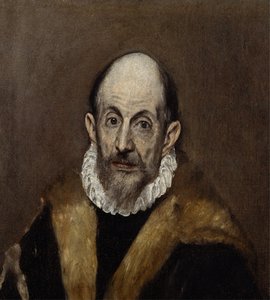
1541 - 1614 , Řecko


Buďte na tahu s nejnovějšími novinkami ze světa umění, exkluzivními nabídkami a inspirativními nápady na dekoraci.
Sdělte nám více o svém projektu a naši odborníci na umění vám připraví 3 personalizované návrhy uměleckých děl.
Nechť pro vás vybereme 3 možnosti – zdarma!


 Náhled
 Sdílet
 Sdílet
 Podrobnosti o díle

 Stáhnout
 Podobné položky
 Rentgenové snímky
 Slideshow

 Zobrazit více


