x

Ručně malovaná olejná barva na plátně ve vašem zvoleném rozměru i s rámem, vyrobená našimi umělci na zakázku. ( Přepnout na tisk Přepnout na obrázek)





























Vyberte si z našich přednastavených velikostí, které odpovídají původním proporcím díla.

Můžete zadat vlastní rozměry pro konkrétní rám nebo prostor. Pokud se vámi vybraná velikost neshoduje s proporcemi původního obrazu, dílo buď ořízneme, nebo jej doplníme ručně malovanými prvky. Před zahájením výroby vám bude zaslán digitální náhled ke schválení.
Upozorňujeme, že náhled na obrazovce neodpovídá skutečnému ořezu ani rozšíření. Pouze digitální náhled přesně zobrazí finální kompozici.
Ačkoliv je možné zvolit vlastní velikost, pro zachování původních proporcí doporučujeme vybrat rozměr z předdefinovaného seznamu.
Celosvětová doprava () za 3–4 týdny namísto standardních 5 týdnů. (9 srpen). Bez kompromisů v kvalitě.


The Resurrection
Rozměry reprodukce
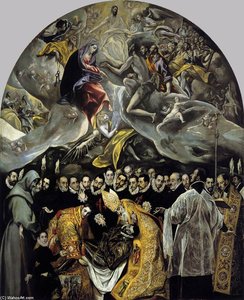
Doménikos Theotokópoulos, universally known as El Greco, remains one of the most singularly captivating figures in Western art history. His work transcends mere representation, plunging viewers into a realm of intense emotion and spiritual dynamism. “The Resurrection,” painted between 1596 and 1600 for what is believed to be the Colegio de Doña Maria in Madrid, stands as a monumental testament to his unique vision – a dramatic interpretation of one of Christianity’s most profound narratives. More than just a depiction of Christ's triumph over death, it’s an exploration of faith, movement, and the very essence of human experience.
El Greco’s style is instantly recognizable: elongated figures that seem to defy gravity, vibrant colors often applied in bold, contrasting blocks, and a masterful manipulation of light. “The Resurrection” exemplifies these hallmarks perfectly. The scene unfolds with an almost frenetic energy, capturing the moment of Christ's resurrection with breathtaking intensity. He abandons traditional Renaissance perspective, opting instead for a flattened space where figures surge forward, propelled by an unseen force. This deliberate distortion creates a sense of immediacy and urgency, drawing the viewer directly into the heart of the event.
Understanding “The Resurrection” requires considering its relationship to another equally significant work by El Greco – “The Pentecost.” These two paintings were likely intended as a pair, forming a powerful visual statement within the chapel’s design. The similarities in size and shape suggest they were positioned on opposite sides, creating a unified narrative of faith and redemption. While the exact placement remains debated, scholars believe they were situated flanking the Nativity and Baptism scenes, establishing a chronological sequence of salvation history.
Notably, El Greco deliberately stripped the scene of any conventional historical context. He eliminates the tomb itself, the landscape surrounding Jerusalem, and even any explicit references to earthly reality. This deliberate abstraction elevates the image beyond a mere historical record; instead, it becomes a universal symbol of resurrection and hope. The focus is entirely on the figures – nine in total – caught within a whirlwind of movement and light.
El Greco’s technical skill is immediately apparent in his masterful use of foreshortening, particularly evident in the figure of the soldier wearing a yellow cuirass. This dramatically elongated form not only creates visual interest but also contributes to the painting's overall sense of dynamism. The other soldiers, rendered in shades of green and brown, further emphasize this movement, their bodies contorted in reactions to the radiant light emanating from Christ.
The color palette is equally striking. El Greco employs a vibrant range of hues – brilliant yellows, deep reds, and intense blues – creating a luminous effect that seems to emanate from within the canvas. The use of chiaroscuro—the dramatic contrast between light and shadow—further intensifies the emotional impact of the scene, highlighting Christ’s divine presence while simultaneously underscoring the terror and awe experienced by those witnessing his resurrection.
Today, “The Resurrection” resides within the esteemed Museo del Prado in Madrid, a testament to its enduring artistic value. The Prado, one of the world’s premier art museums, houses an unparalleled collection spanning centuries of European art, with a particular emphasis on Spanish masters like El Greco. His work profoundly influenced generations of artists, bridging the gap between the Byzantine and Renaissance traditions while forging his own distinctive style.
El Greco's influence extends far beyond the confines of the Prado. His innovative approach to composition, color, and emotional expression continues to inspire artists and captivate audiences worldwide. “The Resurrection” stands as a powerful reminder of the enduring power of art to convey spiritual depth and universal themes – a timeless masterpiece that transcends its historical context.
“The Resurrection” by El Greco is more than just a painting; it's an experience. It’s a visceral encounter with faith, hope, and the transformative power of divine grace. For those seeking to delve deeper into the world of this extraordinary artist, we invite you to explore other notable works such as “The Pentecost,” “St. John the Evangelist,” and “The Trinity” – all available for high-quality reproduction on Most-Famous-Paintings.com. Discover the captivating artistry of El Greco and bring a piece of his visionary spirit into your own space.
Further Exploration: El Greco (Doménikos Theotokopoulos) and his other notable paintings like the Pentecost can be found on Most-Famous-Paintings. Painting by 'El Greco (Doménikos Theotokopoulos)' | El Greco (Doménikos Theotokopoulos):The Resurrection, Painting by 'El Greco (Doménikos Theotokopoulos)' | El Greco (Doménikos Theotokopoulos):Pentecost, Painting by 'El Greco (Doménikos Theotokopoulos)' | El Greco (Doménikos Theotokopoulos):St John the Evangelist, Painting by 'El Greco (Doménikos Theotokopoulos)' | El Greco (Doménikos Theotokopoulos):The Trinity, The Museum Prado (Madrid, Spain)

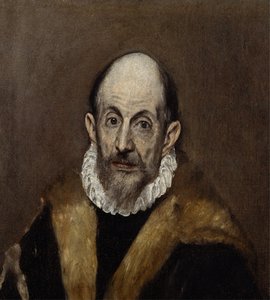
1541 - 1614 , Řecko
Explore the dramatic transition from High Renaissance harmony to Mannerist tension. Discover how masters like El Greco redefined art through distortion and spiritual intensity. An expert guide for art enthusiasts seeking deep historical context and museum-quality inspiration.

Explore the dramatic evolution of Mannerism from High Renaissance perfection to El Greco's spiritual intensity. Discover the history, techniques, and enduring legacy of this transformative era through an expert art-history lens.

Explore the dramatic evolution from Mannerist distortion to Baroque grandeur. Discover how light, shadow, and emotion redefined art history through a masterclass in technical mastery and religious fervor.


Buďte na tahu s nejnovějšími novinkami ze světa umění, exkluzivními nabídkami a inspirativními nápady na dekoraci.
Sdělte nám více o svém projektu a naši odborníci na umění vám připraví 3 personalizované návrhy uměleckých děl.
Nechť pro vás vybereme 3 možnosti – zdarma!


 Náhled
 Sdílet
 Sdílet
 Podrobnosti o díle

 Stáhnout
 Podobné položky
 Rentgenové snímky
 Slideshow

 Zobrazit více







 Skleněná varianta je dostupná pouze u rozměrů menších než 110 cm