Wishlist Nákupní košík Cart
Koupit tisk Koupit tiskKoupit digitální obrázek Koupit digitální obrázek SdíletSdílet
Podrobnosti o dílePodrobnosti o díle Přidat do oblíbených Přidat do oblíbených StáhnoutStáhnout Podobné položkyPodobné položky Rentgenové snímkyRentgenové snímky SlideshowSlideshow

Virgin Mary

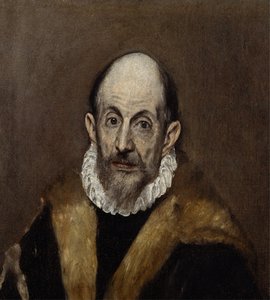
The Virgin Mary by El Greco (1585) depicts Mary wearing a blue veil and gazing into the distance, illuminated by a halo and accompanied by two books symbolizing knowledge and wisdom. This iconic painting showcases El Greco's masterful blend of Byzantine tradition with Venetian and Roman influences, resulting in a distinctive style that foreshadowed Expressionism.

Objevte dramatické dílo El Greka! Studium manýrismu & náboženských obrazů s prodlouženými postavami. Předceňující expresionismus & kubismus – prohlédněte si jeho ikonické výtvarné díla!

Ručně malovaná olejová reprodukce

Ručně malovaná olejná barva na plátně ve vašem zvoleném rozměru i s rámem, vyrobená našimi umělci na zakázku.


P118B $10
P118H $10
P118W $10
P438Z $10
P508JH $12
P508YH $12
P805H $10
P805Z $10
P919BZ $10
P919G $10
P919XJ $10
P959ZH $10
P968JZ $12
W106C $8
W218G $10
W218JH $8
W218Y $10
W307PJ $10
W316G $10
W316PJ $8
W316Y $10
W398PJ $8
W4111J $10
W500HY $15
W500JH $15
W692G $12
W849H $8
W940BG $15
W953PJ $8

Standard
custom
CM
INCH

Vyberte si z našich přednastavených velikostí, které odpovídají původním proporcím díla.

šířka
výška

Můžete zadat vlastní rozměry pro konkrétní rám nebo prostor. Pokud se vámi vybraná velikost neshoduje s proporcemi původního obrazu, dílo buď ořízneme, nebo jej doplníme ručně malovanými prvky. Před zahájením výroby vám bude zaslán digitální náhled ke schválení.
Upozorňujeme, že náhled na obrazovce neodpovídá skutečnému ořezu ani rozšíření. Pouze digitální náhled přesně zobrazí finální kompozici.
Ačkoliv je možné zvolit vlastní velikost, pro zachování původních proporcí doporučujeme vybrat rozměr z předdefinovaného seznamu.

Příklady možných změn: Nahrazení obličeje vlastní fotografií; Přidání domácího mazlíčka (např. nahrazení kočky psem); Vložení skrytého vzkazu do pozadí; Změna krajiny nebo prvků v pozadí.
Po přijetí objednávky vám tým Most-Famous-Paintings.com zašle e-mail s pokyny a poskytne náhledovou verzi.

Celosvětová doprava () za 3–4 týdny namísto standardních 5 týdnů. (18 červenec). Bez kompromisů v kvalitě.

why_choose_icon
Zdarma celosvětová expresní doprava
why_choose_icon
Vysoce kvalitní lněné plátno
why_choose_icon
Kompletní přepravní pojištění
why_choose_icon
Záruka vrácení celního poplatku
why_choose_icon
Záruka přesného barevného shodu
why_choose_icon
60denní lhůta pro vrácení zboží (pouze při vadách výroby)
why_choose_icon
100% garance vrácení peněz
why_choose_icon
Sleva při hromadné objednávce

Celková cena

-

reproduction

Virgin Mary

Technika reprodukce

Rozměry reprodukce

-

Celková cena za výběr

-

Základní informace

  • Artist: El Greco
  • Year: 1585
  • Location: Toledo Cathedral
  • Artistic style: Expressionistic
  • Dimensions: 52 x 36 cm
  • Movement: Spanish Mannerism
  • Influences: Byzantine Art

Kvíz o umění

U každé otázky je pouze jedna správná odpověď.

Otázka 1:
What is the primary subject depicted in this painting?
Otázka 2:
El Greco’s distinctive style is characterized by:
Otázka 3:
In what city was El Greco primarily active during his artistic career?
Otázka 4:
What religious tradition influenced El Greco’s early artistic training?
Otázka 5:
The halo above Mary’s head symbolizes:

Popis díla

El Greco’s Virgin Mary: A Vision of Spiritual Intensity

The painting of the Virgin Mary by El Greco – Doménikos Theotokópoulos – stands as an unparalleled testament to artistic innovation and spiritual contemplation. Completed in 1585 during his exile in Toledo, Spain, this monumental canvas transcends mere representation; it embodies a profound emotional resonance that continues to captivate audiences centuries later. Examining its stylistic choices, technical prowess, and historical significance unveils layers of meaning that illuminate the artist’s singular vision of faith and beauty.

A Style Unlike Any Other

El Greco's distinctive style – often described as Mannerist – distinguishes itself from its contemporaries through a deliberate rejection of naturalistic proportions and a preference for elongated figures rendered in vibrant hues. Rather than striving for accurate anatomical depiction, El Greco prioritized conveying spiritual emotion above all else. This approach is evident in the Virgin Mary’s posture: her torso stretches upwards, seemingly defying gravity, creating an impression of ethereal grace and transcendence. The drapery swirls around her form with dynamic movement, mirroring the inner turmoil and serenity simultaneously present within this iconic image. Critics have noted similarities to Byzantine art, particularly its stylized depiction of religious figures, yet El Greco’s style possesses a palpable energy that distinguishes it from traditional iconography.

Technique: Bold Color and Dramatic Light

The painting's execution showcases masterful technique honed over decades of artistic exploration. El Greco employed tempera paint on canvas – a medium known for its luminosity and durability – layering pigments with painstaking precision. The dominant color palette consists of deep blues and reds, punctuated by flashes of gold—particularly prominent in the halo encircling Mary’s head—creating a dramatic interplay of light and shadow that amplifies the painting's emotional impact. El Greco skillfully manipulated chiaroscuro – the contrast between light and dark – to sculpt Mary’s form and imbue the scene with an atmosphere of solemn reverence. The artist’s meticulous brushwork contributes to the textured surface of the canvas, enhancing its visual richness and conveying a sense of palpable presence.

Historical Context: Exile and Artistic Transformation

El Greco's journey to Toledo was driven by religious conviction and marked by profound personal upheaval. Forced into exile after being stripped of his papal commission in Rome due to accusations of heresy – though these charges were ultimately unfounded – El Greco sought refuge within the austere environment of the Spanish Inquisition, where he embraced Catholicism with fervent zeal. This conversion profoundly influenced his artistic output, propelling him toward a more spiritually focused aesthetic. The painting reflects this transformative experience, embodying the artist’s newfound faith and expressing his yearning for divine grace. Toledo itself served as a crucible for artistic experimentation during the Renaissance, fostering a climate of intellectual curiosity and challenging established conventions—conditions that undoubtedly nurtured El Greco's groundbreaking style.

Symbolism: Halo, Books, and Divine Revelation

The painting is replete with symbolic elements designed to communicate profound theological concepts. The halo surrounding Mary’s head symbolizes her holiness and divine sanctity – a motif borrowed directly from Byzantine tradition. Beneath her gaze lie two books, representing sacred scripture and symbolizing knowledge and wisdom bestowed upon the Virgin Mary by God. These symbols underscore the painting's central theme: divine revelation—the unveiling of God’s truth through faith and contemplation. The overall composition reinforces this message, positioning Mary as a beacon of spiritual illumination amidst an enveloping darkness – a visual metaphor for the struggle between earthly imperfection and heavenly perfection.

Emotional Impact: A Portrait of Serenity Amidst Suffering

Ultimately, El Greco's Virgin Mary transcends mere artistic representation; it communicates an enduring emotional resonance that speaks to the human condition. Despite the artist’s own personal tribulations—marked by illness and financial hardship—the painting exudes a palpable serenity—a quiet dignity born from unwavering faith. The gaze of Mary—direct yet compassionate—invites viewers into a contemplative dialogue, prompting reflection on themes of compassion, humility, and spiritual transcendence. This enduring emotional impact testifies to El Greco’s ability to capture the essence of human experience within the framework of religious iconography – cementing his legacy as one of art history's most visionary figures.

Biografie umělce

Doménikos Theotokópoulos, called El Greco

Doménikos Theotokópoulos, known to the world as El Greco – “the Greek” – was a painter whose life and work defied easy categorization. Born in Crete, Greece (1541), his artistic journey took him through Venice and Rome before finding its ultimate expression in the spiritual heartland of Spain: Toledo. El Greco wasn’t merely a product of these places; he synthesized their influences into something wholly unique, a style that anticipated the emotional intensity of Expressionism and the fragmented forms of Cubism centuries later. His early training within the Byzantine tradition instilled in him a meticulous attention to detail and a profound understanding of religious iconography. This foundation, however, wouldn’t confine him. He signed his works in Greek, often appending “Krḗs” – Cretan – as a proud declaration of his origins, even as he ventured into new artistic territories. The seeds of his distinctive style were sown not just in technique but also in the fervent religious climate of his homeland and the rich tapestry of Venetian art.

Early Years: Venice and Rome

El Greco’s formative years were spent in Venice around 1567, where he immersed himself in the vibrant artistic scene dominated by titans like Titian, Tintoretto, and Veronese. He diligently studied their mastery of color, composition, and dramatic lighting—skills that would profoundly shape his future endeavors. Recognizing the importance of mastering Western Renaissance techniques, El Greco absorbed their influence, adapting them to his own distinctive vision. His Venetian training resulted in early works such as *Saint Sebastian* (1600), where anatomical detail blends seamlessly with an almost theatrical use of light and shadow—a testament to his ability to fuse Byzantine precision with Venetian dynamism. Subsequently, he traveled to Rome, encountering Mannerism – a style characterized by elongated forms, distorted perspectives, and sophisticated compositions. While he demonstrated considerable talent in the competitive Roman art world, El Greco struggled to gain widespread recognition due to stylistic differences from prevailing tastes of the time. Despite these challenges, his exposure to Mannerist principles undoubtedly broadened his artistic horizons.

A Style Unlike Any Other

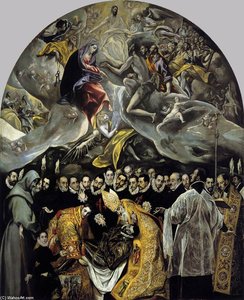
El Greco’s artistic style is instantly recognizable – and utterly captivating. His figures are often dramatically elongated, their bodies stretched and contorted in poses that convey a sense of spiritual ecstasy or profound anguish. This isn't mere stylistic affectation; it’s an attempt to depict the unseen, the emotional and spiritual realities that lie beyond the surface of things. He masterfully employed color – not necessarily realistic color, but vibrant, often unnatural hues – to heighten the emotional impact of his work. Dramatic lighting, with stark contrasts between light and shadow, creates a theatrical effect, drawing the viewer into the heart of the scene. *The Burial of the Count of Orgaz* (1586-1588), considered his masterpiece, exemplifies these qualities perfectly. The painting depicts a miraculous event – the descent of saints to bury a pious nobleman – with remarkable realism in the portrayal of contemporary figures juxtaposed against ethereal, elongated forms representing divine intervention. He blended Byzantine traditions with Italian Renaissance techniques, forging a style that was both innovative and deeply personal. His later works became increasingly mystical, reflecting his own profound religious beliefs and a growing detachment from conventional artistic norms.

Toledo: The Flowering of Genius

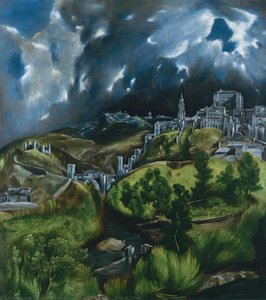
El Greco’s relocation to Toledo in 1577 marked a pivotal moment in his artistic career—a move that coincided with the rise of Counter-Reformation fervor and provided him with an environment conducive to exploring his spiritual convictions. Here, he received significant commissions from churches and monasteries, securing patronage from influential figures like Diego de Castilla, Archbishop of Toledo. This support enabled him to produce some of his most celebrated paintings, including *Saint Martin and the Beggar* (1597/1599), *St. Peter in Tears* (1582), and *The Holy Family with Saint Anne and the Infant John the Baptist* (c. 1595/1600). These works demonstrate El Greco’s masterful command of composition, color, and expressive gesture—characteristics that solidified his reputation as one of Spain's foremost artists. Notably, *View of Toledo* (1596-1600) stands apart from his other paintings due to its landscape genre—a rare departure from religious iconography for El Greco—yet it captures the essence of Toledo with an almost visionary quality.

Legacy and Rediscovery

El Greco’s artistic legacy extends far beyond his lifetime, influencing generations of artists who recognized him as a precursor to modern art movements like Expressionism and Cubism. His distinctive style—characterized by elongated figures, intense emotion, and dramatic lighting—resonated with artists seeking new ways to convey psychological depth and spiritual experience. Furthermore, El Greco’s pioneering use of color and perspective challenged conventional artistic norms, paving the way for groundbreaking innovations in visual art. Although largely overlooked by art historians during the 19th century, El Greco experienced a resurgence of interest in the 20th century thanks to the recognition of artists like Picasso and Braque who admired his stylistic originality. Today, El Greco is revered as one of Spain’s greatest painters—a visionary artist whose work continues to inspire awe and contemplation with its profound spiritual resonance and unparalleled artistic brilliance.
El Greco

El Greco

1541 - 1614 , Řecko

Rychlé fakta

  • Artistic Movement Or Style: Mannerismus, Baroko
  • Artists Who Influenced This Artist:
    • Titian
    • Tintoretto
  • Date Of Birth: 1541
  • Full Name: Doménikos Theotokópoulos
  • Nationality: Řek
  • Notable Artworks:
    • The Burial of the Count of Orgaz
    • View of Toledo
    • El Espolio
    • St. Sebastian
  • Place Of Birth: Crete, Greece
Prozkoumejte umělecká díla uspořádaná podle témat, stylů a charakteristik.