x

Giclée nebo plátěný tisk muzeální kvality s rychlou výrobou a flexibilními možnostmi povrchové úpravy. ( Koupit ručně malovaný obraz Koupit obrázek)
Vyberte si z našich přednastavených velikostí, které odpovídají původním proporcím díla.

Můžete zadat vlastní rozměry tak, aby výtvor odpovídal konkrétnímu rámu nebo prostoru. Pokud zvolená velikost nebude odpovídat poměru stran původního obrazu, dílo buď ořížeme, nebo obraz rozšíříme pomocí zrcadlového efektu či jednobarevného okraje. Před zahájením výroby vám bude zaslán digitální náhled k schválení.
Mějte prosím na paměti, že náhled na obrazovce neodráží skutečné oříznutí nebo rozšíření. Pouze digitální náhled přesně zobrazí finální kompozici.
Ačkoliv jsou k dispozici i vlastní rozměry, pro zachování původních proporcí doporučujeme vybrat si rozměr z předdefinovaného seznamu.
Celosvětové doručení () do 2 týdnů namísto standardních 4/5 týdnů. (18 srpen)


Dancer and Reclining Man
Rozměry reprodukce
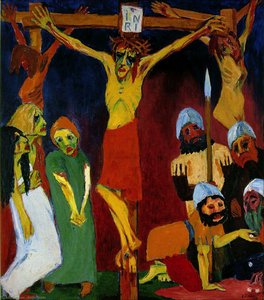
“Dancer and Reclining Man,” created by Emil Nolde around 1938-1945, is a striking example of his mature Expressionist style. This artwork isn’t merely a depiction of two figures; it's an exploration of human emotion and psychological depth conveyed through bold colors, simplified forms, and dynamic brushwork. Nolde, a key figure in the German Expressionist movement and initially associated with Die Brücke, sought to express inner feelings rather than represent external reality faithfully. This piece exemplifies that pursuit.
The composition is deliberately simple yet powerful. The dancer dominates the scene, positioned centrally and slightly elevated above a reclining man. This arrangement creates a sense of immediacy and draws the viewer's eye directly to the interaction between these two figures. Nolde employs a vibrant color palette dominated by yellows, purples, blues, and greens. Yellow is used extensively on both figures, creating a striking contrast against the cooler tones of the background. The loose application of paint, likely using watercolor or gouache, contributes to the artwork’s raw energy. Lines are not precisely defined; instead, they are suggested through brushstrokes and color transitions, blurring the outlines of the figures and enhancing their expressive quality. Angular lines further amplify the sense of movement and dynamism within the composition.
Created during a turbulent period in German history – the years leading up to and including World War II – “Dancer and Reclining Man” carries an undercurrent of emotional intensity. While the exact meaning remains open to interpretation, the distorted forms and bold colors suggest underlying tensions or anxieties. The dancer’s energetic pose contrasts with the reclining man's relaxed state, potentially symbolizing a duality between action and contemplation, performance and repose. Nolde himself faced persecution by the Nazi regime, who deemed his work "degenerate art," and banned him from painting. Despite this adversity, he continued to create, often in secret, producing works like this one that resonate with profound emotional depth.
“Dancer and Reclining Man” is a testament to Emil Nolde’s unique artistic vision. It encapsulates the core tenets of Expressionism – prioritizing subjective experience and emotional expression over realistic representation. This artwork, with its bold colors, simplified forms, and raw energy, continues to captivate viewers and serves as a powerful reminder of the artist's ability to convey complex emotions through visual language. Owning a hand-painted reproduction allows you to bring this evocative piece into your home or office, experiencing firsthand the emotional power of Nolde’s Expressionist masterpiece.


1867 - 1956 , Německo

Explore the profound history of Expressionism. From Edvard Munch to Jackson Pollock, discover how artists used distortion and color to convey raw emotion. A definitive guide for art lovers seeking deep historical context and mastery in fine art reproductions.

Explore the profound history of Surrealist Expressionism. Discover how artists blended dream logic with raw emotion to navigate post-war trauma through masterful, evocative imagery and psychological depth.


Buďte na tahu s nejnovějšími novinkami ze světa umění, exkluzivními nabídkami a inspirativními nápady na dekoraci.
Sdělte nám více o svém projektu a naši odborníci na umění vám připraví 3 personalizované návrhy uměleckých děl.
Nechť pro vás vybereme 3 možnosti – zdarma!


 Náhled
 Sdílet
 Sdílet
 Podrobnosti o díle

 Stáhnout
 Podobné položky
 Rentgenové snímky
 Slideshow
 Zobrazit více




































 Skleněná varianta je dostupná pouze u rozměrů menších než 110 cm