x

Ručně malovaná olejná barva na plátně ve vašem zvoleném rozměru i s rámem, vyrobená našimi umělci na zakázku. ( Koupit tisk Koupit obrázek)





























Vyberte si z našich přednastavených velikostí, které odpovídají původním proporcím díla.

Můžete zadat vlastní rozměry pro konkrétní rám nebo prostor. Pokud se vámi vybraná velikost neshoduje s proporcemi původního obrazu, dílo buď ořízneme, nebo jej doplníme ručně malovanými prvky. Před zahájením výroby vám bude zaslán digitální náhled ke schválení.
Upozorňujeme, že náhled na obrazovce neodpovídá skutečnému ořezu ani rozšíření. Pouze digitální náhled přesně zobrazí finální kompozici.
Ačkoliv je možné zvolit vlastní velikost, pro zachování původních proporcí doporučujeme vybrat rozměr z předdefinovaného seznamu.
Celosvětová doprava () za 3–4 týdny namísto standardních 5 týdnů. (17 srpen). Bez kompromisů v kvalitě.


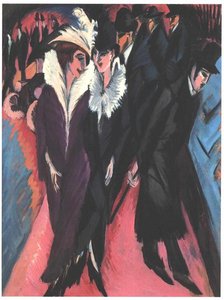
Berlin Street
Rozměry reprodukce
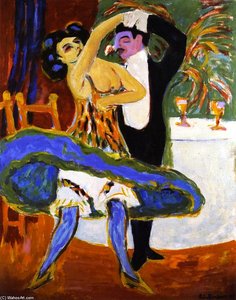
Ernst Ludwig Kirchner’s “Berlin Street” – painted in 1913, a pivotal year before the eruption of World War I – isn't merely a depiction of a city scene; it’s a visceral embodiment of urban anxiety and alienation. This oil on canvas, now housed within the Neue Galerie in New York, plunges us directly into the heart of Berlin’s burgeoning modernity, a period marked by rapid industrialization, social upheaval, and a growing sense of displacement. Kirchner, a founding member of the influential Die Brücke group, masterfully captures this unsettling atmosphere through a deliberate distortion of reality – a hallmark of Expressionism that sought to convey subjective emotional experience rather than objective representation.
Kirchner’s use of color is anything but naturalistic. He abandons traditional palettes in favor of a deliberately jarring combination of reds, blues, blacks, and purples – colors that vibrate with intensity and contribute significantly to the painting's emotional charge. These aren’t blended or softened; they are applied in bold, gestural strokes, creating a textured surface that feels both rough and alive. The clashing hues evoke a sense of unease, mirroring the psychological turmoil at the heart of the scene. Notice how the pinkish skin tones of the figures stand out against the darker background, further amplifying this feeling of dissonance.
The color palette isn’t meant to be beautiful in a conventional sense; it's designed to provoke and unsettle, reflecting the anxieties of a rapidly changing world.Kirchner’s technique is characterized by direct application of paint – an impasto effect where thick layers of pigment are built up on the canvas. These visible brushstrokes aren't simply decorative; they become integral to the painting’s expressive power. The energetic, fragmented lines define the figures’ forms while simultaneously contributing to a sense of visual chaos. The distortion of perspective and the skewed angles create an unsettling feeling of disorientation, mirroring the experience of navigating a crowded, impersonal city.
“Berlin Street” is more than just a cityscape; it’s a meditation on the human condition in the face of modernity. The painting speaks to themes of alienation, isolation, and the dehumanizing effects of urban life – concerns that resonated deeply with Kirchner and his contemporaries. The blurred faces, the anonymous crowd, and the overall sense of unease suggest a loss of connection and a feeling of being adrift within a vast, impersonal world. It’s a powerful reminder of the psychological toll exacted by the relentless pace of industrialization and the erosion of traditional values.

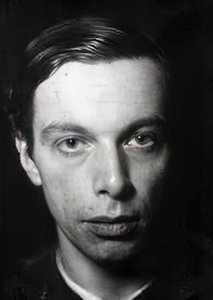
1880 - 1938 , Německo

Explore the visceral power of German Expressionism. From Ernst Ludwig Kirchner to Die Brücke, discover how bold colors and distorted forms unmask raw human emotion in this expert art history guide for collectors and enthusiasts.

Explore the raw energy of Jean-Michel Basquiat and the Neo-Expressionist movement. Discover how urban rebellion and SAMO© transformed 1980s New York art history through deep academic insight and visual analysis.


Buďte na tahu s nejnovějšími novinkami ze světa umění, exkluzivními nabídkami a inspirativními nápady na dekoraci.
Sdělte nám více o svém projektu a naši odborníci na umění vám připraví 3 personalizované návrhy uměleckých děl.
Nechť pro vás vybereme 3 možnosti – zdarma!


 Náhled
 Sdílet
 Sdílet
 Podrobnosti o díle

 Stáhnout
 Podobné položky
 Rentgenové snímky
 Slideshow

 Zobrazit více







 Skleněná varianta je dostupná pouze u rozměrů menších než 110 cm