


x

 ChalkExpressionism
 1938Modern
 47.0 x 34.0 cm
Ručně malovaná olejná barva na plátně ve vašem zvoleném rozměru i s rámem, vyrobená našimi umělci na zakázku. ( Koupit tisk Koupit obrázek)





























Vyberte si z našich přednastavených velikostí, které odpovídají původním proporcím díla.

Můžete zadat vlastní rozměry pro konkrétní rám nebo prostor. Pokud se vámi vybraná velikost neshoduje s proporcemi původního obrazu, dílo buď ořízneme, nebo jej doplníme ručně malovanými prvky. Před zahájením výroby vám bude zaslán digitální náhled ke schválení.
Upozorňujeme, že náhled na obrazovce neodpovídá skutečnému ořezu ani rozšíření. Pouze digitální náhled přesně zobrazí finální kompozici.
Ačkoliv je možné zvolit vlastní velikost, pro zachování původních proporcí doporučujeme vybrat rozměr z předdefinovaného seznamu.
Celosvětová doprava () za 3–4 týdny namísto standardních 5 týdnů. (23 srpen). Bez kompromisů v kvalitě.


Self-portrait
Rozměry reprodukce
Ernst Ludwig Kirchner (1880-1938) was a pivotal figure in the German Expressionist movement, specifically within Die Brücke ("The Bridge"). Founded in Dresden in 1905, Die Brücke aimed to bridge the gap between traditional art and modern life. Alongside artists like Erich Heckel and Karl Schmidt-Rottluff, Kirchner sought to express raw emotion and subjective experience through bold colors, distorted forms, and unconventional perspectives. Expressionism itself was a reaction against the perceived materialism and complacency of bourgeois society, seeking instead to convey inner turmoil and psychological states.
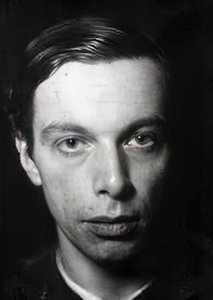
This self-portrait exemplifies Kirchner's signature style. The use of chalk on canvas creates a textured surface that enhances the emotional intensity. Notice the stark contrast between light and shadow, which emphasizes the subject’s features and contributes to a sense of drama. The composition is tightly cropped, focusing primarily on Kirchner’s face and upper torso. This close-up view intensifies the feeling of intimacy and vulnerability. The angular lines and simplified forms are characteristic of Expressionism, rejecting realistic representation in favor of conveying emotional truth. The purple shirt adds a touch of vibrancy against the muted background, drawing attention to the artist's gaze.
The self-portrait is not merely a likeness; it’s a profound exploration of Kirchner’s inner world. His enigmatic facial expression invites contemplation – is it weariness, anxiety, or introspection? The direct gaze engages the viewer, creating a sense of connection and shared experience. Created in 1938, shortly before Kirchner's tragic suicide amidst the rising tide of Nazism, the painting carries a palpable weight of despair and foreboding. It reflects a period of immense personal and political upheaval in Germany. The work can be interpreted as a symbolic representation of an artist grappling with his own mortality and the encroaching darkness of the era.
Kirchner's self-portrait is particularly significant within the context of German history. The rise of Nazism led to the persecution of Expressionist artists, whose work was deemed "degenerate." Kirchner’s suicide in 1938 underscored the devastating impact of this cultural repression. Today, his works are celebrated for their emotional power and artistic innovation, offering a poignant glimpse into the soul of an artist confronting profound personal and societal challenges. This self-portrait remains a powerful testament to the enduring legacy of Expressionism and its ability to convey universal human emotions.

1880 - 1938 , Německo

Explore the visceral power of German Expressionism. From Ernst Ludwig Kirchner to Die Brücke, discover how bold colors and distorted forms unmask raw human emotion in this expert art history guide for collectors and enthusiasts.


Buďte na tahu s nejnovějšími novinkami ze světa umění, exkluzivními nabídkami a inspirativními nápady na dekoraci.
Sdělte nám více o svém projektu a naši odborníci na umění vám připraví 3 personalizované návrhy uměleckých děl.
Nechť pro vás vybereme 3 možnosti – zdarma!


 Náhled
 Sdílet
 Sdílet
 Podrobnosti o díle

 Stáhnout
 Podobné položky
 Rentgenové snímky
 Slideshow
 Zobrazit více







 Skleněná varianta je dostupná pouze u rozměrů menších než 110 cm


