x

 Koupit tisk Koupit digitální obrázek
 Sdílet
 Podrobnosti o díle
 Přidat do oblíbených
 Stáhnout
 Podobné položky
 Rentgenové snímky
 Slideshow
Ručně malovaná olejná barva na plátně ve vašem zvoleném rozměru i s rámem, vyrobená našimi umělci na zakázku.





























Vyberte si z našich přednastavených velikostí, které odpovídají původním proporcím díla.

Můžete zadat vlastní rozměry pro konkrétní rám nebo prostor. Pokud se vámi vybraná velikost neshoduje s proporcemi původního obrazu, dílo buď ořízneme, nebo jej doplníme ručně malovanými prvky. Před zahájením výroby vám bude zaslán digitální náhled ke schválení.
Upozorňujeme, že náhled na obrazovce neodpovídá skutečnému ořezu ani rozšíření. Pouze digitální náhled přesně zobrazí finální kompozici.
Ačkoliv je možné zvolit vlastní velikost, pro zachování původních proporcí doporučujeme vybrat rozměr z předdefinovaného seznamu.
Celosvětová doprava () za 3–4 týdny namísto standardních 5 týdnů. (18 červenec). Bez kompromisů v kvalitě.


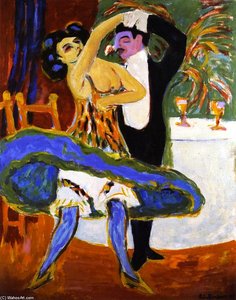
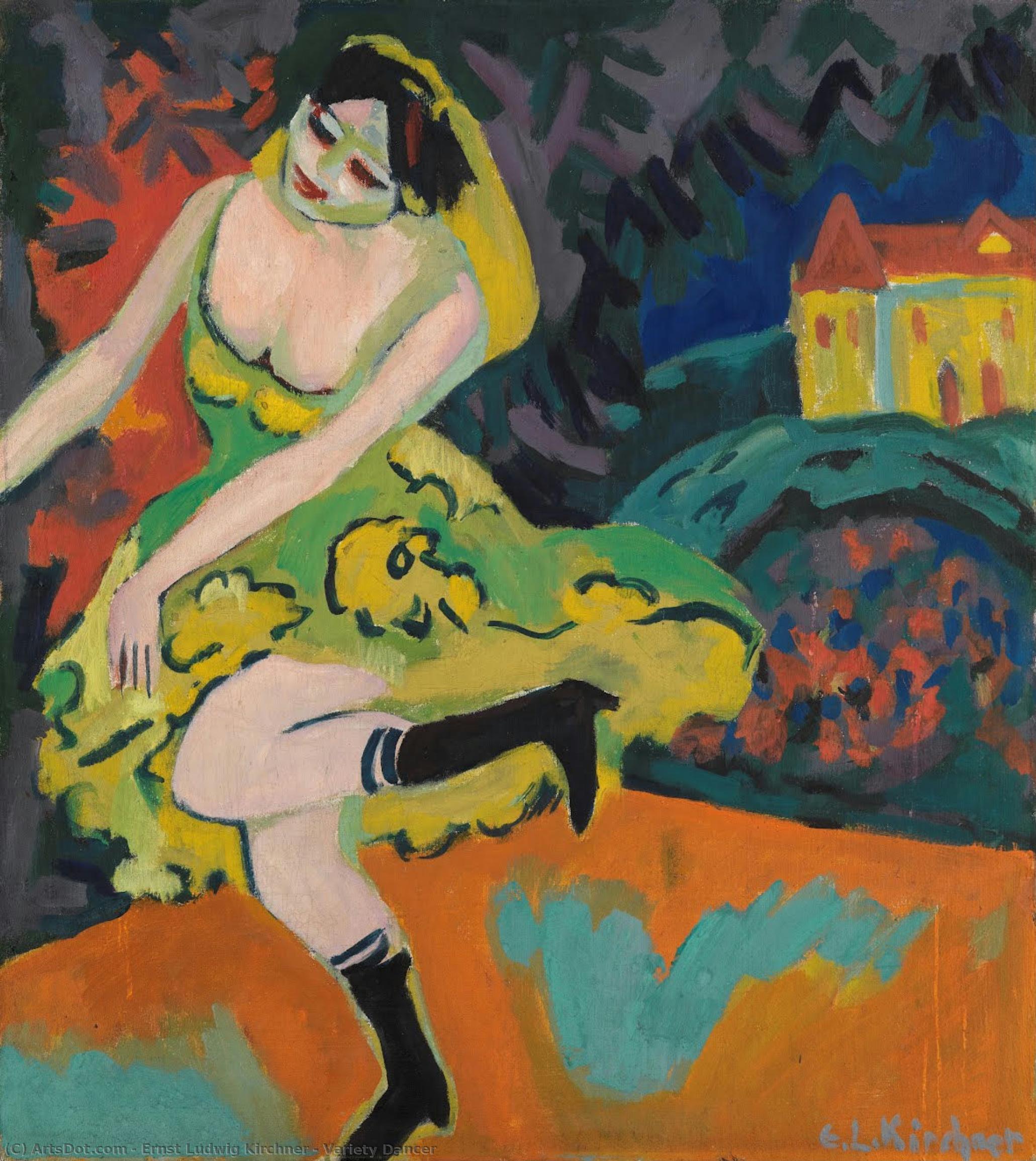
Variety Dancer
Rozměry reprodukce
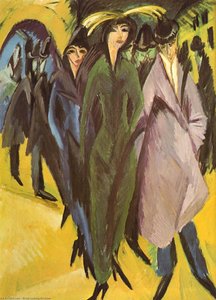
Ernst Ludwig Kirchner's 1913 painting, “Street, Berlin,” isn’t merely a depiction of a city street; it’s a visceral embodiment of the anxieties and alienation simmering beneath the surface of early 20th-century urban life. Painted during a period of immense social and political upheaval – just months before the outbreak of World War I – the work captures a moment of frenetic energy, yet simultaneously conveys a profound sense of isolation and disorientation. Kirchner, a key figure in the German Expressionist movement, sought to move beyond traditional representational art, aiming instead to express inner emotional states through bold color, distorted forms, and fragmented perspectives. “Street, Berlin” exemplifies this ambition, offering a glimpse into a world where individual identity is swallowed by the overwhelming mass of humanity.
Kirchner's approach to depicting reality was radically different from that of his predecessors. He deliberately distorted forms – faces are rendered as simplified masks, bodies are elongated and compressed – not for aesthetic reasons, but to amplify the emotional impact of the scene. The figures aren’t portraits; they’re embodiments of psychological states. Notice how the women in the foreground, bathed in a sickly yellow light, seem detached and preoccupied, their gazes averted. Their clothing—a vibrant purple dress juxtaposed against the muted tones of the surrounding men—hints at a subtle tension, a potential for connection amidst the chaos.
Technique: Kirchner utilized techniques characteristic of Expressionism: flattened perspective, exaggerated colors, and loose brushwork to create an immediate and emotionally charged response in the viewer. He prioritized conveying feeling over accurate representation, resulting in a powerfully subjective experience.Berlin in 1913 was a city undergoing rapid transformation – industrialization, immigration, and social unrest were reshaping its landscape and challenging traditional values. Kirchner’s “Street, Berlin” reflects this turbulent atmosphere. The painting can be interpreted as a commentary on the dehumanizing effects of urban life, where individuals are reduced to anonymous figures lost in the crowd. The painting was created during a period when German Expressionism was gaining momentum, reacting against the perceived superficiality and complacency of bourgeois society. Kirchner’s work, along with that of his fellow Brücke artists, sought to expose the darker side of modernity – its anxieties, alienation, and potential for violence.
The Brücke Group: Kirchner was a founding member of Die Brücke (The Bridge), an influential group of Expressionist painters who aimed to break away from academic traditions and explore new forms of artistic expression. The group’s name reflected their desire to connect the past with the present, drawing inspiration from both German Romanticism and contemporary avant-garde movements.Beyond its immediate depiction of a bustling street scene, “Street, Berlin” is rich in symbolic meaning. The overwhelming number of figures suggests a sense of anonymity and isolation – individuals lost within the collective. The fragmented composition mirrors the fractured state of modern identity, where traditional values are being eroded by the forces of industrialization and urbanization. The painting’s unsettling atmosphere evokes a feeling of unease and foreboding, hinting at the impending doom that would engulf Europe in World War I. It's a powerful meditation on the human condition in an age of rapid change and profound uncertainty.

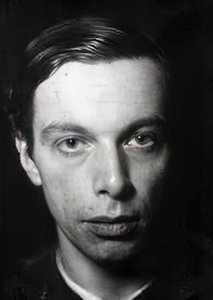
1880 - 1938 , Německo

Prozkoumejte 25 ikonických děl z Metropolitního muzea v New Yorku! Objevte příběhy Van Gogha, Moneta a dalších mistrů. Reprodukce obrazů pro váš interiér na Most-Famous-Paintings.com.

Prozkoumejte 25 ikonických obrazů Alfreda Jamese Munnings, mistra koní a anglického impresionismu. Obdivujte realistické krajinomalby, jezdecké scény a válečné obrazy. Reprodukce a luxusní dekorace na Most-Famous-Paintings.com! Prohlédněte si celou sbírku online.
Prozkoumejte top 25 děl Egona Schieleho – mistra expresionismu. Obdivujte portréty, akvarely a kresby plné emocí a psychologické hloubky. Reprodukce obrazů s Most-Famous-Paintings pro váš interiér. Discover all masterpieces on Most-Famous-Paintings.com
Objevte 25 ikonických děl Národní galerie umění ve Washingtonu! Prozkoumejte příběhy Cézanna, Matisse a Picassa. Inspirace pro váš interiér s reprodukcemi obrazů nejvyšší kvality na Most-Famous-Paintings.com.

Prozkoumejte 25 ikonických děl Claude Moneta – mistra impresionismu. Obdivujte vodní lilie, krajiny a secesní obrazy plné světla a barev. Najděte inspiraci pro váš interiér s reprodukcemi nejvyšší kvality na Most-Famous-Paintings.com


Buďte na tahu s nejnovějšími novinkami ze světa umění, exkluzivními nabídkami a inspirativními nápady na dekoraci.
Sdělte nám více o svém projektu a naši odborníci na umění vám připraví 3 personalizované návrhy uměleckých děl.
Nechť pro vás vybereme 3 možnosti – zdarma!


 Sdílet


 Zobrazit více







 Skleněná varianta je dostupná pouze u rozměrů menších než 110 cm