


x

 Oil On CanvasWallArtCloisonnism
 1898
1898 24.0 x 33.0 cm
 Baltimore Museum of Art
Giclée nebo plátěný tisk muzeální kvality s rychlou výrobou a flexibilními možnostmi povrchové úpravy. ( Koupit ručně malovaný obraz Koupit obrázek)





























Vyberte si z našich přednastavených velikostí, které odpovídají původním proporcím díla.

Můžete zadat vlastní rozměry tak, aby výtvor odpovídal konkrétnímu rámu nebo prostoru. Pokud zvolená velikost nebude odpovídat poměru stran původního obrazu, dílo buď ořížeme, nebo obraz rozšíříme pomocí zrcadlového efektu či jednobarevného okraje. Před zahájením výroby vám bude zaslán digitální náhled k schválení.
Mějte prosím na paměti, že náhled na obrazovce neodráží skutečné oříznutí nebo rozšíření. Pouze digitální náhled přesně zobrazí finální kompozici.
Ačkoliv jsou k dispozici i vlastní rozměry, pro zachování původních proporcí doporučujeme vybrat si rozměr z předdefinovaného seznamu.
Celosvětové doručení () do 2 týdnů namísto standardních 4/5 týdnů. (20 srpen)


The Lie
Rozměry reprodukce
Felix Vallotton's "The Lie," painted in 1898, isn’t merely a depiction of a couple embracing; it’s a carefully constructed tableau brimming with unspoken tension and the subtle dance between truth and deception. This oil on artist’s board, measuring 24 x 33 cm and currently residing within the Baltimore Museum of Art's Cone Wing, exemplifies Vallotton’s mastery of Cloisonnism – a style characterized by bold outlines defining shapes and colors, creating a strikingly flat and graphic effect. The painting immediately draws the eye to the central figures, a man and woman locked in passionate embrace on a plush couch within a richly colored room dominated by shades of red. Vallotton’s deliberate use of color isn't about realism; instead, it amplifies the mood, creating an atmosphere both seductive and unsettling.
Vallotton’s signature style is evident in every brushstroke. The figures are rendered with simplified forms, their bodies outlined in stark black lines that delineate their shapes against the vibrant background. This technique, central to Cloisonnism, creates a sense of detachment, almost as if viewing a carefully staged photograph. The composition itself is meticulously balanced – the couple occupies the visual center, while three smaller figures positioned in the background offer glimpses into another room, subtly suggesting a larger narrative and adding depth without disrupting the primary focus. The arrangement feels deliberately controlled, mirroring the calculated nature of the scene’s central mystery.
"The Lie" has been interpreted in numerous ways, primarily revolving around the theme of deception. The title itself is a potent clue, immediately raising questions about the sincerity of the couple’s embrace. Are they truly lost in love, or is there something hidden beneath the surface? The red room, often associated with passion and desire, could also symbolize danger and temptation. The small figures in the background might represent witnesses to this clandestine encounter, further emphasizing the sense of secrecy and potential betrayal. Vallotton masterfully avoids offering a definitive answer, instead inviting viewers to contemplate the ambiguity and grapple with the complexities of human relationships.
Vallotton’s work emerged during the *fin de siècle*, a period marked by social upheaval, artistic experimentation, and a growing sense of disillusionment. Artists like Vallotton were rejecting traditional academic styles in favor of more modern approaches, exploring new techniques and subject matter. His use of flattened forms, bold colors, and simplified compositions aligned with the broader trends of Impressionism and Post-Impressionism, particularly Neo-Impressionism, which emphasized the use of pure color to create visual sensations. “The Lie” stands as a testament to this era’s fascination with psychology, social dynamics, and the exploration of hidden emotions – themes that would continue to resonate throughout 20th-century art.
Vallotton's work is available for high-quality reproductions through various reputable sources. Consider a hand-painted reproduction to truly capture the essence of this captivating masterpiece, bringing its enigmatic atmosphere into your home or office space.


1865 - 1925 , Švýcarsko
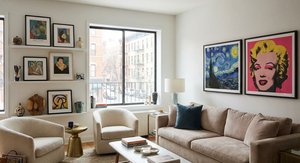
Prozkoumejte 25 ikonických děl z MoMA v New Yorku! Obrazy Van Gogha, Picassa a Warhola ožívají. Inspirace pro moderní dekorace interiéru a luxusní reprodukce umění na Most-Famous-Paintings.com.
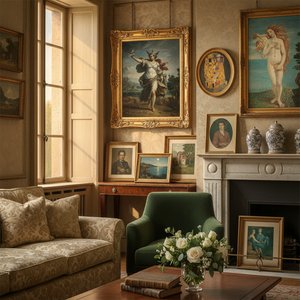
Prozkoumejte 10 ikonických děl romantismu od Caspara Davida Friedricha po Gustava Klimta. Objevte příběhy umělců, techniky a emoce v obrazech. Reprodukce obrazů nejvyšší kvality pro váš interiér na Most-Famous-Paintings.cz
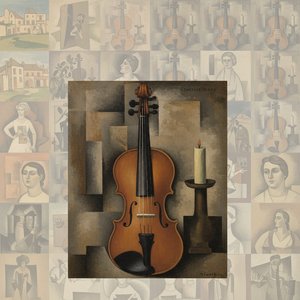
Prozkoumejte 25 ikonických děl Georges Braque, průkopníka kubismu. Objevte příběhy za obrazy, techniky a inspiraci tohoto francouzského mistra. Reprodukce obrazů v nejvyšší kvalitě na Most-Famous-Paintings.com.

Explore the revolutionary photography of Félix Nadar – pioneer of portraiture, aerial imaging & psychological depth. Discover his iconic portraits of Baudelaire, Hugo & more. A deep dive into 19th-century art history.

Prozkoumejte 10 ikonických uměleckých děl, které vyjadřují hluboké romantické emoce. Objevte příběhy Moneta, Renoir a dalších mistrů. Luxusní reprodukce obrazů pro váš interiér na Most-Famous-Paintings.com!


Buďte na tahu s nejnovějšími novinkami ze světa umění, exkluzivními nabídkami a inspirativními nápady na dekoraci.
Sdělte nám více o svém projektu a naši odborníci na umění vám připraví 3 personalizované návrhy uměleckých děl.
Nechť pro vás vybereme 3 možnosti – zdarma!


 Náhled
 Sdílet
 Sdílet
 Podrobnosti o díle

 Stáhnout
 Podobné položky
 Rentgenové snímky
 Slideshow
 Zobrazit více







 Skleněná varianta je dostupná pouze u rozměrů menších než 110 cm


