x

 Acrylic On CanvasWallArtBiedermeier
 1834
1834 25.0 x 31.0 cm
 Státní Ermitáž
Ručně malovaná olejná barva na plátně ve vašem zvoleném rozměru i s rámem, vyrobená našimi umělci na zakázku. ( Koupit tisk Koupit obrázek)





























Vyberte si z našich přednastavených velikostí, které odpovídají původním proporcím díla.

Můžete zadat vlastní rozměry pro konkrétní rám nebo prostor. Pokud se vámi vybraná velikost neshoduje s proporcemi původního obrazu, dílo buď ořízneme, nebo jej doplníme ručně malovanými prvky. Před zahájením výroby vám bude zaslán digitální náhled ke schválení.
Upozorňujeme, že náhled na obrazovce neodpovídá skutečnému ořezu ani rozšíření. Pouze digitální náhled přesně zobrazí finální kompozici.
Ačkoliv je možné zvolit vlastní velikost, pro zachování původních proporcí doporučujeme vybrat rozměr z předdefinovaného seznamu.
Celosvětová doprava () za 3–4 týdny namísto standardních 5 týdnů. (15 srpen). Bez kompromisů v kvalitě.


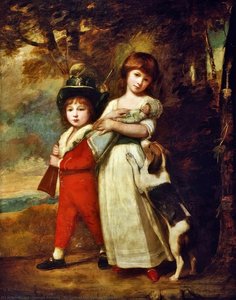
Children
Rozměry reprodukce
Ferdinand Georg Waldmüller's "Children," painted in 1834, isn’t merely a portrait; it’s a carefully constructed tableau of quiet dignity and poignant observation. The painting captures two young girls returning home from school along a winding path, bathed in the soft, diffused light characteristic of the Biedermeier style – an artistic movement deeply rooted in the appreciation of nature and the celebration of everyday life. Waldmüller, a pivotal figure within this aesthetic, eschewed grand historical or mythological subjects, instead focusing on scenes that offered glimpses into the lives of ordinary people, reflecting a shift away from the formal conventions of earlier art movements.
The scene unfolds with remarkable detail and restraint. The girls, rendered with an almost photographic precision, are dressed in simple, modest attire – a pink dress for one and a white one for the other – their faces conveying a sense of weariness mingled with contentment. Their clasped hands suggest a shared experience, a silent understanding forged through the journey home. The composition is deliberately balanced, drawing the eye along the path towards the distant, hazy mountains—a subtle reminder of the vastness and beauty beyond their immediate world. Waldmüller’s meticulous attention to texture – the rough fabric of their dresses, the worn earth beneath their feet – grounds the scene in a tangible reality.
To understand “Children,” one must appreciate the broader context of the Biedermeier period. Following the tumultuous years of the Napoleonic Wars and the subsequent Restoration, there was a desire for a return to simplicity and sincerity in art. Artists like Waldmüller sought inspiration in the natural world, rejecting the elaborate ornamentation and dramatic narratives favored by earlier styles. The Biedermeier aesthetic valued intimacy, domesticity, and the beauty of the commonplace. Waldmüller’s work embodies this philosophy perfectly; he doesn't attempt to elevate or idealize his subjects but rather presents them with honesty and respect.
The use of *plein air* painting – working directly from nature – was central to the Biedermeier approach, allowing artists to capture the subtle nuances of light and atmosphere. Waldmüller’s ability to render the soft, diffused light filtering through the trees is particularly striking, creating a sense of warmth and tranquility. The muted color palette—dominated by earthy tones and gentle blues—further enhances this effect, contributing to the painting's overall mood of quiet contemplation.
While seemingly straightforward, “Children” is rich in symbolic meaning. The girls’ journey home represents not just a return from school but also a transition into adulthood—a subtle acknowledgement of the challenges and responsibilities that lie ahead. The path itself can be interpreted as a metaphor for life's journey, with its twists and turns, its moments of hardship and joy. The distant mountains symbolize hope and possibility, suggesting that even in the face of adversity, there is always something to strive for.
Beyond its symbolic layers, “Children” evokes a powerful sense of empathy and nostalgia. Waldmüller’s masterful use of light and shadow, combined with his sensitive portrayal of the girls' expressions, creates an emotional connection that transcends time and place. The painting speaks to our shared humanity—to the simple pleasures of childhood, the bonds of family, and the enduring beauty of the natural world.
Reproduced on high-quality canvas or paper, “Children” offers a captivating addition to any interior space. The painting’s serene atmosphere and evocative imagery create a sense of calm and tranquility—making it an ideal choice for bedrooms, living rooms, or studies. Consider framing the artwork in a classic wooden frame to complement its Biedermeier aesthetic, or opt for a more contemporary minimalist design to create a striking contrast.
Ferdinand Georg Waldmüller’s “Children” remains a testament to the power of art to capture the essence of human experience. It is a timeless masterpiece that continues to resonate with viewers today, inviting us to pause and reflect on the simple joys of life and the enduring beauty of the natural world.


1793 - 1865 , Rakousko

Explore the profound history and technical brilliance of oil on panel painting. From Renaissance masters to modern techniques, discover why this rigid support offers unparalleled precision and permanence for fine art lovers and collectors.


Buďte na tahu s nejnovějšími novinkami ze světa umění, exkluzivními nabídkami a inspirativními nápady na dekoraci.
Sdělte nám více o svém projektu a naši odborníci na umění vám připraví 3 personalizované návrhy uměleckých děl.
Nechť pro vás vybereme 3 možnosti – zdarma!


 Náhled
 Sdílet
 Sdílet
 Podrobnosti o díle

 Stáhnout
 Podobné položky
 Rentgenové snímky
 Slideshow
 Zobrazit více







 Skleněná varianta je dostupná pouze u rozměrů menších než 110 cm