


x

Ručně malovaná olejná barva na plátně ve vašem zvoleném rozměru i s rámem, vyrobená našimi umělci na zakázku. ( Koupit tisk Koupit obrázek)





























Vyberte si z našich přednastavených velikostí, které odpovídají původním proporcím díla.

Můžete zadat vlastní rozměry pro konkrétní rám nebo prostor. Pokud se vámi vybraná velikost neshoduje s proporcemi původního obrazu, dílo buď ořízneme, nebo jej doplníme ručně malovanými prvky. Před zahájením výroby vám bude zaslán digitální náhled ke schválení.
Upozorňujeme, že náhled na obrazovce neodpovídá skutečnému ořezu ani rozšíření. Pouze digitální náhled přesně zobrazí finální kompozici.
Ačkoliv je možné zvolit vlastní velikost, pro zachování původních proporcí doporučujeme vybrat rozměr z předdefinovaného seznamu.
Celosvětová doprava () za 3–4 týdny namísto standardních 5 týdnů. (24 srpen). Bez kompromisů v kvalitě.


Mural, mural or composition, or abstract composition
Rozměry reprodukce
Fernand Léger's untitled abstract composition, a vibrant explosion of color and geometric shapes, offers a compelling window into the heart of early 20th-century modernism. Executed with a bold confidence that reflects the burgeoning industrial age, this artwork transcends mere decoration; it’s a profound statement about humanity’s relationship with technology and the evolving landscape of visual expression. The painting's immediate impact lies in its dynamic arrangement – circles punctuate a field of intense hues, while polygons ground the composition with their deliberate placement. This isn’t simply random color; it’s a carefully orchestrated dialogue between organic forms and machine-like precision, a hallmark of Léger’s artistic philosophy.
Léger's work emerged from a pivotal moment in art history, directly following his groundbreaking 1915 painting, *Nude*, which shocked the Parisian art world with its depiction of a figure fragmented into geometric shapes. This radical departure from traditional representation paved the way for Léger’s own exploration of abstraction, but crucially, he didn't simply reject figuration; he sought to reinterpret it through the lens of modern technology. Influenced by the burgeoning industrial landscape – the factories, trains, and machines that were transforming Europe – Léger aimed to capture the essence of this new era in his art. His work can be seen as a visual embodiment of the machine age, reflecting both its power and its potential impact on human form.
Historical Context: The painting was created during a period of rapid industrialization and technological advancement, profoundly impacting artistic thought and practice. Léger’s work reflects this shift, anticipating later developments in Constructivism and Suprematism.Léger's technique is characterized by its bold application of paint and a deliberate avoidance of smooth blending. The colors are applied with a forceful energy, creating a sense of movement and dynamism within the composition. While seemingly abstract, there’s a clear underlying structure – a carefully considered balance between positive and negative space, and a masterful manipulation of color to create depth and visual interest. Léger often employed a technique he called “pointillé,” using small dots of color to build up layers of texture and form, contributing to the painting's vibrant intensity. The use of polygons suggests a deliberate attempt to mimic the precise lines and angles found in machine construction.
Beyond its formal qualities, Léger’s abstract mural carries significant symbolic weight. The circles, often associated with wholeness and unity, are juxtaposed against the angularity of the polygons, creating a tension that reflects the inherent conflict between organic life and mechanical forces. The overall effect is one of both fascination and unease – a recognition of the transformative power of technology while acknowledging its potential disruption of traditional values. This artwork invites viewers to contemplate humanity’s place in an increasingly mechanized world, prompting questions about progress, identity, and the future.

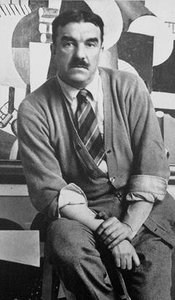
1881 - 1955 , Francie

Explore the profound impact of Minimalism and Geometric Abstraction. From Mondrian to Malevich, discover how stripping art to its essential forms revolutionized modern aesthetics through our expert-led historical guide.


Buďte na tahu s nejnovějšími novinkami ze světa umění, exkluzivními nabídkami a inspirativními nápady na dekoraci.
Sdělte nám více o svém projektu a naši odborníci na umění vám připraví 3 personalizované návrhy uměleckých děl.
Nechť pro vás vybereme 3 možnosti – zdarma!


 Náhled
 Sdílet
 Sdílet
 Podrobnosti o díle

 Stáhnout
 Podobné položky
 Rentgenové snímky
 Slideshow

 Zobrazit více







 Skleněná varianta je dostupná pouze u rozměrů menších než 110 cm


