


x

 Acrylic On CanvasWallArtSurrealism
 1952Modern
 24.0 x 28.0 cm
Ručně malovaná olejná barva na plátně ve vašem zvoleném rozměru i s rámem, vyrobená našimi umělci na zakázku. ( Koupit tisk Koupit obrázek)





























Vyberte si z našich přednastavených velikostí, které odpovídají původním proporcím díla.

Můžete zadat vlastní rozměry pro konkrétní rám nebo prostor. Pokud se vámi vybraná velikost neshoduje s proporcemi původního obrazu, dílo buď ořízneme, nebo jej doplníme ručně malovanými prvky. Před zahájením výroby vám bude zaslán digitální náhled ke schválení.
Upozorňujeme, že náhled na obrazovce neodpovídá skutečnému ořezu ani rozšíření. Pouze digitální náhled přesně zobrazí finální kompozici.
Ačkoliv je možné zvolit vlastní velikost, pro zachování původních proporcí doporučujeme vybrat rozměr z předdefinovaného seznamu.
Celosvětová doprava () za 3–4 týdny namísto standardních 5 týdnů. (23 srpen). Bez kompromisů v kvalitě.


Rooster and logs
Rozměry reprodukce
Fernand Léger's 1952 painting, “Rooster and Logs,” is a captivating exploration of form and the burgeoning influence of the machine age on artistic expression. Executed during a period of significant transition for Léger – moving beyond his earlier Cubist explorations towards a more overtly expressive style – this work embodies his fascination with industrial geometry and its integration into everyday life. Measuring 24 x 28 cm, the painting’s compact scale belies the powerful visual statement it makes. The immediate impact is dominated by the vibrant red of the rooster, a bold focal point that commands attention against the stark black background. This deliberate contrast immediately evokes associations with machinery – the polished surfaces of engines and the fiery intensity of combustion – key elements in Léger’s evolving aesthetic.
While often categorized as Surrealist due to its dreamlike quality and unexpected juxtapositions, “Rooster and Logs” reveals a deeper engagement with Léger's own unique vision. The painting’s creation in 1952 aligns it within the broader context of Surrealism’s exploration of the subconscious, yet Léger resists pure abstraction. Instead, he employs simplified geometric forms – evident in the stylized depiction of the rooster and the blocky representation of the logs – to convey a sense of mechanized movement and structure. The inclusion of seemingly mundane objects—the scissors and pipe—further amplifies this symbolism, transforming them into visual metaphors for tools and instruments within an increasingly industrialized world. These elements aren’t merely decorative; they actively contribute to the painting's narrative about humanity’s relationship with technology.
Léger’s technique in “Rooster and Logs” is characterized by a deliberate flatness of picture plane, a hallmark of his mature style. The application of paint is broad and gestural, creating a textured surface that emphasizes the physicality of the forms. The use of black as a dominant background color isn't simply a stylistic choice; it serves to heighten the impact of the red rooster, pushing it forward in the composition and reinforcing its symbolic importance. The arrangement of the elements – the rooster perched atop the logs, with the scissors and pipe strategically placed—creates a dynamic tension within the frame, drawing the viewer’s eye across the canvas and inviting contemplation about the interplay between nature and industry.
Created in 1952, “Rooster and Logs” reflects Fernand Léger’s long and influential career. Having begun his artistic journey in Argentan, Normandy, he rose to prominence within the Parisian avant-garde, developing a distinctive style that blended Cubist principles with an acute awareness of modern technology. His work anticipated many of the concerns surrounding industrialization and its impact on human experience, making him a crucial figure in the transition from early 20th-century abstraction to later developments in art. This painting stands as a testament to his enduring fascination with form, color, and the evolving relationship between man and machine – a legacy that continues to resonate within contemporary art discourse.
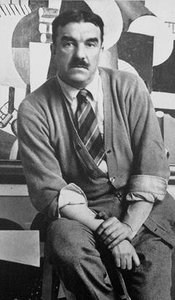
1881 - 1955 , Francie
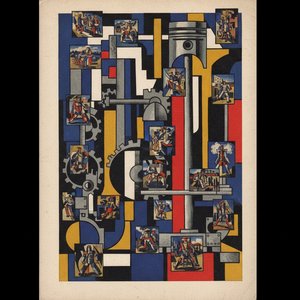
Prozkoumejte 25 ikonických děl Fernanda Légera – průkopníka kubismu a tubismu. Objevte příběhy za obrazy strojového věku, avantgardy a barevné abstrakce. Reprodukce v muzeální kvalitě na Most-Famous-Paintings.cz. Pro inspiraci i luxusní dekorace.

Explore the art of transforming spaces with our comprehensive guide to wall decor. From historical movements to contemporary trends, discover how to curate impactful interiors and commission bespoke artwork for a truly personalized aesthetic.

Prozkoumejte 10 ikonických děl, která zachycují sílu a estetiku průmyslové revoluce. Od Monetových továren po realistické scény Maneta – objevte příběhy umění na Most-Famous-Paintings.com. Reprodukce obrazů pro váš interiér!
Objevte návrat nástěnné malby jako luxusního prvku interiéru. Průvodce technikami, historickým kontextem a inspirací pro hotely a designéry. Kvalitní provedení a dlouhodobá hodnota.

Transform your home into a breathtaking dreamscape with expert surrealist decor tips. Discover how to curate Salvador Dalí-inspired masterpieces, integrate symbolic textures, and commission bespoke hand-painted oil reproductions that bring the magic of the subconscious to your walls.


Buďte na tahu s nejnovějšími novinkami ze světa umění, exkluzivními nabídkami a inspirativními nápady na dekoraci.
Sdělte nám více o svém projektu a naši odborníci na umění vám připraví 3 personalizované návrhy uměleckých děl.
Nechť pro vás vybereme 3 možnosti – zdarma!


 Náhled
 Sdílet
 Sdílet
 Podrobnosti o díle

 Stáhnout
 Podobné položky
 Rentgenové snímky
 Slideshow
 Zobrazit více







 Skleněná varianta je dostupná pouze u rozměrů menších než 110 cm


