


x

Ručně malovaná olejná barva na plátně ve vašem zvoleném rozměru i s rámem, vyrobená našimi umělci na zakázku. ( Koupit tisk Koupit obrázek)





























Vyberte si z našich přednastavených velikostí, které odpovídají původním proporcím díla.

Můžete zadat vlastní rozměry pro konkrétní rám nebo prostor. Pokud se vámi vybraná velikost neshoduje s proporcemi původního obrazu, dílo buď ořízneme, nebo jej doplníme ručně malovanými prvky. Před zahájením výroby vám bude zaslán digitální náhled ke schválení.
Upozorňujeme, že náhled na obrazovce neodpovídá skutečnému ořezu ani rozšíření. Pouze digitální náhled přesně zobrazí finální kompozici.
Ačkoliv je možné zvolit vlastní velikost, pro zachování původních proporcí doporučujeme vybrat rozměr z předdefinovaného seznamu.
Celosvětová doprava () za 3–4 týdny namísto standardních 5 týdnů. (15 srpen). Bez kompromisů v kvalitě.


The Big Parade
Rozměry reprodukce
Fernand Léger's 1954 painting, "The Big Parade," is more than just a depiction of a group gathering; it’s a vibrant manifesto of the modern age. Captured with bold colors and dynamic lines in a distinctive Cubist style, the artwork pulsates with an energy that reflects Léger’s fascination with industrialization and its impact on human experience. The scene unfolds with at least thirteen figures arranged in a lively tableau, some clustered closely together, others dispersed across the canvas, creating a sense of controlled chaos – a visual representation of urban life in the mid-20th century.
Born Joseph Fernand Henri Léger in 1881 in Argentan, Normandy, Léger’s artistic journey was profoundly shaped by his upbringing amidst the rural landscapes of France. This early exposure to physical labor – particularly farming – provided a crucial counterpoint to his later fascination with machines and industrial forms. He initially studied architecture but quickly transitioned to painting, driven by a desire to translate the visual language of the machine age onto canvas. Léger wasn't simply depicting machinery; he was attempting to capture its essence—its power, its geometry, and its transformative influence on human society.
Léger’s work reflects a broader cultural shift occurring in Europe during the early 20th century. The rise of industrialization, urbanization, and technological advancements were fundamentally altering people's lives, and Léger sought to visually represent these changes through his distinctive artistic style. His paintings are often described as “machine-made,” reflecting his belief that art should reflect the realities of modern life.
"The Big Parade" resonates with a powerful emotional impact, conveying a sense of both excitement and unease. The fragmented figures suggest a loss of individual identity within the mass society, while their collective presence hints at a shared experience—a feeling of belonging or perhaps even alienation. Léger’s bold use of color and dynamic composition creates a visually stimulating experience that invites viewers to contemplate the complexities of modern life.
The painting's enduring appeal lies in its ability to capture a pivotal moment in human history – the transition from rural traditions to an increasingly mechanized world. It is a testament to Léger’s artistic vision and his willingness to embrace the challenges and opportunities presented by modernity, making "The Big Parade" a significant work within the canon of 20th-century art.

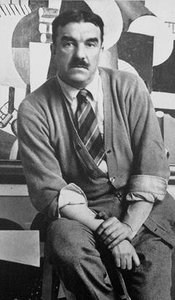
1881 - 1955 , Francie

Elevate your design projects with Most-Famous-Paintings's premium canvas prints and hand-painted reproductions. Discover affordable, museum-quality wall decor delivered worldwide, offering freelance decorators professional excellence, archival durability, and bespoke customization for every space.


Buďte na tahu s nejnovějšími novinkami ze světa umění, exkluzivními nabídkami a inspirativními nápady na dekoraci.
Sdělte nám více o svém projektu a naši odborníci na umění vám připraví 3 personalizované návrhy uměleckých děl.
Nechť pro vás vybereme 3 možnosti – zdarma!


 Náhled
 Sdílet
 Sdílet
 Podrobnosti o díle

 Stáhnout
 Podobné položky
 Rentgenové snímky
 Slideshow

 Zobrazit více







 Skleněná varianta je dostupná pouze u rozměrů menších než 110 cm


