


x


 Preview
 Koupit tisk Koupit digitální obrázek
 Sdílet
 Podrobnosti o díle
 Přidat do oblíbených
 Stáhnout
 Podobné položky
 Rentgenové snímky
 Slideshow
Ručně malovaná olejná barva na plátně ve vašem zvoleném rozměru i s rámem, vyrobená našimi umělci na zakázku.





























Vyberte si z našich přednastavených velikostí, které odpovídají původním proporcím díla.

Můžete zadat vlastní rozměry pro konkrétní rám nebo prostor. Pokud se vámi vybraná velikost neshoduje s proporcemi původního obrazu, dílo buď ořízneme, nebo jej doplníme ručně malovanými prvky. Před zahájením výroby vám bude zaslán digitální náhled ke schválení.
Upozorňujeme, že náhled na obrazovce neodpovídá skutečnému ořezu ani rozšíření. Pouze digitální náhled přesně zobrazí finální kompozici.
Ačkoliv je možné zvolit vlastní velikost, pro zachování původních proporcí doporučujeme vybrat rozměr z předdefinovaného seznamu.
Celosvětová doprava () za 3–4 týdny namísto standardních 5 týdnů. (25 červenec). Bez kompromisů v kvalitě.


The green tree
Rozměry reprodukce
Fernand Léger’s “The Green Tree,” painted in 1932, stands as a cornerstone of Tubism—a radical departure from Cubism that solidified Léger's position as one of the foremost champions of machine age aesthetics. More than just a depiction of foliage, this artwork embodies Léger’s profound conviction that art could capture not merely what is seen but also what *feels* like – the pulsating energy and geometric precision inherent in industrial processes.
Léger initially honed his skills in architecture before gravitating towards painting around 1900, immersing himself in Parisian artistic circles. Unlike many of his contemporaries who sought refuge in abstraction as a reaction to representational art, Léger actively embraced it as a tool for conveying the dynamism and structural logic of the burgeoning industrial landscape. This fascination stemmed from his formative years spent laboring on farms in Normandy—a stark contrast that fueled his desire to translate the physicality of rural life into visual terms.
Tubism, developed alongside Picasso, represents Léger’s most distinctive contribution to Cubist innovation. Rejecting the fragmentation characteristic of traditional Cubism, Tubism prioritized simplified geometric forms – circles, squares, and triangles – arranged in overlapping planes that suggested movement and vibration. Léger famously declared that he wished to “paint like a machine,” aiming to distill the essence of industrial production into an aesthetically compelling visual language.
“The Green Tree” exemplifies this Tubist ethos with remarkable clarity. The dominant green hue isn’t merely descriptive; it pulsates with implied energy, mirroring the rhythmic repetition of leaf shapes and branches. The central yellow circle acts as a focal point, disrupting the geometric grid and injecting warmth into the composition—a subtle nod to the incandescent glow of factory lamps.
Beyond its formal brilliance, “The Green Tree” carries symbolic weight. Léger’s deliberate simplification of natural forms speaks to his belief that art could transcend mere imitation, capturing underlying principles of order and rhythm. The tree itself symbolizes resilience and growth—themes resonant with the optimistic spirit of the era, as humanity navigated the transformative challenges posed by industrial expansion.
The painting resides in the Kunstmuseum Den Haag’s collection (Object Number: 0335238), a testament to Léger's enduring influence on artistic thought. Its vibrant colors and striking geometric forms continue to inspire interior designers and collectors alike, securing its place as an iconic masterpiece of modern art.
Further research can be found at AKG Images and Gandalf’s Gallery.
Kunstmuseum Den Haag – Long Term Loan Private Collection offers detailed information about the artwork's provenance and artistic significance.

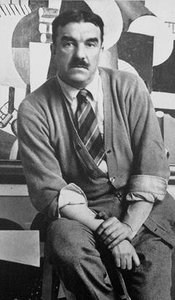
1881 - 1955 , Francie

Explore Orphism, the vibrant abstract art movement pioneered by Robert & Sonia Delaunay. Discover its unique color theory, lasting influence on modern art, and how to bring this 'symphony of color' into your home with Most-Famous-Paintings.
Prozkoumejte 10 ikonických děl kubismu od Picassa, Braquea a dalších. Objevte příběhy za slavnými obrazy, techniky a inspiraci pro váš interiér s reprodukcemi nejvyšší kvality na Most-Famous-Paintings.cz. Inspirujte se uměním!

Objevte revoluční vliv kubismu na design moderních vil! Průvodce integrací avantgardního umění, právní aspekty reprodukce a tipy pro luxusní interiéry. Inspirujte se a vytvořte jedinečný prostor s Most-Famous-Paintings.

Explore the evolution of geometric abstraction from Cubism to contemporary art. Discover key artists like Malevich & Mondrian, investment insights, and expert collecting advice at Most-Famous-Paintings.
Prozkoumejte 10 ikonických děl geometrické abstrakce od Mondriana, Maleviče a Kandinského. Objevte příběhy umělců, techniky a historii tohoto revolučního hnutí. Najděte inspiraci pro moderní dekorace a luxusní reprodukce obrazů na Most-Famous-Paintings.com.


Buďte na tahu s nejnovějšími novinkami ze světa umění, exkluzivními nabídkami a inspirativními nápady na dekoraci.
Sdělte nám více o svém projektu a naši odborníci na umění vám připraví 3 personalizované návrhy uměleckých děl.
Nechť pro vás vybereme 3 možnosti – zdarma!


 Sdílet


 Zobrazit více







 Skleněná varianta je dostupná pouze u rozměrů menších než 110 cm


