


x

Ručně malovaná olejná barva na plátně ve vašem zvoleném rozměru i s rámem, vyrobená našimi umělci na zakázku. ( Koupit tisk Koupit obrázek)





























Vyberte si z našich přednastavených velikostí, které odpovídají původním proporcím díla.

Můžete zadat vlastní rozměry pro konkrétní rám nebo prostor. Pokud se vámi vybraná velikost neshoduje s proporcemi původního obrazu, dílo buď ořízneme, nebo jej doplníme ručně malovanými prvky. Před zahájením výroby vám bude zaslán digitální náhled ke schválení.
Upozorňujeme, že náhled na obrazovce neodpovídá skutečnému ořezu ani rozšíření. Pouze digitální náhled přesně zobrazí finální kompozici.
Ačkoliv je možné zvolit vlastní velikost, pro zachování původních proporcí doporučujeme vybrat rozměr z předdefinovaného seznamu.
Celosvětová doprava () za 3–4 týdny namísto standardních 5 týdnů. (14 srpen). Bez kompromisů v kvalitě.


The Moulin Rouge
Rozměry reprodukce
Fernand Léger's “The Moulin Rouge” is not merely a depiction of a Parisian cabaret; it’s a vibrant, pulsating embodiment of the early 20th century’s fascination with industrialization and its impact on human form. Painted around 1923, this artwork captures a fleeting moment of performance within the iconic setting of the Moulin Rouge, yet Léger's distinctive style transcends simple representation, offering instead a powerful meditation on movement, geometry, and the burgeoning spirit of modernity. The painting’s subject – a woman in striking yellow attire – is rendered with an almost sculptural quality, her elongated neck and large head echoing the rigid lines and mechanical forms that would become hallmarks of Léger's oeuvre. This isn’t a portrait in the traditional sense; it’s an exploration of how human figures were being perceived and reimagined through the lens of a rapidly changing world.
“The Moulin Rouge” reflects Léger’s broader artistic concerns, which were deeply intertwined with the rise of industrialization and its influence on human life. The woman's pose, reminiscent of a dancer or performer, can be interpreted as a symbol of humanity adapting to – and perhaps even being shaped by – the mechanical forces of the modern age. The handbag, a small detail, adds another layer of intrigue, suggesting both practicality and the potential for consumerism within this new environment. Léger was profoundly interested in the relationship between humans and machines, believing that artists could find beauty and meaning in the forms of industry.
Created during a period of immense social and technological change, “The Moulin Rouge” aligns with Léger’s broader engagement with Cubism and Constructivism. While influenced by Picasso and Braque, Léger developed his own distinct style, characterized by its emphasis on geometric abstraction and its exploration of industrial forms. This painting represents a crucial moment in the development of modern art, demonstrating how artists were responding to the challenges and opportunities presented by the machine age. It’s a testament to Léger's vision that he managed to translate the raw energy of the industrial landscape into a powerfully expressive work of art.

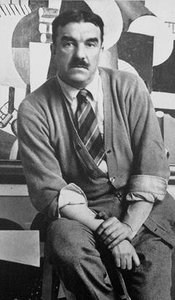
1881 - 1955 , Francie
Explore the profound emotional depth of Lyrical Abstraction. Discover how masters like Raymond Parker used color and form to bridge Impressionism and Abstract Expressionism. Learn about this pivotal movement through our expert-led art history guide.

Explore the profound emotional depth of Color Field painting. Discover the history of mid-century abstraction, from Rothko to Newman, and learn how pure color transforms the viewer's experience through our expert art history guide.


Buďte na tahu s nejnovějšími novinkami ze světa umění, exkluzivními nabídkami a inspirativními nápady na dekoraci.
Sdělte nám více o svém projektu a naši odborníci na umění vám připraví 3 personalizované návrhy uměleckých děl.
Nechť pro vás vybereme 3 možnosti – zdarma!


 Náhled
 Sdílet
 Sdílet
 Podrobnosti o díle

 Stáhnout
 Podobné položky
 Rentgenové snímky
 Slideshow
 Zobrazit více







 Skleněná varianta je dostupná pouze u rozměrů menších než 110 cm


