


x

Giclée nebo plátěný tisk muzeální kvality s rychlou výrobou a flexibilními možnostmi povrchové úpravy. ( Koupit ručně malovaný obraz Koupit obrázek)





























Vyberte si z našich přednastavených velikostí, které odpovídají původním proporcím díla.

Můžete zadat vlastní rozměry tak, aby výtvor odpovídal konkrétnímu rámu nebo prostoru. Pokud zvolená velikost nebude odpovídat poměru stran původního obrazu, dílo buď ořížeme, nebo obraz rozšíříme pomocí zrcadlového efektu či jednobarevného okraje. Před zahájením výroby vám bude zaslán digitální náhled k schválení.
Mějte prosím na paměti, že náhled na obrazovce neodráží skutečné oříznutí nebo rozšíření. Pouze digitální náhled přesně zobrazí finální kompozici.
Ačkoliv jsou k dispozici i vlastní rozměry, pro zachování původních proporcí doporučujeme vybrat si rozměr z předdefinovaného seznamu.
Celosvětové doručení () do 2 týdnů namísto standardních 4/5 týdnů. (18 srpen)


The part of Chart
Rozměry reprodukce
Fernand Léger stands as a singular voice within the tumultuous landscape of early twentieth-century art, resisting the prevailing trend toward abstraction while simultaneously forging a path towards its expressive potential. Born Joseph Fernand Henri Léger in Argentan, Normandy, in 1881, his formative years amidst rural traditions provided a crucial counterpoint to the burgeoning industrial revolution that would irrevocably reshape European culture and profoundly influence his artistic vision.
"The Part of Chart," completed in 1917, exemplifies Léger's Tubist aesthetic with remarkable clarity. The painting depicts a group of figures seated on the ground amidst bicycles—a scene deliberately devoid of realistic detail but brimming with symbolic significance. Léger’s masterful use of tubular forms dominates the composition, conveying a sense of movement and suggesting the relentless pace of industrial society.
The palette is restrained yet impactful, utilizing primary colors accented by green, black, and white—a deliberate choice that underscores Léger's commitment to reducing visual information to its most essential components. The fragmented geometric shapes create an illusion of depth and perspective without resorting to traditional techniques, reflecting Léger’s belief in the transformative power of abstraction.
Beyond its formal qualities, “The Part of Chart” speaks to broader themes—community, interaction, and the human condition amidst technological advancement. Léger's simplification isn’t merely stylistic; it serves as a conduit for conveying emotional resonance. The figures are rendered with minimal anatomical detail, prioritizing expressive gesture and posture over precise representation.
Considered a forerunner of Pop Art, Léger’s work anticipates the movement’s fascination with commonplace subjects—the bicycle, in particular—and its rejection of academic conventions. He sought to capture not just what he saw but *how* it felt—a humanist impulse that distinguishes him from many abstract artists of his time.
Fernand Léger’s unwavering dedication to geometric abstraction cemented his place as a pivotal figure in modern art history. His influence extended beyond painting into sculpture, filmmaking, and design—demonstrating the breadth of his artistic vision. Today, reproductions of “The Part of Chart” continue to inspire collectors and interior designers alike, offering a glimpse into Léger’s groundbreaking exploration of form and symbolism.

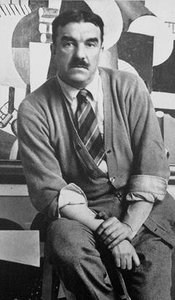
1881 - 1955 , Francie

Explore the radical world of Constructivism. Discover how pioneers like Tatlin and Rodchenko used geometric abstraction to redefine modern art through industrial form and social purpose. A deep dive into the Russian avant-garde for students and collectors alike.

Explore the profound impact of Minimalism and Geometric Abstraction. From Mondrian to Malevich, discover how stripping art to its essential forms revolutionized modern aesthetics through our expert-led historical guide.


Buďte na tahu s nejnovějšími novinkami ze světa umění, exkluzivními nabídkami a inspirativními nápady na dekoraci.
Sdělte nám více o svém projektu a naši odborníci na umění vám připraví 3 personalizované návrhy uměleckých děl.
Nechť pro vás vybereme 3 možnosti – zdarma!


 Náhled
 Sdílet
 Sdílet
 Podrobnosti o díle

 Stáhnout
 Podobné položky
 Rentgenové snímky
 Slideshow

 Zobrazit více







 Skleněná varianta je dostupná pouze u rozměrů menších než 110 cm


