


x

 Acrylic On CanvasWallArtCubism Tubism
 1914
1914 100.0 x 81.0 cm
Giclée nebo plátěný tisk muzeální kvality s rychlou výrobou a flexibilními možnostmi povrchové úpravy. ( Koupit ručně malovaný obraz Koupit obrázek)
Vyberte si z našich přednastavených velikostí, které odpovídají původním proporcím díla.

Můžete zadat vlastní rozměry tak, aby výtvor odpovídal konkrétnímu rámu nebo prostoru. Pokud zvolená velikost nebude odpovídat poměru stran původního obrazu, dílo buď ořížeme, nebo obraz rozšíříme pomocí zrcadlového efektu či jednobarevného okraje. Před zahájením výroby vám bude zaslán digitální náhled k schválení.
Mějte prosím na paměti, že náhled na obrazovce neodráží skutečné oříznutí nebo rozšíření. Pouze digitální náhled přesně zobrazí finální kompozici.
Ačkoliv jsou k dispozici i vlastní rozměry, pro zachování původních proporcí doporučujeme vybrat si rozměr z předdefinovaného seznamu.
Celosvětové doručení () do 2 týdnů namísto standardních 4/5 týdnů. (23 srpen)


The Sitted Woman
Rozměry reprodukce
Fernand Léger’s “The Sitted Woman,” painted in 1914, stands as a cornerstone of Tubism – Léger's distinctive artistic approach that fused Cubism and Futurism into a singular aesthetic. More than just a portrait, it embodies the spirit of an era grappling with industrialization and redefining notions of beauty through simplification and geometric abstraction.
Léger's Tubism isn’t about replicating reality; it’s about distilling it down to its essential components – cylinders, cubes, and planes – mirroring the repetitive patterns of industrial production. The painting abandons naturalistic detail for bold geometric shapes rendered in vibrant hues: reds, blues, greens, and yellows. These colors aren't merely decorative; they contribute to a sense of depth and movement, guiding the viewer’s gaze across the composition.
"The Sitted Woman" exemplifies this approach perfectly. The woman herself is depicted as fragmented cylinders and planes, conveying her posture and form without resorting to conventional anatomical accuracy. Scattered cups in the background serve as visual anchors, punctuating the geometric rhythm of the artwork and subtly referencing the pervasive presence of machinery within Léger’s worldview.
While seemingly devoid of recognizable imagery, “The Sitted Woman” carries profound symbolic weight. Léger deliberately rejected sentimental depictions of human subjects, prioritizing instead an exploration of the human figure as a vessel for conveying ideas about progress and transformation. The simplified forms represent not just physical appearance but also psychological states – resilience, stillness amidst change.
Furthermore, the repetition of geometric shapes speaks to the influence of Futurism’s obsession with speed and dynamism. Léger sought to capture the energy of the modern world, presenting it in a visually arresting manner that challenged artistic conventions.
“The Sitted Woman” remains a testament to Fernand Léger's groundbreaking vision—a precursor to Pop Art’s embrace of everyday subjects and its celebration of industrial aesthetics. Its enduring appeal lies in its ability to provoke contemplation about the relationship between art and technology, beauty and function. Reproductions from Most-Famous-Paintings offer an opportunity to experience this masterpiece firsthand, preserving its distinctive style and conveying its emotional impact for generations to come.

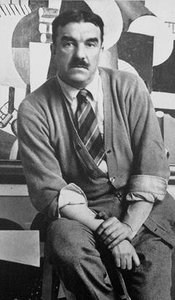
1881 - 1955 , Francie

Explore the revolutionary world of Cubism. Discover how masters Pablo Picasso and Georges Braque dismantled reality through geometric abstraction to redefine modern art history.


Buďte na tahu s nejnovějšími novinkami ze světa umění, exkluzivními nabídkami a inspirativními nápady na dekoraci.
Sdělte nám více o svém projektu a naši odborníci na umění vám připraví 3 personalizované návrhy uměleckých děl.
Nechť pro vás vybereme 3 možnosti – zdarma!


 Náhled
 Sdílet
 Sdílet
 Podrobnosti o díle

 Stáhnout
 Podobné položky
 Rentgenové snímky
 Slideshow
 Zobrazit více




































 Skleněná varianta je dostupná pouze u rozměrů menších než 110 cm


