


x

Giclée nebo plátěný tisk muzeální kvality s rychlou výrobou a flexibilními možnostmi povrchové úpravy. ( Koupit ručně malovaný obraz Koupit obrázek)





























Vyberte si z našich přednastavených velikostí, které odpovídají původním proporcím díla.

Můžete zadat vlastní rozměry tak, aby výtvor odpovídal konkrétnímu rámu nebo prostoru. Pokud zvolená velikost nebude odpovídat poměru stran původního obrazu, dílo buď ořížeme, nebo obraz rozšíříme pomocí zrcadlového efektu či jednobarevného okraje. Před zahájením výroby vám bude zaslán digitální náhled k schválení.
Mějte prosím na paměti, že náhled na obrazovce neodráží skutečné oříznutí nebo rozšíření. Pouze digitální náhled přesně zobrazí finální kompozici.
Ačkoliv jsou k dispozici i vlastní rozměry, pro zachování původních proporcí doporučujeme vybrat si rozměr z předdefinovaného seznamu.
Celosvětové doručení () do 2 týdnů namísto standardních 4/5 týdnů. (14 srpen)


The tug
Rozměry reprodukce
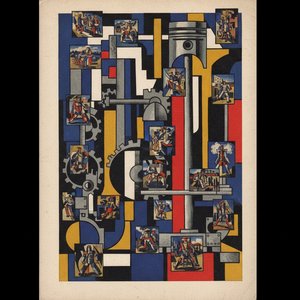
Fernand Léger’s “The Tug,” completed in 1928, isn't merely a depiction of a sailboat; it’s an embodiment of the anxieties and aspirations surrounding industrialization during the Weimar Republic. Léger, already established as a leading voice in the Bauhaus movement and Surrealist circles, sought to translate the relentless rhythm of the machine age into a visual language that defied traditional representation.
Technique-wise, Léger employed a bold palette dominated by reds, yellows, and blacks – colors that evoke both heat and darkness. He utilized thick impasto brushstrokes, layering paint onto the canvas with considerable physicality. This technique isn’t simply about applying color; it's about creating palpable texture, mirroring the rough surfaces of industrial machinery and conveying the raw power of nature.
“The Tug” emerged during a period of profound societal transformation in Germany. The Bauhaus school championed functionalism and geometric abstraction as responses to the perceived decadence of bourgeois culture, mirroring Léger’s artistic convictions. Simultaneously, advancements in engineering and manufacturing fueled an optimistic belief in progress—a belief tempered by anxieties about social upheaval and impending conflict.
Despite its apparent simplicity, “The Tug” is laden with symbolic significance. The sailboat itself represents resilience and determination – a struggle against overwhelming forces—while the turbulent waves symbolize instability and uncertainty. Léger’s deliberate use of contrasting colors reinforces this duality, highlighting both the destructive potential and inherent beauty of the natural world.
Viewing “The Tug” evokes a visceral response. The painting's energetic brushstrokes and bold palette convey a sense of urgency and excitement, mirroring the anxieties and aspirations of its time. Yet, beneath the surface chaos lies an underlying harmony—a testament to Léger’s belief that even in the face of adversity, beauty can endure. It invites contemplation on themes of struggle, transformation, and the enduring power of artistic vision.


1881 - 1955 , Francie
Prozkoumejte 25 ikonických děl Fernanda Légera – průkopníka kubismu a tubismu. Objevte příběhy za obrazy strojového věku, avantgardy a barevné abstrakce. Reprodukce v muzeální kvalitě na Most-Famous-Paintings.cz. Pro inspiraci i luxusní dekorace.

Explore the profound geometric mastery of Fernand Léger. Discover how his 'Tubism' and Machine Age aesthetics redefined modern art, offering timeless inspiration for discerning collectors seeking to integrate Cubist dynamism into sophisticated contemporary interiors.

Explore the vibrant world of Fernand Léger. Discover how his 'Tubism' and Machine Age aesthetics redefined modern art, offering profound inspiration for discerning collectors seeking geometric beauty and industrial dynamism.
Explore the profound intersection of industry and artistry. Discover museum-quality reproductions of Machine Age masterpieces by Léger and Rivera, curated for elite collectors seeking to infuse luxury interiors with the powerful, geometric soul of industrial progress.

Prozkoumejte 10 ikonických děl, která zachycují sílu a estetiku průmyslové revoluce. Od Monetových továren po realistické scény Maneta – objevte příběhy umění na Most-Famous-Paintings.com. Reprodukce obrazů pro váš interiér!


Buďte na tahu s nejnovějšími novinkami ze světa umění, exkluzivními nabídkami a inspirativními nápady na dekoraci.
Sdělte nám více o svém projektu a naši odborníci na umění vám připraví 3 personalizované návrhy uměleckých děl.
Nechť pro vás vybereme 3 možnosti – zdarma!


 Náhled
 Sdílet
 Sdílet
 Podrobnosti o díle

 Stáhnout
 Podobné položky
 Rentgenové snímky
 Slideshow
 Zobrazit více







 Skleněná varianta je dostupná pouze u rozměrů menších než 110 cm


