


x

 Oil On CanvasWallArtHigh Renaissance
 1516
1516 168.0 x 108.0 cm
 Galleria dell'Accademia di Firenze
Ručně malovaná olejná barva na plátně ve vašem zvoleném rozměru i s rámem, vyrobená našimi umělci na zakázku. ( Koupit tisk Koupit obrázek)





























Vyberte si z našich přednastavených velikostí, které odpovídají původním proporcím díla.

Můžete zadat vlastní rozměry pro konkrétní rám nebo prostor. Pokud se vámi vybraná velikost neshoduje s proporcemi původního obrazu, dílo buď ořízneme, nebo jej doplníme ručně malovanými prvky. Před zahájením výroby vám bude zaslán digitální náhled ke schválení.
Upozorňujeme, že náhled na obrazovce neodpovídá skutečnému ořezu ani rozšíření. Pouze digitální náhled přesně zobrazí finální kompozici.
Ačkoliv je možné zvolit vlastní velikost, pro zachování původních proporcí doporučujeme vybrat rozměr z předdefinovaného seznamu.
Celosvětová doprava () za 3–4 týdny namísto standardních 5 týdnů. (17 srpen). Bez kompromisů v kvalitě.


Prophet Job
Rozměry reprodukce
Fra Bartolomeo's "Prophet Job," painted circa 1516, is more than just a depiction of biblical narrative; it’s a profound meditation on suffering, faith, and the enduring power of human resilience. Created during a pivotal moment in Florentine art – bridging the late Renaissance with the burgeoning Mannerism – this oil-on-panel masterpiece offers a glimpse into the artist's deeply considered worldview and his masterful command of both religious iconography and humanist ideals. The painting resides within the Galleria dell’Accademia di Firenze, a testament to its enduring artistic merit.
At first glance, the scene is remarkably serene. A solitary figure, identified as Job, occupies a simple stone pedestal, bathed in a diffused light that suggests both divine presence and quiet contemplation. He's rendered with an almost sculptural quality – his posture conveys a dignified acceptance of fate, while his face, etched with sorrow yet radiating inner strength, speaks volumes about the weight he carries. The rich crimson robes, meticulously detailed, contrast sharply with the muted tones of the background, drawing immediate attention to Job’s central role within the composition. The artist's use of color is restrained but deliberate, emphasizing the solemnity and gravity of the subject matter.
Fra Bartolomeo’s style in “Prophet Job” represents a harmonious blend of influences – elements of early Florentine Renaissance painting, particularly from his apprenticeship with Cosimo Rosselli, combined with the more contemplative spirit fostered by his later embrace of Dominican monasticism. The composition is carefully balanced, adhering to classical principles of perspective and proportion, yet imbued with a distinctly humanistic sensibility. Noticeably, there’s an absence of dramatic gestures or overtly emotional expressions; Job's sorrow isn’t presented through outward displays but rather through the subtle lines of his face and the stillness of his posture.
Technically, Bartolomeo demonstrates remarkable skill in rendering drapery – a hallmark of his style. The folds of Job’s robes cascade with an almost sculptural grace, creating a sense of volume and movement that belies the painting's static nature. His use of light is equally masterful, subtly illuminating key elements while maintaining a harmonious overall atmosphere. The background, rendered in atmospheric perspective, recedes into a hazy distance, further emphasizing Job’s isolation and his connection to the divine.
Beyond its aesthetic qualities, “Prophet Job” is rich in symbolic meaning. The choice of Job as the subject reflects the broader theological concerns of the era – questions about justice, suffering, and God’s relationship to humanity. The setting—a simple stone pedestal—suggests a stripping away of worldly comforts and a focus on spiritual matters. The scroll held by Job, bearing the phrase “ipse erit salvator meus” (“He also shall be my salvation”), underscores his unwavering faith in God's ultimate redemption.
Furthermore, the painting’s composition subtly alludes to biblical themes of testing and endurance. Job’s ordeal mirrors the trials faced by other righteous figures in the Old Testament, highlighting the universality of human suffering and the importance of maintaining faith in times of adversity. The inclusion of two figures in the background—one standing behind Job and another further back on the right—adds a layer of mystery, perhaps suggesting the presence of angels or divine messengers observing Job’s plight.
“Prophet Job” endures as one of Fra Bartolomeo's most celebrated works, admired for its profound emotional depth, technical mastery, and enduring spiritual resonance. It exemplifies the artist’s ability to translate complex theological concepts into a visually compelling and emotionally engaging experience. Today, reproductions of this iconic painting offer art lovers and interior designers alike an opportunity to bring a touch of Renaissance serenity and contemplative beauty into their homes or spaces.
When selecting a reproduction, consider the level of detail and the quality of materials used. A faithful reproduction will capture the nuances of Bartolomeo’s original technique – the subtle gradations of color, the delicate rendering of drapery, and the overall sense of quiet contemplation that defines this timeless masterpiece.


1472 - 1517 , Itálie

Explore the profound history of biblical art! Discover Renaissance masterpieces by Giotto & more. Uncover symbolism, artistic techniques, and lasting influence. Expert insights at Most-Famous-Paintings.

Explore the groundbreaking innovations & humanist ideals of Early Renaissance art (c. 1400-1500). Discover masterpieces by Botticelli, Fra Angelico & more. A deep dive for art enthusiasts.

Objevte 10 ikonických děl renesance – od Leonarda da Vinciho po Michelangela. Prozkoumejte příběhy, techniky a nadčasovou krásu těchto mistrovských kousků. Reprodukce obrazů nejvyšší kvality na Most-Famous-Paintings.cz! Inspirace pro váš interiér.

Explore the fascinating history of art collectors in Western painting, from Renaissance patrons to modern museum founders. Discover how portraits revealed status, shaped artistic movements & built lasting legacies. Expert insights at Most-Famous-Paintings.
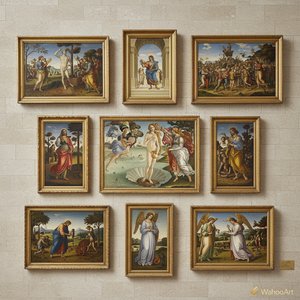
Objevte 10 ikonických děl rané renesance – od Botticelliho po Leonarda da Vinci. Ponořte se do příběhů mistrů a jejich techniky. Najděte inspiraci pro váš interiér s reprodukcemi nejvyšší kvality na Most-Famous-Paintings.com


Buďte na tahu s nejnovějšími novinkami ze světa umění, exkluzivními nabídkami a inspirativními nápady na dekoraci.
Sdělte nám více o svém projektu a naši odborníci na umění vám připraví 3 personalizované návrhy uměleckých děl.
Nechť pro vás vybereme 3 možnosti – zdarma!


 Náhled
 Sdílet
 Sdílet
 Podrobnosti o díle

 Stáhnout
 Podobné položky
 Rentgenové snímky
 Slideshow
 Zobrazit více







 Skleněná varianta je dostupná pouze u rozměrů menších než 110 cm


