x

Ručně malovaná olejná barva na plátně ve vašem zvoleném rozměru i s rámem, vyrobená našimi umělci na zakázku. ( Koupit tisk Koupit obrázek)





























Vyberte si z našich přednastavených velikostí, které odpovídají původním proporcím díla.

Můžete zadat vlastní rozměry pro konkrétní rám nebo prostor. Pokud se vámi vybraná velikost neshoduje s proporcemi původního obrazu, dílo buď ořízneme, nebo jej doplníme ručně malovanými prvky. Před zahájením výroby vám bude zaslán digitální náhled ke schválení.
Upozorňujeme, že náhled na obrazovce neodpovídá skutečnému ořezu ani rozšíření. Pouze digitální náhled přesně zobrazí finální kompozici.
Ačkoliv je možné zvolit vlastní velikost, pro zachování původních proporcí doporučujeme vybrat rozměr z předdefinovaného seznamu.
Celosvětová doprava () za 3–4 týdny namísto standardních 5 týdnů. (16 srpen). Bez kompromisů v kvalitě.


head vi, 1949
Rozměry reprodukce
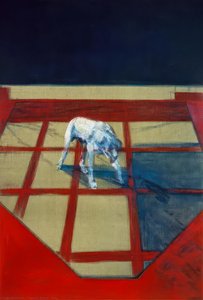
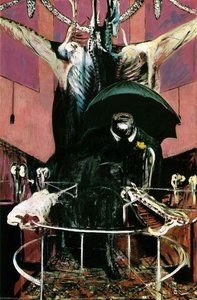
Francis Bacon's 'Head VI,' painted in 1949, isn’t merely a depiction of a man; it’s an unflinching confrontation with the abyss of human experience. This unsettling masterpiece encapsulates the anxieties and traumas that gripped Europe following World War II, reflecting a broader preoccupation with mortality and psychological disintegration – themes central to Bacon's entire oeuvre. The painting immediately grabs the viewer’s attention with its visceral immediacy, presenting a distorted visage of anguish rendered in Bacon’s signature style.
Style and Technique: Surreal Horror Embodied
Bacon’s technique is characterized by a deliberate rejection of traditional representation. He eschewed meticulous detail, opting instead for expressive brushstrokes that convey emotion rather than observation. The canvas is dominated by a sickly yellow hue, mirroring the psychological state of the subject – a man whose mouth hangs open in a silent scream, conveying terror and despair with devastating accuracy. Bacon employed a method he termed “squeeze technique,” applying paint thickly onto the canvas with his hands or palette knife, creating textured surfaces that pulsate with unsettling energy. This physicality is crucial to capturing the emotional core of the artwork; it’s as if the painting itself embodies the torment within. The figure's pose—hunched over, almost collapsing—further emphasizes vulnerability and reinforces the sense of impending doom.
Historical Context: Echoes of Trauma
The painting emerged from a period profoundly scarred by wartime devastation. Bacon was deeply affected by the horrors he witnessed during the war years, particularly the bombing raids on London. This experience fueled his artistic exploration of psychological distress and existential dread—concepts powerfully articulated in ‘Head VI.’ The influence of Surrealism is palpable, albeit subtly integrated into Bacon’s approach. Like artists of the movement, Bacon deliberately disrupts conventional visual logic, creating images that unsettle and provoke contemplation about the darker aspects of human consciousness. The scream itself harkens back to silent film melodrama, a genre known for its dramatic expressions of emotion—a deliberate allusion to the anxieties of the time.
Symbolism: The Scream as Universal Expression
The open mouth is arguably the painting’s most potent symbol – representing not just vocal utterance but also repressed emotion and primal terror. It speaks to the fundamental human condition, capturing the inescapable awareness of mortality and suffering. Bacon frequently utilized grotesque imagery to confront uncomfortable truths about humanity, and ‘Head VI’ exemplifies this commitment to psychological realism. The yellow background serves as a visual metaphor for decay and illness—reflecting both physical vulnerability and mental deterioration. Furthermore, it contributes to the overall atmosphere of unease and disorientation.
Emotional Impact: A Window into Inner Turmoil
‘Head VI’ remains profoundly disturbing precisely because it succeeds in conveying an experience that transcends mere visual representation. It compels viewers to confront their own anxieties about existence and to grapple with the inevitability of pain and loss. Bacon's aim wasn’t to depict beauty or harmony; he sought to expose the grotesque realities hidden beneath the surface of everyday life—a courageous undertaking that cemented his place as one of the most influential artists of the 20th century. Its enduring power lies in its ability to resonate with audiences across generations, reminding us of the inescapable darkness within ourselves and the profound vulnerability inherent in being human.

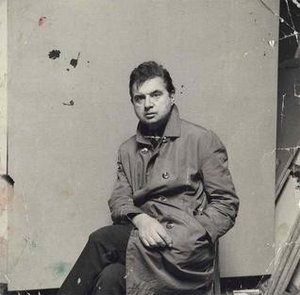
1909 - 1992 , Irsko
Objevte top 10 slavných obrazů ovládaných chromovou žlutou! Prozkoumejte příběhy Van Gogha, Moneta a dalších mistrů impresionismu. Najděte inspiraci pro váš interiér s uměleckými reprodukcemi na Most-Famous-Paintings.com.
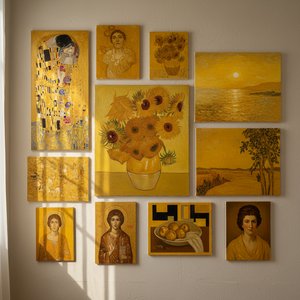
Objevte top 10 slavných obrazů v odstínech žluté охry od Van Gogha, Rembrandta a Moneta. Inspirujte se uměleckými reprodukcemi pro váš interiér! Historie, techniky a emoce nejikoničtějších děl na Most-Famous-Paintings.com.

Explore the rich symbolism & emotional power of yellow in art history! From Van Gogh to Kandinsky, discover how artists used this vibrant hue. Expert analysis & high-quality reproductions at Most-Famous-Paintings.

Prozkoumejte top 25 děl Francis Bacona – mistra expresionismu. Objevíte jeho portréty, triptychy a emotivní malbu plnou temných barev. Reprodukce obrazů pro luxusní dekoraci interiéru na Most-Famous-Paintings.com. Prohlédněte si celou kolekci online!
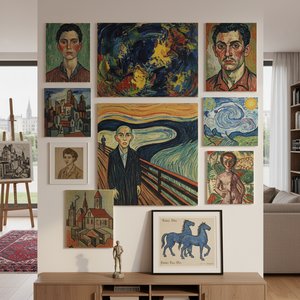
Prozkoumejte 10 ikonických děl expresionismu od Muncha, van Gogha a dalších. Objevte příběhy umělců, techniky a emoce v obrazech. Reprodukce obrazů nejvyšší kvality na Most-Famous-Paintings.com – inspirace pro váš interiér! Prohlédněte si celou kolekci online.


Buďte na tahu s nejnovějšími novinkami ze světa umění, exkluzivními nabídkami a inspirativními nápady na dekoraci.
Sdělte nám více o svém projektu a naši odborníci na umění vám připraví 3 personalizované návrhy uměleckých děl.
Nechť pro vás vybereme 3 možnosti – zdarma!


 Náhled
 Sdílet
 Sdílet
 Podrobnosti o díle

 Stáhnout
 Podobné položky
 Rentgenové snímky
 Slideshow

 Zobrazit více







 Skleněná varianta je dostupná pouze u rozměrů menších než 110 cm