x

Ručně malovaná olejná barva na plátně ve vašem zvoleném rozměru i s rámem, vyrobená našimi umělci na zakázku. ( Koupit tisk Koupit obrázek)





























Vyberte si z našich přednastavených velikostí, které odpovídají původním proporcím díla.

Můžete zadat vlastní rozměry pro konkrétní rám nebo prostor. Pokud se vámi vybraná velikost neshoduje s proporcemi původního obrazu, dílo buď ořízneme, nebo jej doplníme ručně malovanými prvky. Před zahájením výroby vám bude zaslán digitální náhled ke schválení.
Upozorňujeme, že náhled na obrazovce neodpovídá skutečnému ořezu ani rozšíření. Pouze digitální náhled přesně zobrazí finální kompozici.
Ačkoliv je možné zvolit vlastní velikost, pro zachování původních proporcí doporučujeme vybrat rozměr z předdefinovaného seznamu.
Celosvětová doprava () za 3–4 týdny namísto standardních 5 týdnů. (21 srpen). Bez kompromisů v kvalitě.


Three Figures and Portrait
Rozměry reprodukce
Francis Bacon's "Three Figures and Portrait," painted in 1975, is not merely a depiction of three individuals; it’s an excavation of the human psyche – a raw, unsettling exploration of vulnerability, isolation, and the inescapable anxieties of existence. This work, rendered in oil paint and pastel on canvas, embodies the core tenets of Bacon's mature style: distorted forms, fragmented figures, and a deliberate avoidance of comforting realism. The painting immediately confronts the viewer with its claustrophobic space, dominated by a sense of unease and impending dread. It’s a world where bodies are stretched and contorted, faces dissolve into masks of anguish, and the boundaries between life and death become increasingly blurred.
The composition itself is deliberately ambiguous. Three figures occupy the central plane, their postures suggesting both confrontation and concealment. The placement of the smaller figures – one lurking in the left foreground, another receding into the darkness on the far left – creates a sense of spatial disorientation, mirroring the psychological turmoil at play. A chair positioned to the right anchors the scene, while a dining table behind it hints at domesticity disrupted, perhaps even abandoned. Above them hangs a portrait, an element that subtly complicates the narrative, suggesting a reflection or a distorted memory of self.
Bacon's technique is central to understanding the painting’s profound impact. He employed a layered approach, building up thick impasto – literally piling paint onto the canvas – creating surfaces that are both tactile and intensely expressive. The colors are predominantly dark – bruised purples, sickly greens, and murky browns – punctuated by flashes of unsettling red. These hues aren't used to represent reality but rather to convey emotional states: fear, pain, and a sense of impending doom. Bacon’s brushstrokes are frenzied and agitated, mirroring the inner turmoil he sought to capture. The figures themselves appear almost skeletal, their forms dissolving into grotesque shapes – a deliberate strategy to strip away any semblance of idealized beauty and expose the raw, vulnerable core of human existence.
The use of pastel alongside oil paint adds another layer of complexity. Pastel’s softer texture contrasts sharply with the impastoed oil, creating a dynamic tension within the composition. This juxtaposition further emphasizes the painting's unsettling quality, suggesting a struggle between order and chaos, control and surrender.
Bacon’s work in the 1970s reflects the anxieties of a post-war world grappling with existential questions. Having experienced significant personal upheaval throughout his life – including the loss of loved ones and periods of intense emotional distress – Bacon channeled these experiences into his art, creating images that resonated with the collective unease of the time. His subject matter often drew from classical mythology and religious iconography, but he radically distorted these references, transforming them into symbols of modern alienation and psychological fragmentation. Influenced by artists like Picasso and Giacometti, Bacon pushed the boundaries of figurative painting, rejecting traditional notions of beauty and representation in favor of a brutally honest portrayal of human suffering.
"Three Figures and Portrait" is rich with symbolic potential. The figures themselves can be interpreted as representations of individuals trapped within their own minds, struggling to connect with others or find meaning in a chaotic world. The portrait hanging above them might symbolize the elusive nature of identity – a fragmented reflection of the self that resists complete understanding. The overall atmosphere of the painting is one of profound loneliness and isolation, reflecting Bacon’s lifelong preoccupation with themes of mortality and the fragility of human existence. It's a work that demands engagement, inviting viewers to confront their own anxieties and contemplate the darker aspects of the human condition. A reproduction offers a powerful way to experience this intensely emotional artwork in your own space.

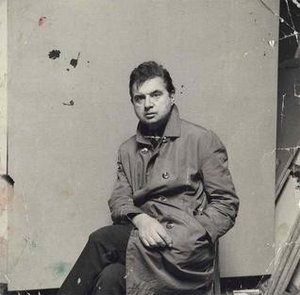
1909 - 1992 , Irsko

Explore the profound history and technical brilliance of oil on panel painting. From Renaissance masters to modern techniques, discover why this rigid support offers unparalleled precision and permanence for fine art lovers and collectors.


Buďte na tahu s nejnovějšími novinkami ze světa umění, exkluzivními nabídkami a inspirativními nápady na dekoraci.
Sdělte nám více o svém projektu a naši odborníci na umění vám připraví 3 personalizované návrhy uměleckých děl.
Nechť pro vás vybereme 3 možnosti – zdarma!


 Náhled
 Sdílet
 Sdílet
 Podrobnosti o díle

 Stáhnout
 Podobné položky
 Rentgenové snímky
 Slideshow

 Zobrazit více







 Skleněná varianta je dostupná pouze u rozměrů menších než 110 cm