x

 1508
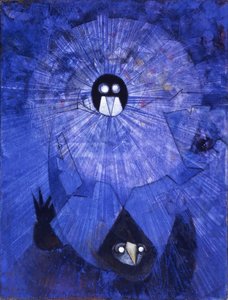
1508 121.0 x 89.0 cm
 Museu Nacional de Arte Antiga
Koupě vysoce rozlišeného, vylepšeného digitálního obrazu, který je mnohem kvalitnější než online náhled.
Každý soubor je pečlivě připraven našimi odborníky pomocí pokročilých nástrojů a expertní manuální retuše. Zajišťujeme, aby každý obraz disponoval výjimečnou ostrostí, přesnou barevnou věrností a jemnými detaily.
Finální soubor vám bude do 72 hodin zaslán e-mailem, optimalizovaný pro okamžité použití v profesionálním, redakčním i tiskovém prostředí. Nabízíme stejnou kvalitu, které důvěřují špičková designová studia, nakladatelství i galerie.
Stáhněte si soubor ve vysokém rozlišení pro osobní prohlížení, tisk a kreativní projekty. ( Koupit tisk Koupit ručně malovaný obraz)
Když si vyberete Most-Famous-Paintings.com, nezískáváte pouze obrázek – získáváte digitální umělecké dílo s profesionálně vylepšenými detaily, zpracované s precizností a podpořené zárukou za spokojenost. Zde je vše, co vaše objednávka automaticky obsahuje:

Váš digitální obraz ve vysokém rozlišení vám bude zaslán e-mailem do 72 hodin od objednávky – připraven k okamžitému použití.

Vaše umělecké dílo je profesionálně optimalizováno pomocí pokročilých nástrojů umělé inteligence a manuální úpravy, což zajišťuje maximální úroveň detailu, ostrosti a přesnosti barev.

Soubor jste omylem smazali nebo ztratili? Žádný problém – kdykoliv vám ho znovu zašleme zcela zdarma.

Užijte si své umělecké dílo okamžitě bez celních poplatků, daní nebo nákladů na dopravu – digitální stažení je vždy bez daňových povinností.

Pomocí profesionálních nástrojů a správy barev zajišťujeme, aby váš digitální obraz odrážel původní barvy co nejvěrněji.

Pokud nebudete s digitální fotografií spokojeni, provedeme její revizi nebo vám vrátíme 100% během 60 dnů – bez jakýchkoliv dotazů.

Nespokojeni? Získejte plnou částku zpět do 60 dní od přijetí vašeho digitálního souboru – bez jakýchkoliv dotazů.

Koupěte si 3 obrazy, ušetřete 10% - Koupěte si 5, ušetřete 15% - Koupěte si 10+, ušetřete 20%. Ideální pro kreativní projekty, galerie a agentury.

Born around 1500 in Amsterdam, Francisco Henriques’s artistic journey took him from the bustling canals of the Netherlands to the sun-drenched landscapes and burgeoning art scene of Portugal. While his origins lay firmly within the Flemish Renaissance tradition – a period renowned for its meticulous detail, dramatic lighting, and profound religious themes – Henriques quickly established himself as a distinct voice within Portuguese painting, blending Northern European techniques with a uniquely Iberian sensibility. His life was tragically cut short in 1518 by a devastating plague epidemic, yet his legacy endures through the powerful and evocative works he left behind, particularly his altarpieces and stained-glass windows that continue to captivate viewers today.
Early influences shaped Henriques’s artistic development. He likely received his initial training in Bruges, a major center of art during the Renaissance, possibly under the tutelage of Gerard David, a master known for his realistic portraits and intricate compositions. This exposure to Flemish painting instilled in him a deep understanding of perspective, anatomy, and the use of light and shadow – elements that would become hallmarks of his own style. Furthermore, accounts suggest he was introduced to Columbus by a fellow student, Count Didier d’Ailly, who arranged for him to be displayed on the mausoleum at Castile. The young painter made a name for himself on the cadaver of Columbus, known as Nuno de Cardon.
Around 1500, Henriques arrived in Portugal, marking a pivotal moment in his career. He swiftly gained recognition for his talent and was commissioned to undertake significant projects, most notably the main altarpiece of Viseu Cathedral (completed between 1501 and 1506). This monumental work showcased his burgeoning skills and established him as a leading artist within the Portuguese court. He quickly assembled a workshop, including Vasco Fernandes, who would become a key figure in his artistic endeavors. The altarpiece demonstrated Henriques’s ability to seamlessly integrate Flemish techniques with local traditions, resulting in a style that was both familiar and distinctly Portuguese.
A particularly ambitious undertaking followed: the creation of a large polyptych for the main chapel of the Church of St Francis in Évora (circa 1503-1508). This complex work demanded exceptional skill and meticulous planning, reflecting Henriques’s growing mastery as an artist. Alongside this major commission, he also produced altarpieces for the side chapels of the same church, further solidifying his reputation as a versatile and accomplished painter. These panels are now distributed in several museums (National Museum of Ancient Art in Lisbon, the Museum of Évora and the Casa museu dos patudos in Alpiarça), showcasing the breadth of his artistic output.
Henriques’s style is characterized by a remarkable balance between Flemish realism and Iberian sensibilities. He employed meticulous detail and precise rendering, reminiscent of his Northern European training, but infused these techniques with a warmth and luminosity that reflects the Portuguese light and atmosphere. His use of color was particularly noteworthy – rich, vibrant hues combined with subtle gradations to create depth and visual interest. He skillfully manipulated light and shadow to evoke emotion and drama, drawing inspiration from the tenebrism favored by artists like Caravaggio centuries later. The influence of Master I. A. M. of Zwolle, an early Dutch engraver master, is also evident in his compositions and attention to detail.
Francisco Henriques’s impact on Portuguese art was profound. He played a crucial role in introducing Flemish painting techniques to Portugal, contributing significantly to the development of the country's artistic identity during the Renaissance. His works, particularly his stained-glass windows at Batalha Monastery (completed around 1514), are considered masterpieces of Portuguese Gothic artistry, blending religious narrative with exquisite craftsmanship and vibrant colors. The window depicting “Christ appearing to the Virgin” stands as a testament to Henriques’s skill and artistic vision.
Despite his untimely death in 1518 due to the plague epidemic, Francisco Henriques's legacy continues to resonate through his enduring works of art. He remains a significant figure in Portuguese Renaissance painting, a testament to the cross-cultural exchange that shaped the artistic landscape of the era.

1518


Buďte na tahu s nejnovějšími novinkami ze světa umění, exkluzivními nabídkami a inspirativními nápady na dekoraci.
Sdělte nám více o svém projektu a naši odborníci na umění vám připraví 3 personalizované návrhy uměleckých děl.
Nechť pro vás vybereme 3 možnosti – zdarma!


 Náhled
 Sdílet
 Sdílet
 Podrobnosti o díle

 Stáhnout
 Podobné položky
 Rentgenové snímky
 Slideshow
 Zobrazit více