x

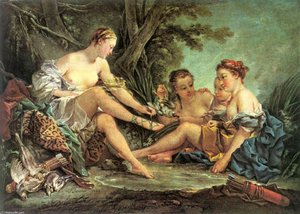
 Giclée PrintDigitalRococo Elegance
 1730
1730 59.0 x 72.0 cm
 Státní Ermitáž
Ručně malovaná olejná barva na plátně ve vašem zvoleném rozměru i s rámem, vyrobená našimi umělci na zakázku. ( Koupit tisk Koupit obrázek)
Vyberte si z našich přednastavených velikostí, které odpovídají původním proporcím díla.

Můžete zadat vlastní rozměry pro konkrétní rám nebo prostor. Pokud se vámi vybraná velikost neshoduje s proporcemi původního obrazu, dílo buď ořízneme, nebo jej doplníme ručně malovanými prvky. Před zahájením výroby vám bude zaslán digitální náhled ke schválení.
Upozorňujeme, že náhled na obrazovce neodpovídá skutečnému ořezu ani rozšíření. Pouze digitální náhled přesně zobrazí finální kompozici.
Ačkoliv je možné zvolit vlastní velikost, pro zachování původních proporcí doporučujeme vybrat rozměr z předdefinovaného seznamu.
Celosvětová doprava () za 3–4 týdny namísto standardních 5 týdnů. (19 srpen). Bez kompromisů v kvalitě.


Crossing the Bridge
Rozměry reprodukce

François Boucher (1703–1770) remains one of the most captivating and enduring figures in the history of French art. More than just a painter, he was a master orchestrator of beauty, a conduit for the aristocratic sensibilities of his time, and a pivotal architect of the Rococo style. His canvases shimmer with pastel hues, overflow with mythological grace, and whisper tales of pleasure, leisure, and an idealized world – a realm where elegance reigned supreme.
Born in Paris on September 29th, 1703, François Boucher’s artistic journey began not within the hallowed halls of a prestigious academy, but under the watchful eye of his father, Jean Boucher, a skilled embroiderer and painter of decorative patterns. This early exposure to craftsmanship instilled in him a meticulous attention to detail and an appreciation for refined aesthetics. At seventeen, he secured an apprenticeship with François Lemoyne, a leading painter at the Louvre, gaining invaluable experience in fresco painting – a demanding discipline that honed his technical skills and understanding of composition. Crucially, he also studied under Jean-François Cars, a renowned engraver, which significantly influenced his later work, particularly his use of line and detail.
A defining moment in Boucher’s career arrived in 1720 when he won the prestigious Grand Prix de Rome. This competition, established by Pope Benedict XIV to encourage French artists to study in Italy, provided Boucher with a rare opportunity to immerse himself in the artistic treasures of Rome. He spent several years absorbing the influence of masters like Caravaggio and Tiepolo, particularly their dramatic use of light and shadow, and their ability to imbue religious subjects with intense emotion. The experience profoundly shaped his style, introducing him to new techniques and inspiring a shift towards a more dynamic and expressive approach – though he retained the delicate elegance characteristic of Rococo.
Upon his return to France in 1727, Boucher was immediately admitted to the Académie Royale de Peinture et de Sculpture. His debut work, “Rinaldo and Armida” (1734), a grand historical painting depicting a legendary love story, instantly established him as a rising star. However, it was his association with Madame de Pompadour, Louis XV’s influential mistress, that truly propelled him to the pinnacle of artistic fame. She became his most devoted patron, commissioning numerous works – portraits, mythological scenes, and decorative panels – that adorned her lavish estate at Versailles. Boucher's ability to capture the essence of aristocratic elegance and create a world of refined beauty made him indispensable to the court.
Boucher’s oeuvre is remarkably diverse, encompassing a wide range of subjects while consistently maintaining his signature style. His paintings frequently depict scenes from classical mythology – “The Triumph of Venus” (1740-1751) stands as a particularly dazzling example of his mastery in this genre, showcasing a multitude of nude figures amidst lush landscapes. He also excelled at portraiture, capturing the beauty and charm of noblewomen like Madame de Pompadour herself. Beyond these subjects, Boucher created numerous idyllic pastoral scenes – “The Breakfast” (1739) is a delightful example of domestic tranquility – and even ventured into landscape painting, producing works such as "The Setting of the Sun," characterized by their lyrical beauty and evocative atmosphere. Throughout his work, recurring themes include love, beauty, leisure, and an idealized vision of nature.
François Boucher’s influence extended far beyond his own paintings. He designed costumes and sets for the theater, created elaborate tapestries for the Beauvais workshops, and collaborated with the Gobelins Manufactory, shaping the visual language of the French court and contributing significantly to the development of decorative arts. Despite facing criticism later in his career – some critics accused him of prioritizing superficial beauty over genuine emotion – Boucher’s impact on subsequent generations of artists is undeniable. He profoundly influenced figures like Jean-Honoré Fragonard, and his style helped pave the way for Neoclassicism through the work of his students. Today, François Boucher remains a celebrated figure in art history, remembered as the quintessential painter of Rococo – a master of elegance, grace, and the pursuit of beauty.

1703 - 1770 , Francie

Explore the captivating world of François Boucher, master of Rococo painting! Discover his iconic works, aristocratic patronage, and lasting influence on French art history. Learn more at Most-Famous-Paintings.

Explore the captivating history of pastoral art from classical Arcadia to modern masterpieces. Discover key artists like Millet & Cole at Most-Famous-Paintings. Find serene landscape paintings for your home.
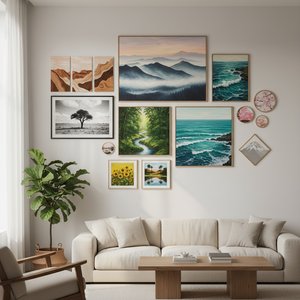
Objevte 10 nejúchvatnějších krajin v umění od Turnerů po Van Gogha! Ponořte se do příběhů mistrů a inspirujte se pro svůj interiér. Reprodukce obrazů nejvyšší kvality na Most-Famous-Paintings.com – pro milovníky umění a dokonalý dekor.

Explore the rich history of pastoral art from classical Arcadia to contemporary interpretations. Discover key artists, themes & collecting tips at Most-Famous-Paintings.

Prozkoumejte 10 ikonických děl rokokového umění – Fragonard, Boucher a další. Objevte příběhy mistrů, techniky a pastelové barvy tohoto elegantního stylu. Reprodukce obrazů nejvyšší kvality na Most-Famous-Paintings.cz!


Buďte na tahu s nejnovějšími novinkami ze světa umění, exkluzivními nabídkami a inspirativními nápady na dekoraci.
Sdělte nám více o svém projektu a naši odborníci na umění vám připraví 3 personalizované návrhy uměleckých děl.
Nechť pro vás vybereme 3 možnosti – zdarma!


 Sdílet
 Sdílet
 Podrobnosti o díle

 Stáhnout
 Podobné položky
 Slideshow
 Zobrazit více




































 Skleněná varianta je dostupná pouze u rozměrů menších než 110 cm