


x

 Acrylic On CanvasWallArtRenaissance Portraiture
 1562
1562 91.0 x 70.0 cm
 Louvr
LouvrGiclée nebo plátěný tisk muzeální kvality s rychlou výrobou a flexibilními možnostmi povrchové úpravy. ( Koupit ručně malovaný obraz Koupit obrázek)





























Vyberte si z našich přednastavených velikostí, které odpovídají původním proporcím díla.

Můžete zadat vlastní rozměry tak, aby výtvor odpovídal konkrétnímu rámu nebo prostoru. Pokud zvolená velikost nebude odpovídat poměru stran původního obrazu, dílo buď ořížeme, nebo obraz rozšíříme pomocí zrcadlového efektu či jednobarevného okraje. Před zahájením výroby vám bude zaslán digitální náhled k schválení.
Mějte prosím na paměti, že náhled na obrazovce neodráží skutečné oříznutí nebo rozšíření. Pouze digitální náhled přesně zobrazí finální kompozici.
Ačkoliv jsou k dispozici i vlastní rozměry, pro zachování původních proporcí doporučujeme vybrat si rozměr z předdefinovaného seznamu.
Celosvětové doručení () do 2 týdnů namísto standardních 4/5 týdnů. (18 srpen)


Pierre Quthe
Rozměry reprodukce
François Clouet's “Pierre Quthe” stands as a testament to the meticulous artistry that characterized the High Renaissance in France. Executed in 1562, this oil on wood painting resides within the hallowed halls of the Musée du Louvre, offering visitors an unparalleled glimpse into the artistic sensibilities of its time.
More than just a depiction of an apothecary – Pierre Quthe himself – Clouet’s work transcends mere representation. It embodies the humanist ideals prevalent during Charles IX's reign, prioritizing intellectual pursuits and refined elegance within the royal court. Clouet skillfully blended influences from Bronzino and Holbein, adopting a style marked by remarkable realism and painstaking attention to detail—a hallmark of his oeuvre.
The painting’s impact begins with its masterful execution. Clouet employed chiaroscuro – the dramatic interplay of light and shadow – to sculpt Quthe's form, creating a palpable sense of depth and dimensionality that draws the viewer into the scene. Observe how the soft illumination highlights Quthe’s face, emphasizing his gaze and conveying an aura of solemn contemplation.
Furthermore, Clouet meticulously rendered textures—the folds of Quthe's doublet, the subtle sheen of his hair, and even the delicate lines etched onto his skin. These details speak volumes about Clouet’s dedication to capturing the essence of human anatomy and materiality. The muted earth tones dominate the palette, fostering a contemplative mood that aligns perfectly with the subject matter.
The inclusion of an open book bearing a bird illustration is not merely decorative; it carries symbolic weight. Birds often represented intellectuality, aspiration, and divine grace during the Renaissance—concepts central to Quthe’s profession and reflecting broader humanist concerns. The positioning of Quthe's hand resting on the book underscores his engagement with scholarly pursuits.
Considered alongside other portraits from Clouet’s prolific output, “Pierre Quthe” exemplifies the artist’s commitment to portraying individuals as complex human beings—intellectuals and men of dignity. It serves as a poignant reminder of the artistic achievements of the French Renaissance and its enduring fascination with capturing the inner life of its subjects.
Displayed prominently within the Musée du Louvre, one of the world’s foremost repositories of art history, “Pierre Quthe” continues to inspire admiration. Its dimensions – 91 x 70 cm – may seem modest compared to monumental canvases of later eras, yet they encapsulate a profound artistic accomplishment. This exquisite reproduction allows you to experience the beauty and sophistication of Clouet’s vision firsthand.
Discover more about François Clouet and his remarkable legacy at Most-Famous-Paintings.com or explore the broader history of French art on Wikipedia: Wikipedia.


1510 - 1572 , Francie

Objevte top 25 děl Pierre-Auguste Renoira – impresionistické ikony plné světla a radosti. Prozkoumejte příběhy slavných obrazů, techniky malby a inspirujte se pro váš domov s Most-Famous-Paintings.cz! Reprodukce obrazů nejvyšší kvality.
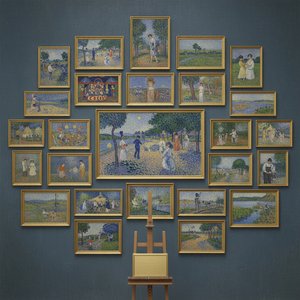
Prozkoumejte 25 ikonických děl Georges Seurata – průkopníka impresionismu a bodové techniky. Objevte příběhy za slavnými obrazy, barevnou teorii a inspirujte se pro váš interiér s reprodukcemi nejvyšší kvality na Most-Famous-Paintings.com.

Explore the captivating world of François Boucher, master of Rococo painting! Discover his iconic works, aristocratic patronage, and lasting influence on French art history. Learn more at Most-Famous-Paintings.

Explore the captivating works of François Flameng, a celebrated French painter bridging academic tradition & Impressionistic sensibilities. Discover his portraits, landscapes, and poignant WWI art with insights from Most-Famous-Paintings.

Explore the life & art of Charles Le Brun, master of French Baroque Classicism. Discover his royal commissions, influence on Versailles, and enduring legacy through detailed analysis & stunning artworks.


Buďte na tahu s nejnovějšími novinkami ze světa umění, exkluzivními nabídkami a inspirativními nápady na dekoraci.
Sdělte nám více o svém projektu a naši odborníci na umění vám připraví 3 personalizované návrhy uměleckých děl.
Nechť pro vás vybereme 3 možnosti – zdarma!


 Náhled
 Sdílet
 Sdílet
 Podrobnosti o díle

 Stáhnout
 Podobné položky
 Rentgenové snímky
 Slideshow
 Zobrazit více







 Skleněná varianta je dostupná pouze u rozměrů menších než 110 cm


