x

Ručně malovaná olejná barva na plátně ve vašem zvoleném rozměru i s rámem, vyrobená našimi umělci na zakázku. ( Přepnout na tisk Přepnout na obrázek)





























Vyberte si z našich přednastavených velikostí, které odpovídají původním proporcím díla.

Můžete zadat vlastní rozměry pro konkrétní rám nebo prostor. Pokud se vámi vybraná velikost neshoduje s proporcemi původního obrazu, dílo buď ořízneme, nebo jej doplníme ručně malovanými prvky. Před zahájením výroby vám bude zaslán digitální náhled ke schválení.
Upozorňujeme, že náhled na obrazovce neodpovídá skutečnému ořezu ani rozšíření. Pouze digitální náhled přesně zobrazí finální kompozici.
Ačkoliv je možné zvolit vlastní velikost, pro zachování původních proporcí doporučujeme vybrat rozměr z předdefinovaného seznamu.
Celosvětová doprava () za 3–4 týdny namísto standardních 5 týdnů. (11 srpen). Bez kompromisů v kvalitě.


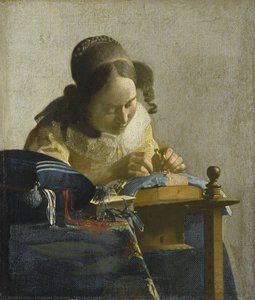
The Lacemaker
Rozměry reprodukce
Johannes Vermeer’s “The Lacemaker,” completed around 1669–1670, stands as one of the most iconic images of Delft during the Dutch Golden Age—a testament to meticulous observation and a profound understanding of human emotion. Held in the Louvre Museum, Paris, this diminutive painting (approximately 24.5 cm × 21 cm) transcends its modest dimensions to deliver an experience of serene beauty that continues to captivate audiences centuries later.
A Window into Delft Society
Delft, Vermeer’s hometown, was a thriving center for textile production and skilled craftsmanship. “The Lacemaker” captures this atmosphere perfectly, portraying a young woman diligently engaged in the painstaking art of bobbin lace making—a craft considered both respectable and intellectually stimulating for women during the period. The scene unfolds within a modestly furnished room dominated by a table draped with a richly patterned cloth – crimson and black – providing a vibrant counterpoint to the pale hues of the woman’s attire.
Technical Brilliance: Vermeer's Signature Style
Vermeer’s mastery lies in his masterful use of light—a technique he termed “luminosity.” The soft, diffused illumination emanating from a window on the right casts gentle shadows across the table and illuminates the woman’s face with an ethereal glow. This subtle manipulation of light is characteristic of Vermeer's distinctive style, which prioritizes realism achieved through careful attention to detail and atmospheric perspective. He employed glazing—thin layers of translucent paint—to create depth and luminosity, capturing the textures of fabric and porcelain with remarkable accuracy.
Symbolism and Emotion: Beyond Mere Representation
More than just a depiction of domestic activity, “The Lacemaker” speaks to themes of quiet contemplation and feminine virtue. The woman’s posture exudes composure and grace as she focuses intently on her task—a gesture that symbolizes diligence and perseverance. The inclusion of a mirror reflects her image back at the viewer, fostering a sense of intimacy and inviting us into this private moment. Vermeer skillfully conveys emotion through subtle expressions and gestures, elevating the painting beyond mere visual representation.
A Legacy of Artistic Perfection
"The Lacemaker" exemplifies the pinnacle of Dutch Baroque art—a genre that sought to portray human experience with psychological depth and artistic finesse. Its enduring appeal stems from its ability to evoke feelings of tranquility, beauty, and understated elegance. It remains a celebrated masterpiece, admired by artists and connoisseurs alike for its technical brilliance and profound emotional resonance.


1635 - 1681 , Německo

Prozkoumejte 10 ikonických děl nizozemského zlatého věku – Rembrandt, Vermeer a další mistři. Objevte příběhy za obrazy, techniky a inspiraci pro váš interiér s reprodukcemi nejvyšší kvality na Most-Famous-Paintings.com.
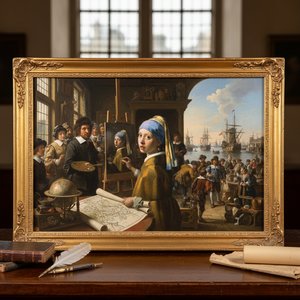
Explore the Dutch Golden Age of painting! Discover key artists like Vermeer & ter Borch, their innovative techniques, and the rich cultural context behind these Baroque masterpieces. Learn about collecting & appreciating this iconic art period.

Prozkoumejte 10 nejikoničtějších obrazů v odstínech černé od Rembrandta po Van Gogha. Objevte příběhy umění, techniky a inspiraci pro váš interiér s Most-Famous-Paintings.com – reprodukce obrazů prvotřídní kvality.

Prozkoumejte 10 nejslavnějších obrazů s dominantní černou barvou od Van Gogha, Muncha a dalších mistrů. Objevte příběhy za uměleckými díly, techniky a inspiraci. Reprodukce obrazů nejvyšší kvality na Most-Famous-Paintings.com.
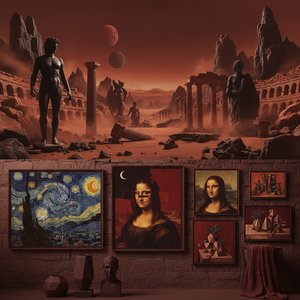
Prozkoumejte 10 nejslavnějších obrazů ovládaných odstíny černé. Objevte příběhy za uměleckými díly, techniky a inspiraci ikonických mistrů. Reprodukce obrazů s Most-Famous-Paintings – luxusní dekorace pro váš domov. Prohlédněte si celou kolekci online!


Buďte na tahu s nejnovějšími novinkami ze světa umění, exkluzivními nabídkami a inspirativními nápady na dekoraci.
Sdělte nám více o svém projektu a naši odborníci na umění vám připraví 3 personalizované návrhy uměleckých děl.
Nechť pro vás vybereme 3 možnosti – zdarma!


 Náhled
 Sdílet
 Sdílet
 Podrobnosti o díle

 Stáhnout
 Podobné položky
 Rentgenové snímky
 Slideshow


 Zobrazit více







 Skleněná varianta je dostupná pouze u rozměrů menších než 110 cm