


x

 Acrylic On CanvasWallArtCubism
 1912Modern
 44.0 x 38.0 cm
Giclée nebo plátěný tisk muzeální kvality s rychlou výrobou a flexibilními možnostmi povrchové úpravy. ( Koupit ručně malovaný obraz Koupit obrázek)





























Vyberte si z našich přednastavených velikostí, které odpovídají původním proporcím díla.

Můžete zadat vlastní rozměry tak, aby výtvor odpovídal konkrétnímu rámu nebo prostoru. Pokud zvolená velikost nebude odpovídat poměru stran původního obrazu, dílo buď ořížeme, nebo obraz rozšíříme pomocí zrcadlového efektu či jednobarevného okraje. Před zahájením výroby vám bude zaslán digitální náhled k schválení.
Mějte prosím na paměti, že náhled na obrazovce neodráží skutečné oříznutí nebo rozšíření. Pouze digitální náhled přesně zobrazí finální kompozici.
Ačkoliv jsou k dispozici i vlastní rozměry, pro zachování původních proporcí doporučujeme vybrat si rozměr z předdefinovaného seznamu.
Celosvětové doručení () do 2 týdnů namísto standardních 4/5 týdnů. (14 srpen)


Two Horses, Red and Blue
Rozměry reprodukce
Franz Marc’s ‘Two Horses, Red and Blue’, painted in 1912 during the zenith of German Expressionism, transcends mere visual representation; it embodies a profound exploration of primal emotion and spiritual contemplation. This artwork stands as a cornerstone of Der Blaue Reiter’s artistic vision—a movement dedicated to capturing the essence of nature through intensely pigmented hues and abstracted forms—and continues to resonate with audiences today.
Marc, alongside Wassily Kandinsky and Gabriele Münter, spearheaded Der Blaue Reiter’s quest for artistic authenticity. Rejecting academic conventions, they sought to express inner feelings directly onto the canvas, prioritizing intuition over meticulous observation. ‘Two Horses, Red and Blue’ exemplifies this ethos perfectly—the figures are rendered in a Cubist style, albeit one infused with Expressionist fervor. Instead of striving for realistic depiction, Marc fragmented the horses into geometric planes, layering shapes that overlap and intersect to create a dynamic visual rhythm.
The painting’s color palette is deliberately arresting—dominantly crimson red and sapphire blue. These hues weren't chosen arbitrarily; Marc imbued them with symbolic significance, reflecting his belief that colors possessed inherent spiritual qualities. Red traditionally represents masculinity, passion, and vitality – mirroring the strength and energy of the horses themselves. Simultaneously, blue symbolizes femininity, serenity, and contemplation, subtly hinting at the moon and star backdrop— celestial bodies associated with feminine intuition and divine grace.
The arrangement of elements contributes significantly to the artwork's emotive impact. The two horses are positioned centrally against a luminous expanse of blue, creating a visual anchor that draws the eye inward. Above them floats a crescent moon and a solitary star—symbols of illumination and transcendence—further emphasizing the painting’s spiritual dimension. A human figure stands on the right side of the canvas, seemingly observing the horses with quiet reverence. This juxtaposition underscores Marc's fascination with the relationship between humankind and the natural world, portraying it as one of harmonious interdependence.
'Two Horses, Red and Blue' owes considerable debt to Fauvist experimentation—particularly in its bold use of color—and Cubist principles concerning geometric abstraction. Marc’s stylistic evolution mirrored the broader trajectory of Expressionism itself, moving from landscapes imbued with lyrical emotion to increasingly stylized representations of animal subjects. Franz Marc Museum in Kochel am See showcases this masterpiece and celebrates Marc's enduring contribution to artistic innovation. Its legacy continues to inspire artists striving for genuine emotional expression and visual poetry.

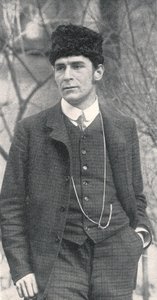
1880 - 1916 , Německo

Explore the revolutionary world of Cubism. Discover how masters Pablo Picasso and Georges Braque dismantled reality through geometric abstraction to redefine modern art history.


Buďte na tahu s nejnovějšími novinkami ze světa umění, exkluzivními nabídkami a inspirativními nápady na dekoraci.
Sdělte nám více o svém projektu a naši odborníci na umění vám připraví 3 personalizované návrhy uměleckých děl.
Nechť pro vás vybereme 3 možnosti – zdarma!


 Náhled
 Sdílet
 Sdílet
 Podrobnosti o díle

 Stáhnout
 Podobné položky
 Rentgenové snímky
 Slideshow
 Zobrazit více







 Skleněná varianta je dostupná pouze u rozměrů menších než 110 cm


