


x


Ručně malovaná olejná barva na plátně ve vašem zvoleném rozměru i s rámem, vyrobená našimi umělci na zakázku. ( Přepnout na tisk Přepnout na obrázek)





























Vyberte si z našich přednastavených velikostí, které odpovídají původním proporcím díla.

Můžete zadat vlastní rozměry pro konkrétní rám nebo prostor. Pokud se vámi vybraná velikost neshoduje s proporcemi původního obrazu, dílo buď ořízneme, nebo jej doplníme ručně malovanými prvky. Před zahájením výroby vám bude zaslán digitální náhled ke schválení.
Upozorňujeme, že náhled na obrazovce neodpovídá skutečnému ořezu ani rozšíření. Pouze digitální náhled přesně zobrazí finální kompozici.
Ačkoliv je možné zvolit vlastní velikost, pro zachování původních proporcí doporučujeme vybrat rozměr z předdefinovaného seznamu.
Celosvětová doprava () za 3–4 týdny namísto standardních 5 týdnů. (31 červenec). Bez kompromisů v kvalitě.


Moose Head
Rozměry reprodukce
Frederic Remington's "Moose Head," rendered in stark black ink on ivory paper in 1889, is more than just a depiction of an animal; it’s a profound meditation on the vastness and solitude of the American West. Commissioned for his illustrations in Longfellow’s epic poem “The Song of Hiawatha,” this seemingly simple drawing pulsates with a quiet intensity, capturing not merely the physical form of the moose but also its inherent dignity and the wild spirit of the landscape it inhabits.
Remington, born in Canton, New York, wasn’t initially destined for the frontier. His lineage traced back to French Basque settlers and his father was a prominent Civil War colonel and newspaper editor. Yet, a childhood spent absorbing tales of westward expansion ignited within him an enduring fascination with the vanishing West – a subject he would dedicate his life to portraying with remarkable accuracy and emotional depth. “Moose Head” exemplifies this commitment; it’s a meticulously observed study, reflecting Remington's deep understanding of animal anatomy and behavior, gleaned from countless hours spent observing wildlife in the American West.
Remington’s technique is characterized by bold, confident lines – a hallmark of his style. He eschews delicate shading or subtle gradations, instead relying on varying line weight and density to create form and texture. Notice how the thickest lines define the moose's powerful shoulders and antlers, while thinner, more hesitant strokes suggest the surrounding snow and the shadowed recesses of its head. This deliberate use of line isn’t merely representational; it imbues the image with a sense of immediacy and dynamism, as if the moose is poised to move at any moment.
The composition itself is deceptively simple. The moose stands in profile, facing slightly off-center, its gaze directed into the distance – an act of quiet contemplation that invites the viewer to share in its solitude. The background is deliberately vague, a wash of indistinct gray tones that emphasizes the animal’s isolation and reinforces the vastness of the wilderness.
“Moose Head” transcends a simple portrait; it's rich with symbolic meaning. The moose itself represents resilience, strength, and an untamed spirit – qualities deeply associated with the American West. Its solitary stance speaks to the challenges and hardships faced by those who sought their fortunes in this rugged landscape. Furthermore, the image can be interpreted as a commentary on the relationship between humanity and nature—a reminder of our place within a world dominated by forces far greater than ourselves.
The choice of black ink on ivory paper further enhances the artwork’s impact. The stark contrast between the dark lines and the pale background creates a dramatic effect, drawing the viewer's eye directly to the moose. Ivory, historically associated with luxury and refinement, subtly elevates the image, suggesting that even in this depiction of wilderness, there is an inherent value and dignity.
“Moose Head” stands as a pivotal work in Frederic Remington’s oeuvre and a cornerstone of American Western art. It exemplifies his ability to capture not just the physical appearance of the West but also its spirit—its beauty, its danger, and its profound sense of solitude. Today, reproductions of this iconic image continue to resonate with audiences worldwide, serving as a powerful reminder of the enduring allure and complex legacy of the vanishing frontier.
For collectors seeking a piece that embodies the romance and ruggedness of the American West, or for interior designers aiming to evoke a sense of expansive space and quiet contemplation, Frederic Remington’s “Moose Head” offers an unparalleled combination of artistic merit and historical significance. It's more than just a print; it’s a window into a bygone era—a testament to the enduring power of art to capture the essence of a nation.


1861 - 1909 , Spojené státy americké

Prozkoumejte 25 ikonických děl z Metropolitního muzea v New Yorku! Objevte příběhy Van Gogha, Moneta a dalších mistrů. Reprodukce obrazů pro váš interiér na Most-Famous-Paintings.com.

Prozkoumejte 25 ikonických děl z Detroit Institute of Arts! Obrazy Van Gogha, Moneta a Rembrandta ožívají. Inspirace pro váš interiér s reprodukcemi nejvyšší kvality na Most-Famous-Paintings.com.
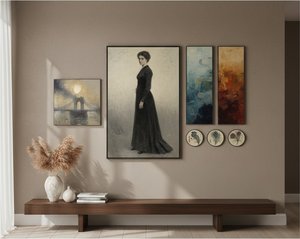
Prozkoumejte 25 ikonických děl Jamese Abbotta McNeilla Whistlera! Obrazy Nocturnes, portréty a estetismus. Inspirace pro interiér s uměleckými reprodukcemi nejvyšší kvality na Most-Famous-Paintings.com. Objevte celou kolekci online.
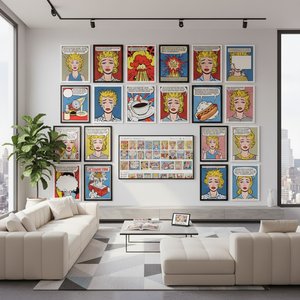
Prozkoumejte 25 ikonických děl Roye Lichtensteina – průkopníka pop artu. Obrazy s komiksovými motivy, výrazné barvy a unikátní technika ben-day dots. Najděte inspiraci pro váš interiér a kvalitní reprodukce na Most-Famous-Paintings.cz! Prozkoumejte celou kolekci online.
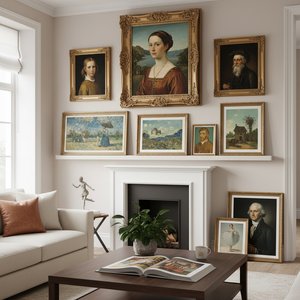
Objevte 25 ikonických děl Národní galerie umění ve Washingtonu! Prozkoumejte příběhy Cézanna, Matisse a Picassa. Inspirace pro váš interiér s reprodukcemi obrazů nejvyšší kvality na Most-Famous-Paintings.com.


Buďte na tahu s nejnovějšími novinkami ze světa umění, exkluzivními nabídkami a inspirativními nápady na dekoraci.
Sdělte nám více o svém projektu a naši odborníci na umění vám připraví 3 personalizované návrhy uměleckých děl.
Nechť pro vás vybereme 3 možnosti – zdarma!


 Náhled
 Sdílet
 Sdílet
 Podrobnosti o díle

 Stáhnout
 Podobné položky
 Rentgenové snímky
 Slideshow


 Zobrazit více







 Skleněná varianta je dostupná pouze u rozměrů menších než 110 cm


