x

Ručně malovaná olejná barva na plátně ve vašem zvoleném rozměru i s rámem, vyrobená našimi umělci na zakázku. ( Koupit tisk Koupit obrázek)





























Vyberte si z našich přednastavených velikostí, které odpovídají původním proporcím díla.

Můžete zadat vlastní rozměry pro konkrétní rám nebo prostor. Pokud se vámi vybraná velikost neshoduje s proporcemi původního obrazu, dílo buď ořízneme, nebo jej doplníme ručně malovanými prvky. Před zahájením výroby vám bude zaslán digitální náhled ke schválení.
Upozorňujeme, že náhled na obrazovce neodpovídá skutečnému ořezu ani rozšíření. Pouze digitální náhled přesně zobrazí finální kompozici.
Ačkoliv je možné zvolit vlastní velikost, pro zachování původních proporcí doporučujeme vybrat rozměr z předdefinovaného seznamu.
Celosvětová doprava () za 3–4 týdny namísto standardních 5 týdnů. (20 srpen). Bez kompromisů v kvalitě.


Pozdělá Dimas
Rozměry reprodukce
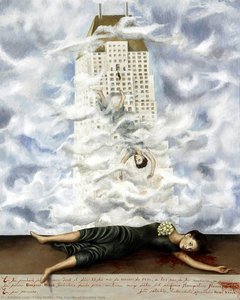
Frida Kahlo’s “The Deceased Dimas,” painted circa 1953, is a hauntingly beautiful tableau that encapsulates the artist's signature preoccupation with themes of vulnerability, loss, and the enduring power of memory. This enigmatic artwork depicts a young child lying supine on verdant grass, enveloped by an abundance of vibrant flowers—primarily roses and lilies—creating a visual juxtaposition between life’s beauty and inevitable decay.
Kahlo's distinctive Surrealist style is immediately apparent. The composition eschews conventional realism, opting instead for a dreamlike atmosphere where the child’s serene posture contrasts sharply with the implied sorrow surrounding them. The meticulous rendering of the flowers—their petals delicately brushed onto the canvas—demonstrates Kahlo’s mastery of technique and her unwavering commitment to capturing subtle nuances of color and texture.
Historically, “The Deceased Dimas” emerged during a period of profound personal upheaval for Kahlo. Following a debilitating bus accident in 1951 that shattered her pelvis and left her enduring physical pain, she retreated into introspection and channeled her emotional turmoil into her art. The painting serves as a poignant reflection on mortality and grief—a contemplation of the fragility of life and the indelible imprint of sorrow upon the human spirit.
Symbolically, the child represents innocence and purity, qualities Kahlo herself fiercely defended throughout her life. The crown adorning their head signifies royalty or dignity, perhaps hinting at a yearning for transcendence amidst suffering. Simultaneously, the ribbon around the neck symbolizes remembrance—a solemn tribute to those departed. The flowers themselves are laden with significance; roses often represent love and beauty, while lilies symbolize purity and mourning – elements interwoven to convey a complex emotional landscape.
More than just an aesthetically pleasing image, “The Deceased Dimas” resonates deeply with viewers due to its unflinching portrayal of human emotion. Kahlo’s masterful use of color—primarily muted greens and pinks—creates a tranquil yet melancholic mood, inviting contemplation on themes of loss, resilience, and the enduring beauty found within sorrow.


1907 - 1954 , Mexiko
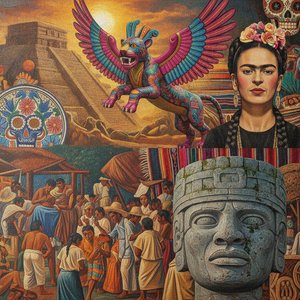
Explore the profound legacy of Mexican art history, from the monumental murals of 'The Big Three' to the intimate surrealism of Frida Kahlo. A scholarly guide for art lovers seeking deep historical context and the beauty of masterwork reproductions.

Explore the profound depths of Surrealism. From Dalí’s dreamscapes to Magritte’s enigmas, master the history of the subconscious mind through our expert art guide and discover museum-quality oil reproductions of the world's most iconic surrealist masterpieces.


Buďte na tahu s nejnovějšími novinkami ze světa umění, exkluzivními nabídkami a inspirativními nápady na dekoraci.
Sdělte nám více o svém projektu a naši odborníci na umění vám připraví 3 personalizované návrhy uměleckých děl.
Nechť pro vás vybereme 3 možnosti – zdarma!


 Náhled
 Sdílet
 Sdílet
 Podrobnosti o díle

 Stáhnout
 Podobné položky
 Rentgenové snímky
 Slideshow
 Zobrazit více







 Skleněná varianta je dostupná pouze u rozměrů menších než 110 cm